


And no - it's not an EV campervan. And yes, it's not a wedding photography blog!
You all know by now that I have a self built campervan; and I very occasionally post blogs about it as well as the odd TikTok / IG / YouTube video etc.
When I say "all electric campervan " I mean that I don't use gas for cooking, and all electric campervans are becoming increasingly popular as gas is becoming harder to find in the UK. The batteries and other electric bits are becoming cheaper to buy. So my campervan is an All Electric Campervan.
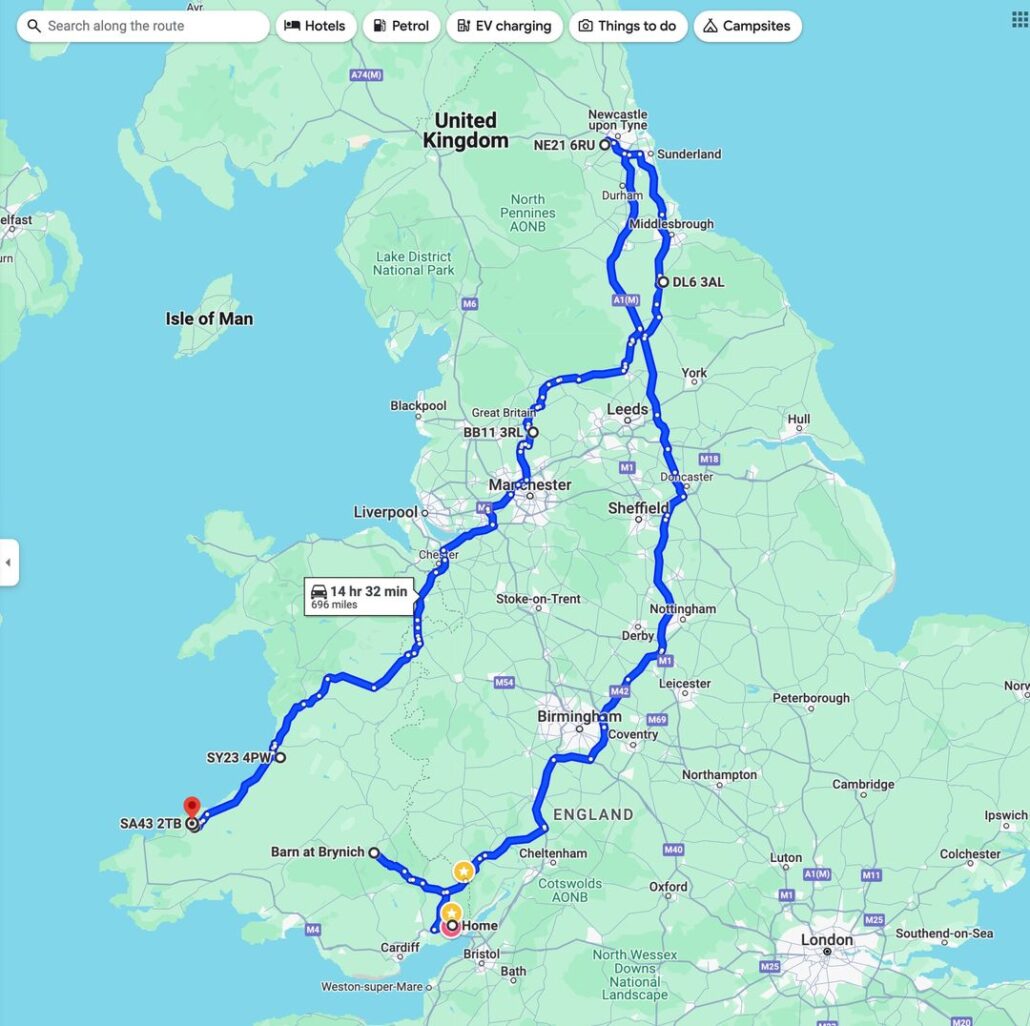
I recently returned from an eight-day, seven-night UK tour around England and Wales. During the trip, I did a pre-wedding shoot, a meeting, and a wedding in various parts of the country, as well as a few days of chill time.
My van has no electric hook-up for outside power - so everything is generated internally by solar panels and by engine charging. That means all the lights, Wi-Fi, kettle, fridge, USB for charging batteries/laptops, the installed CCTV system, fans, etc.
I use normal 230v three-pin plug appliances such as an omelette maker, toasty maker, air fryer, and kettle. I also use electric pans from Hytric—Amazon link here—but I'm not affiliated and get nothing if you buy them!
How do I power My Electrical Needs In my All Electric Campervan?
I'm NOT going to discuss in detail cable sizes, voltage drop, cable lengths etc. Each van is totally different in build and those things will affect your build. Suffice to say you should do some research on this before buying and installing your cable.
I'm also not going to discuss fuse sizes - again each system should use appropriate fuses. Remember the fuse is to protect the cable, not the appliance. So, for example, if you have a cable rated at 50a then you should have a fuse rated for less than 50a - the fuse blows before the cable sets on fire.
Bus Bars
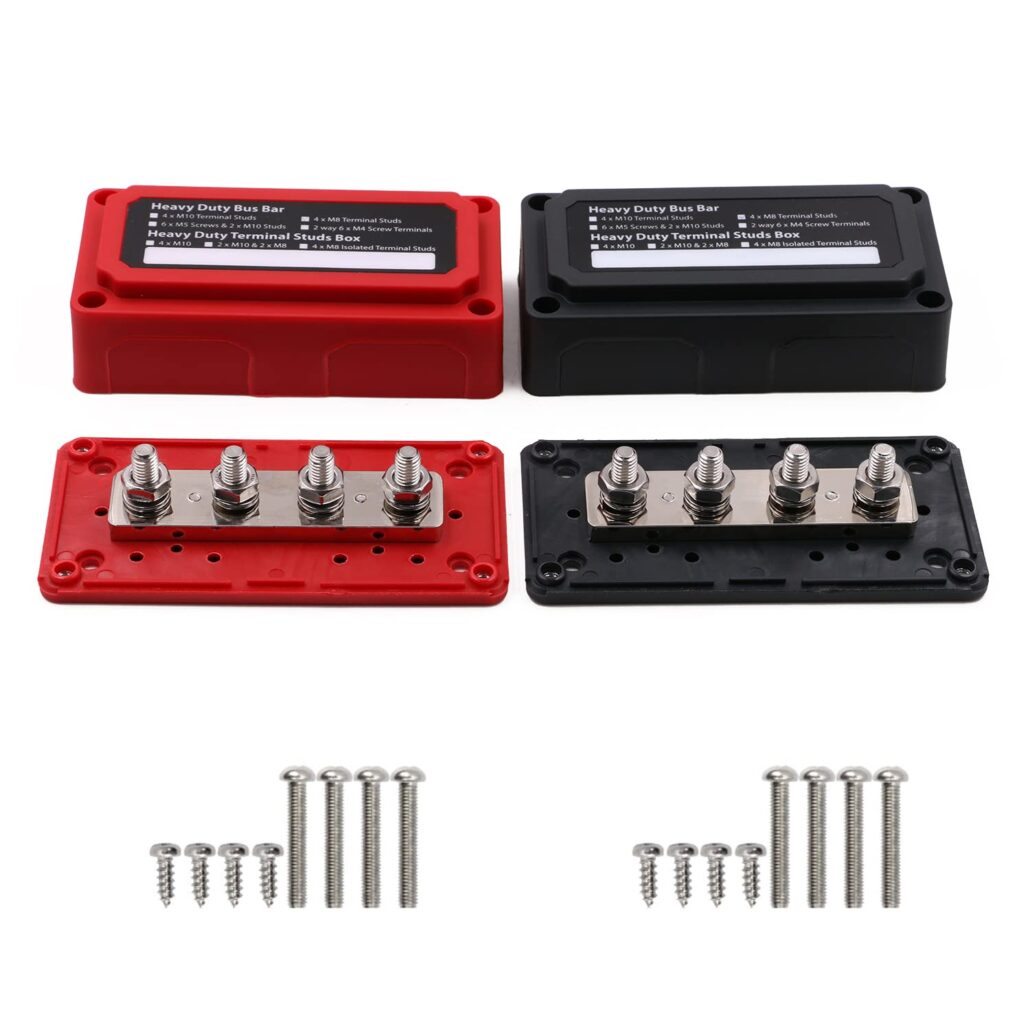
These are simply connector blocks for the various inputs/outputs in your system. They save having to connect everything to the leisure battery directly. The ones I use are 300a.
Leisure Battery
This is different from the van's starter battery - it's got more power and gives out that power for much, much longer. A starter battery is designed to give more power over a very short time frame.
Before we start, none of the links on this page are affiliated. I get nothing from the company if you buy from them. I just use them because they work; and work really well.
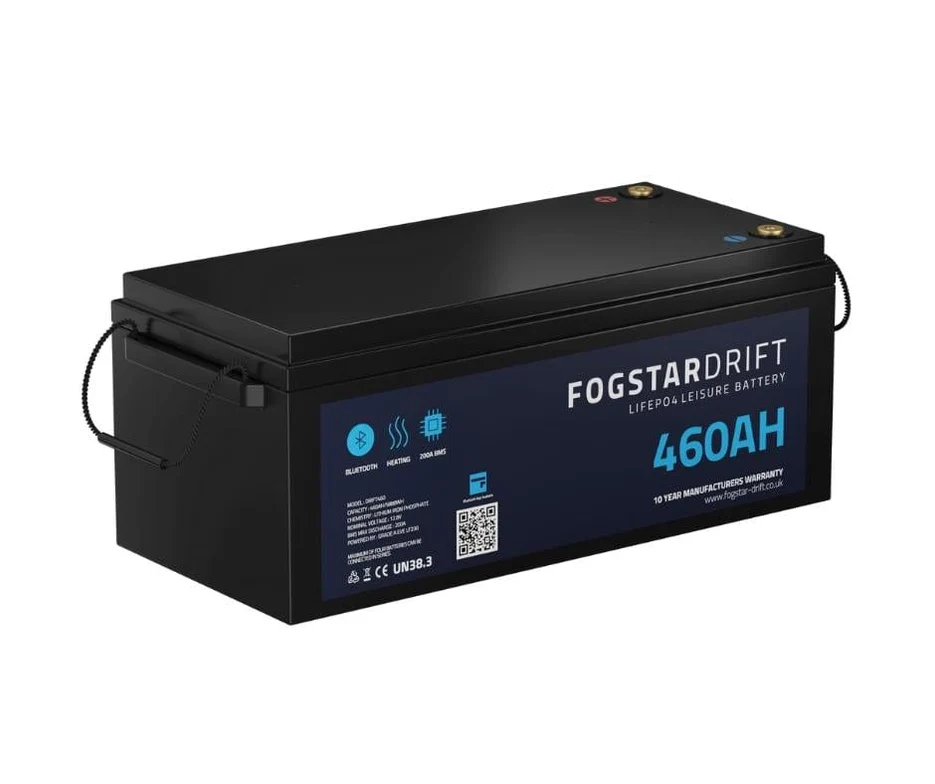
I have a Fogstardrift 460ah LiPo4 (safe chemistry lithium) battery that does all my needs. That is connected to a couple of things that give me the required power:
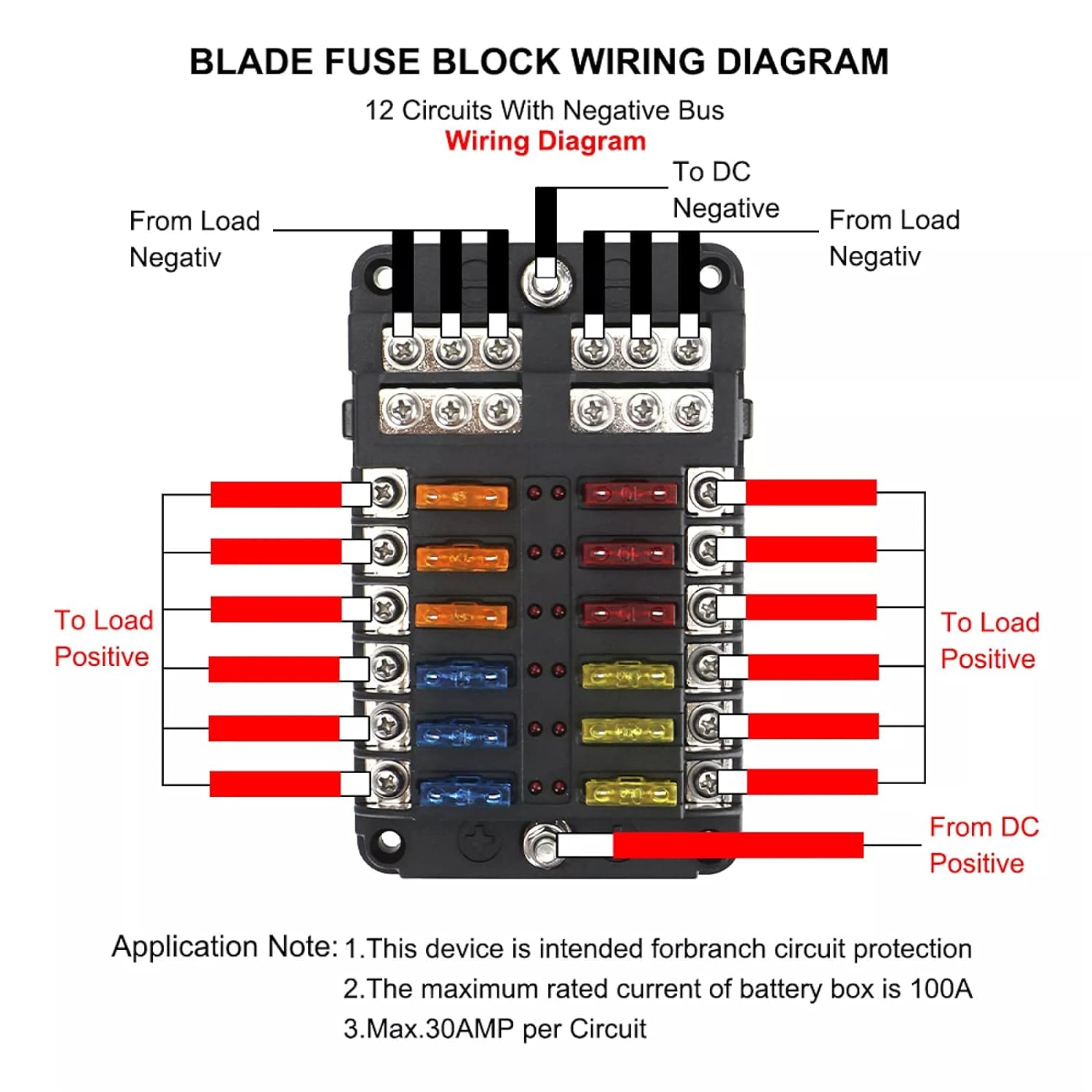
12v fuse box for all the 12v things I use - lights, WiFi, fridge, USB ports
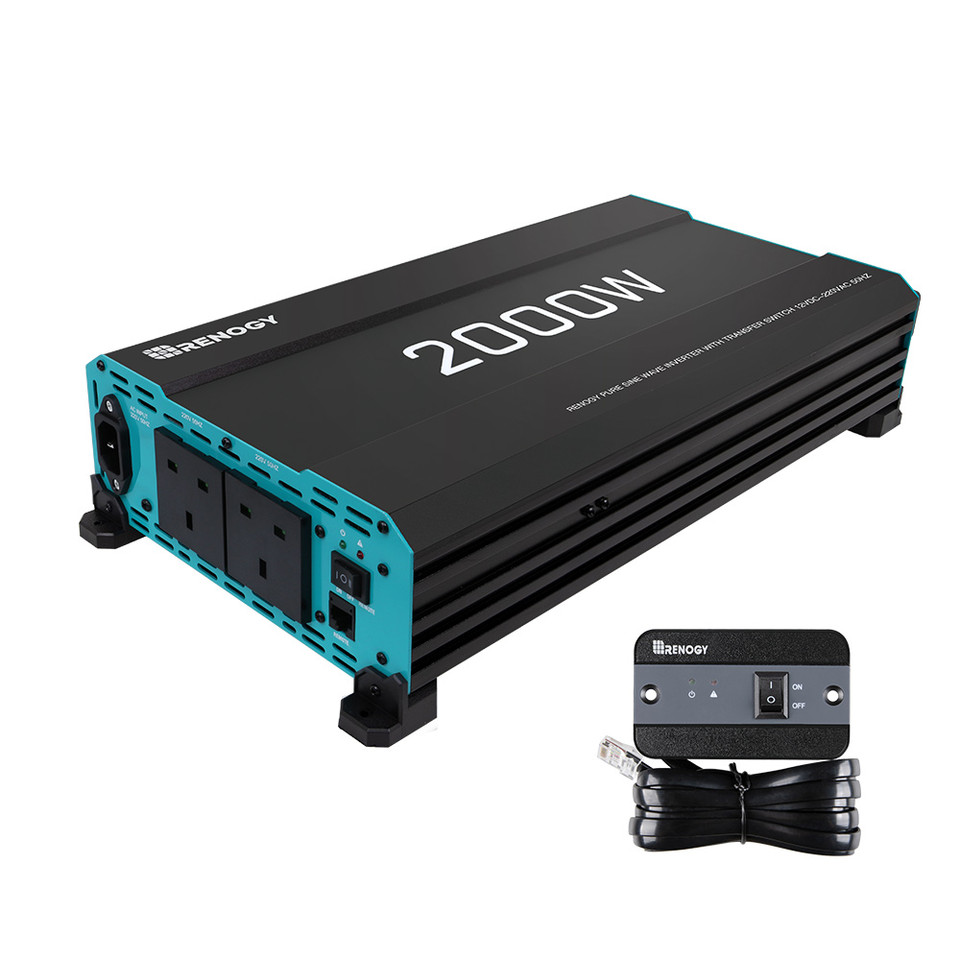
I have a 2000w Renogy Inverter that converts the 12v into 230v, so I can use standard 3-pin plugs for kettles, cooking pans, etc.
Solar Panel
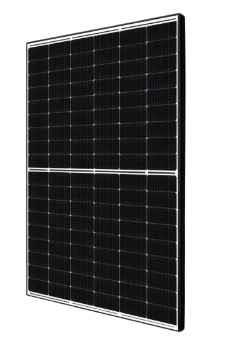
I have a 405w Solar panel combined with a Victron 30a MPPT controller that can produce around 450w at peak efficiency. On a good sunny day, that will charge my battery at around 25a, give or take.
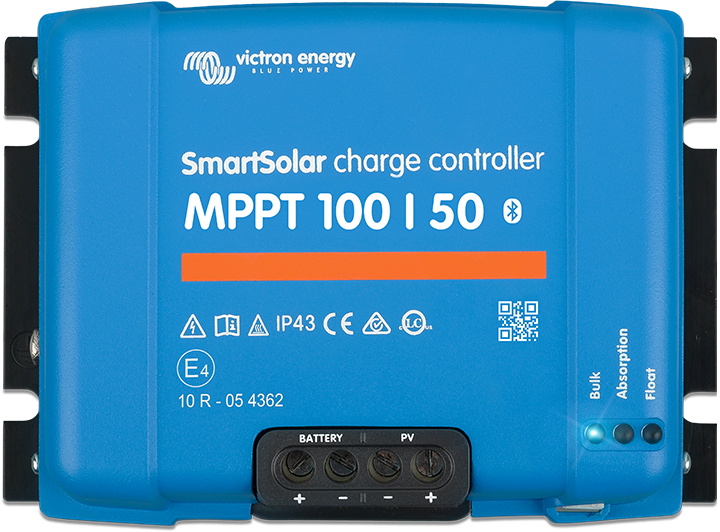
The MPPT (maximum power point tracking) converts the energy from the solar panel into 12v energy (or you can buy 24v or 48v versions) and outputs it to the leisure battery via the Bus Bars.
Engine Charging
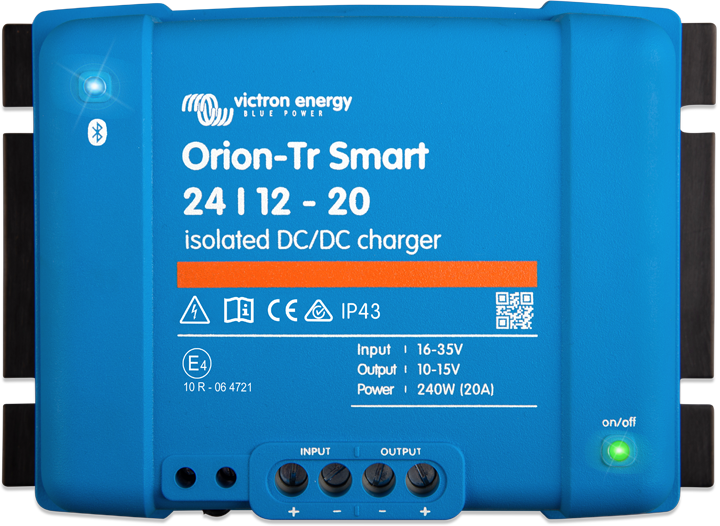
In addition to the solar panel, I can charge the Leisure battery when driving using the excess power from the van's alternator. My van has a 185amp alternator, so I can safely use about 1/3 of a third—about 60a. If you add engine charging, be careful NOT to exceed 1/3 of your alternator's maximum power.
To do this, I have two Victron 30a DCDc (Direct Current) chargers connected via the van's starter battery. One DCDc charger is permanently on, and the other is connected to an on/off switch, and I use it when I need the extra charge. This is so that I don't overuse the alternator, and only using one DCDc charger gives better (slightly) fuel consumption and saves wear and tear on the alternator.
No alternator - no electrics for the van - van battery fails to charge - van fails to start.
All Electric Campervan Overview
Two power inputs - Solar and Engine charging
One power storage - 460ah LiPo4 Lithium battery
Two power outputs - 12v and 230v

A word about cable sizes for your electric van
Included in the above diagram are positive and negative cables, fuses, and cut-off switches. Each positive cable will have a particular load rating, given in amps, and each cable will also have a fuse. The more amps the thicker the cable, the bigger the fuse. The cut-off switches are to isolate all of the power or individual parts.
Cable sizing is very important - too small, and the power going through will cause heat, and heat causes fire, and fire causes you to lose your van!
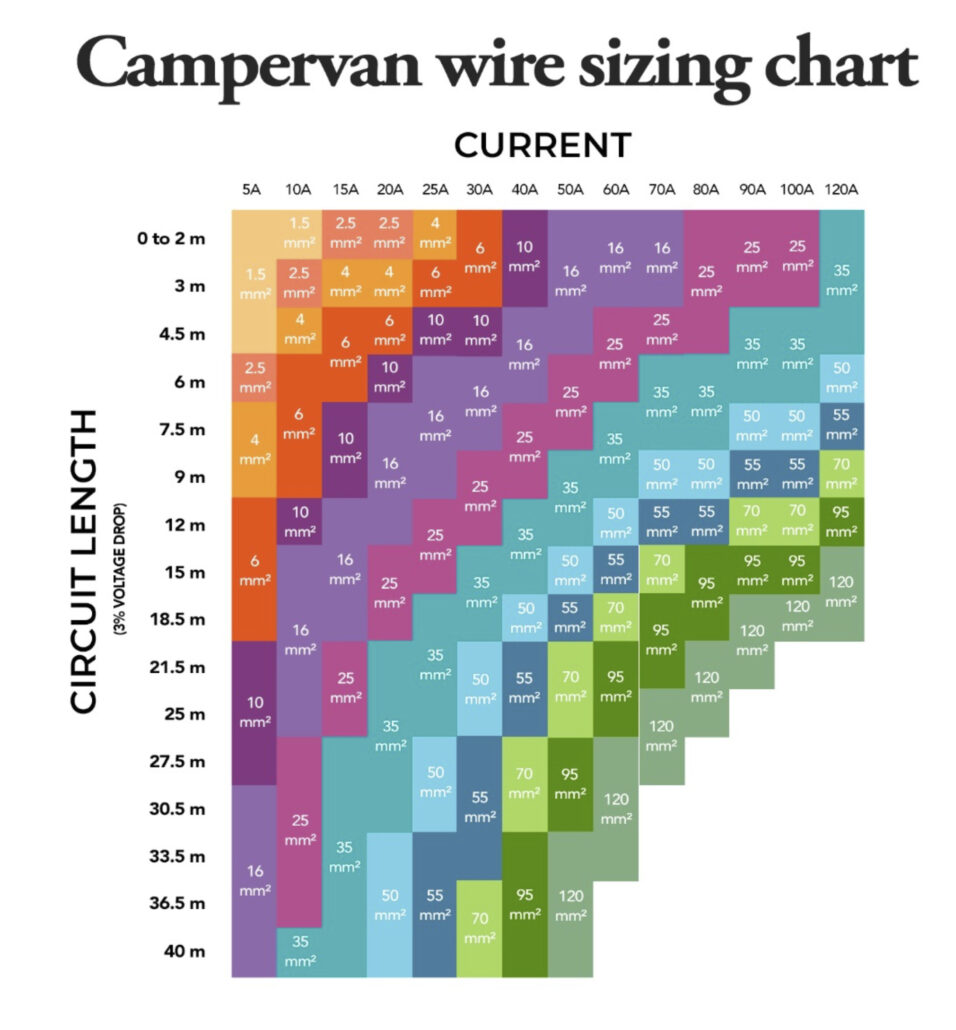
As an example if you have a unit that is giving you 10a of load and you need to run a wire 10m, you need a 6mm2 cable size. When looking at cable lengths you need to make sure you account for the total length, and building a campervan sometimes means some very long stretches of cable.


0 Comments