


Medieval reenactment photography is a fascinating genre that bridges the present and the past, breathing life into history by capturing the courage, colour, and essence of the medieval era. This niche form of photography provides visual documentation of reenactments and is crucial in preserving the cultural heritage that these events strive to represent. With the increasing popularity of medieval fairs and historical reenactments, the importance of medieval reenactment photography has never been more pronounced.
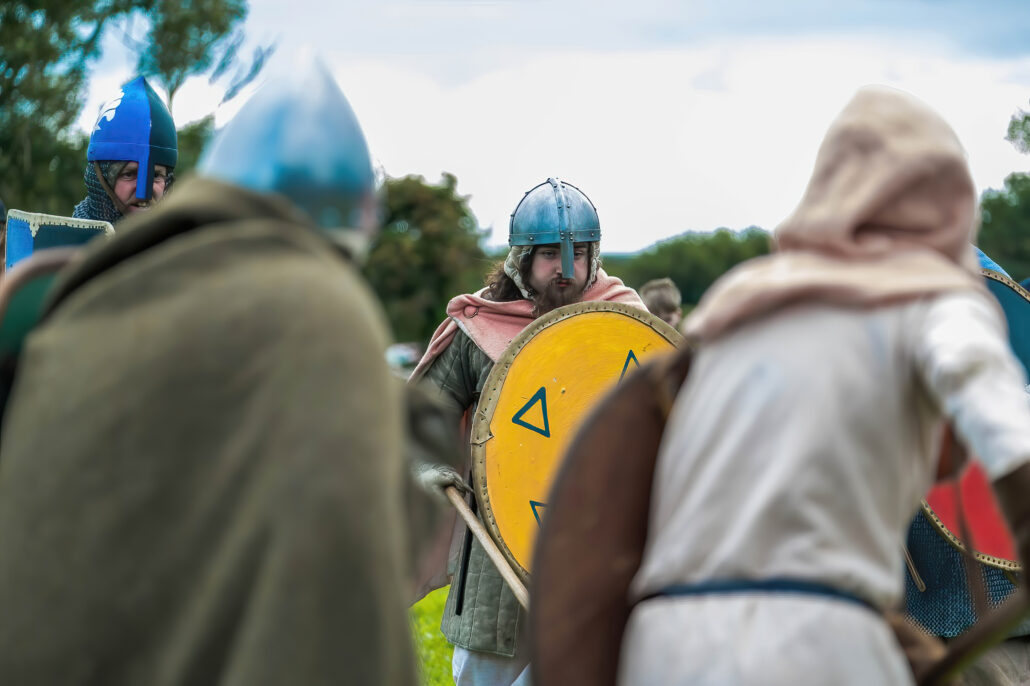
The primary goal of medieval reenactment photography is to depict the authenticity and atmosphere of medieval times through a modern lens. It is an art form that requires a deep understanding of both the era being represented and the principles of photography. The photographers are tasked with not merely taking pictures but capturing the story, the emotions, and the minute details that give the reenactment its character.
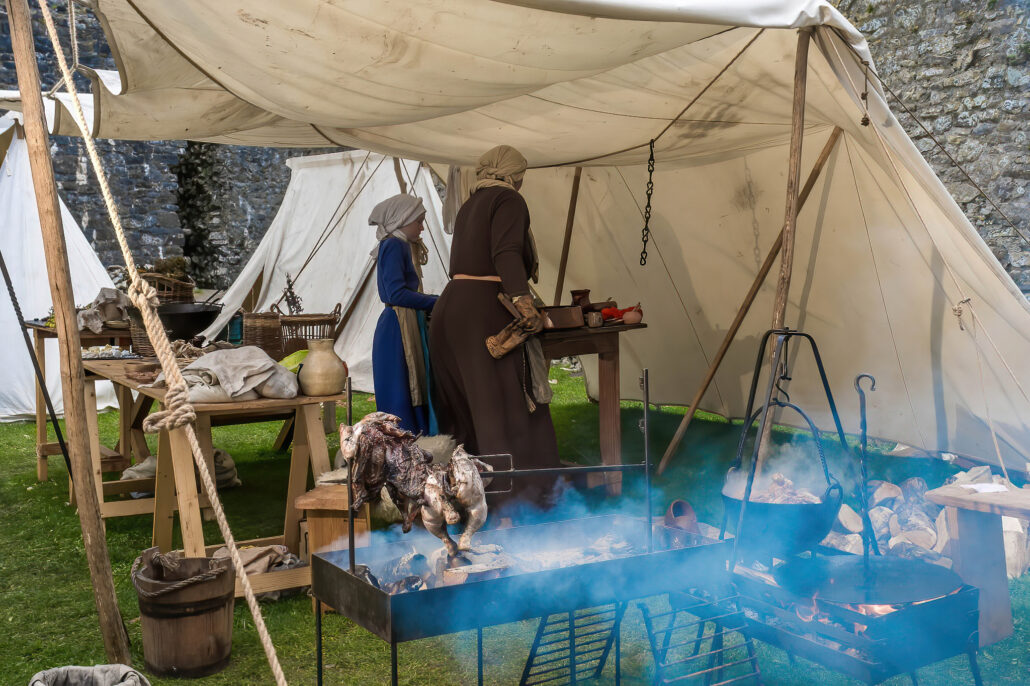
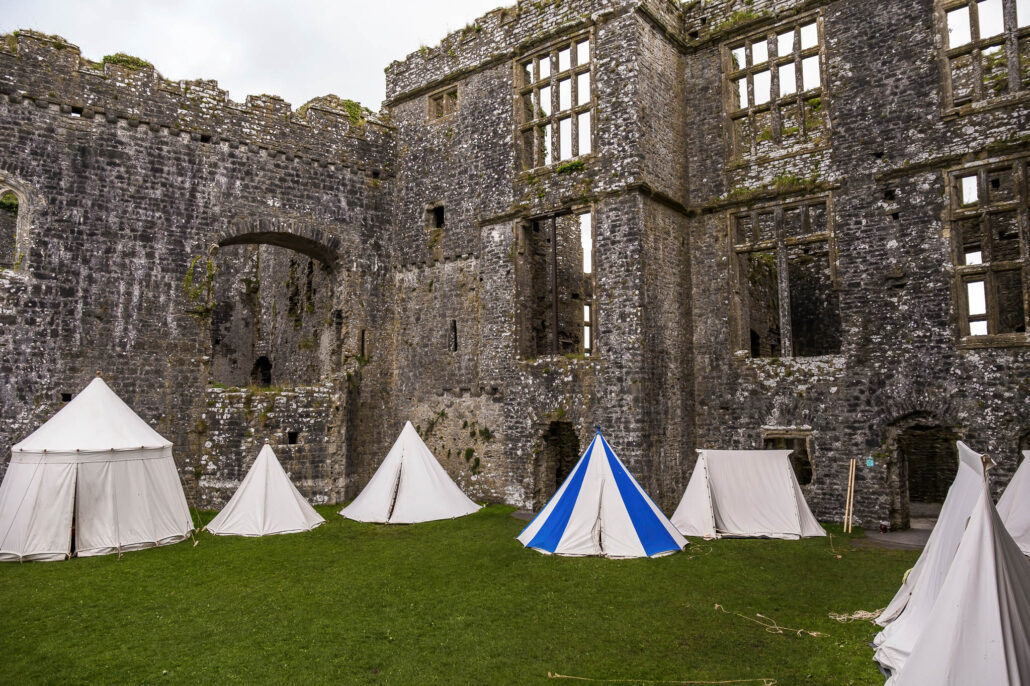
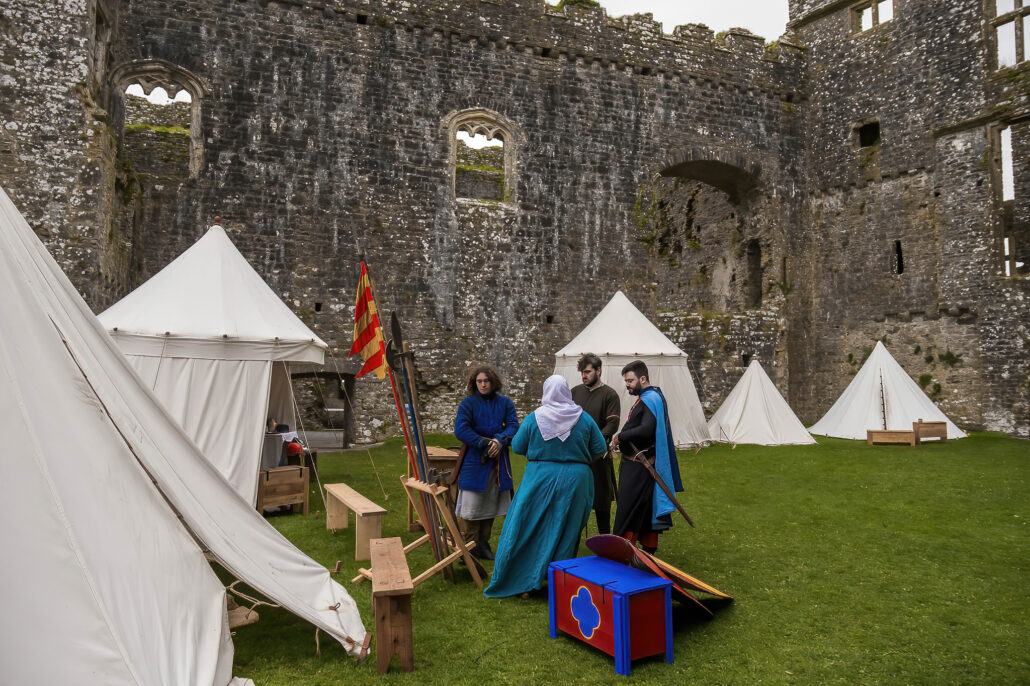
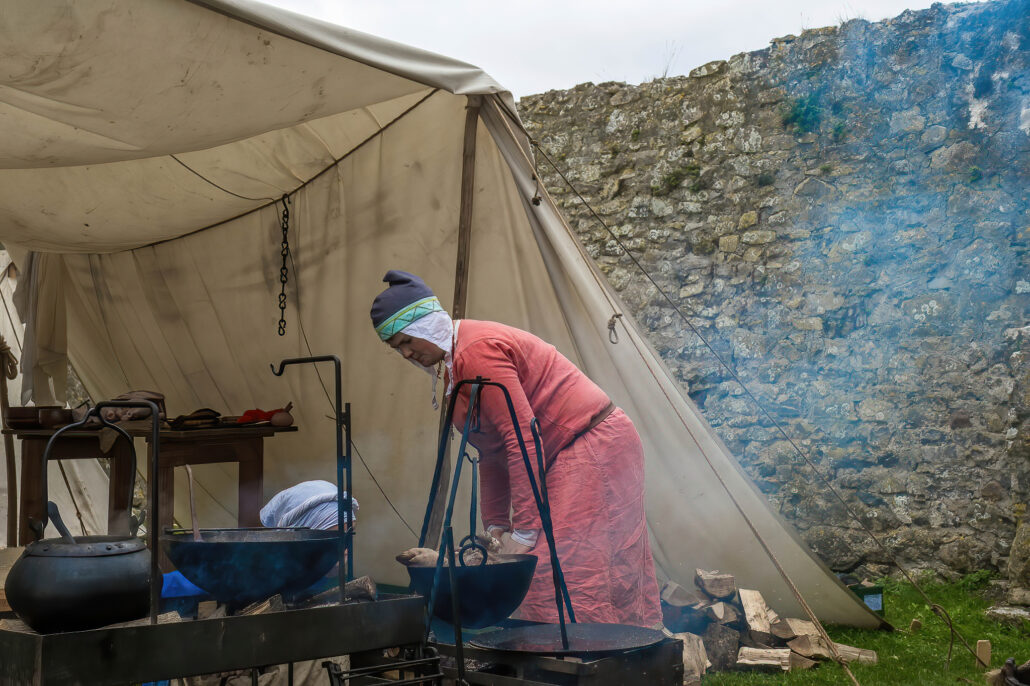
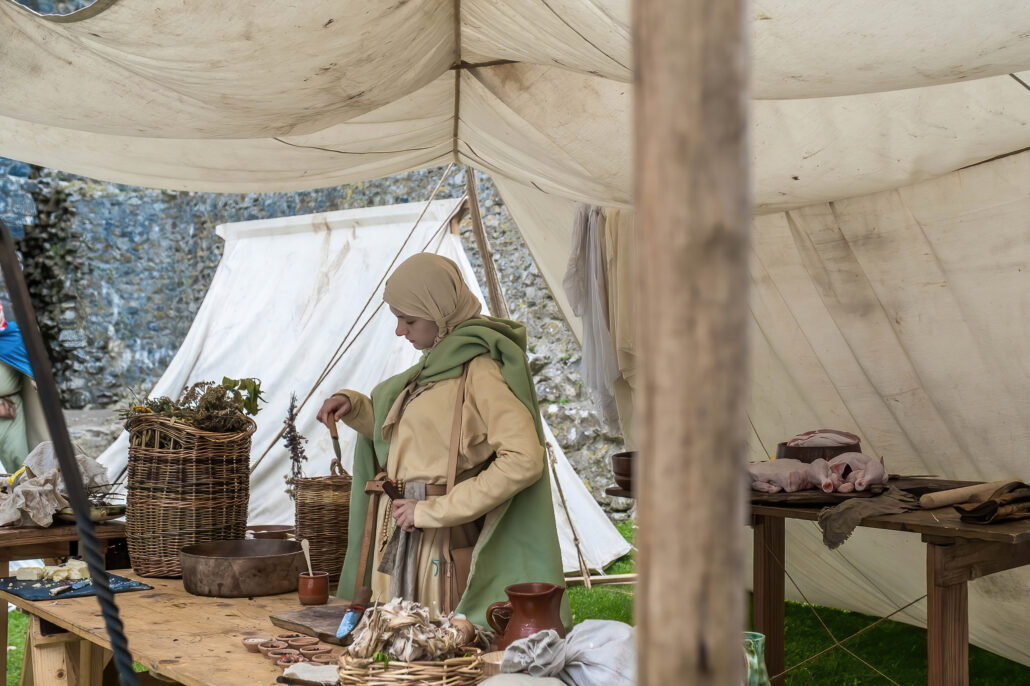
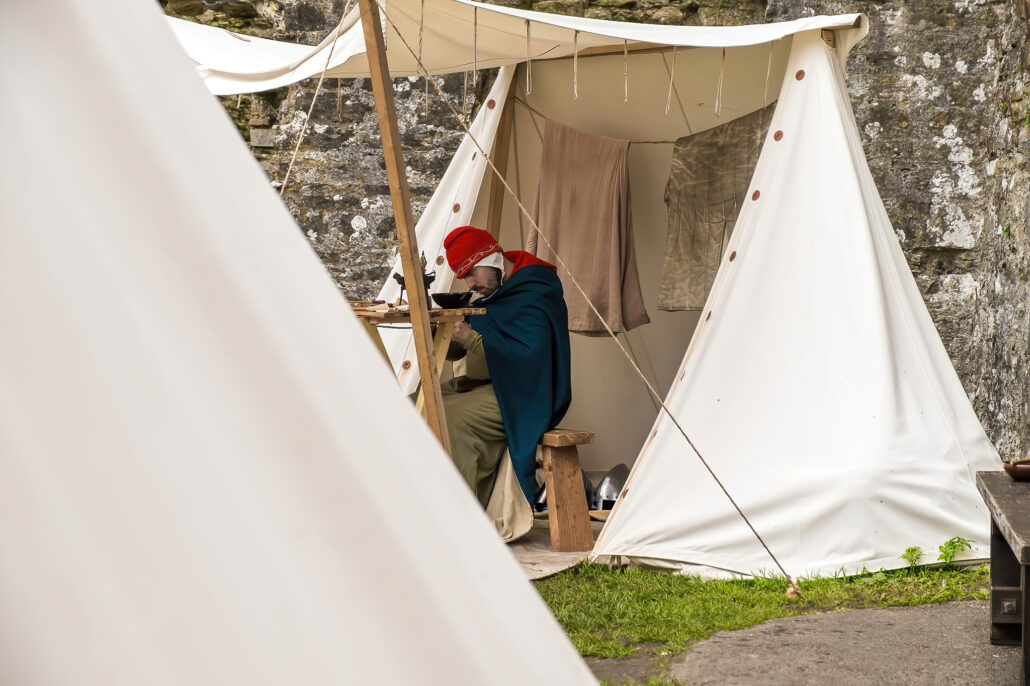
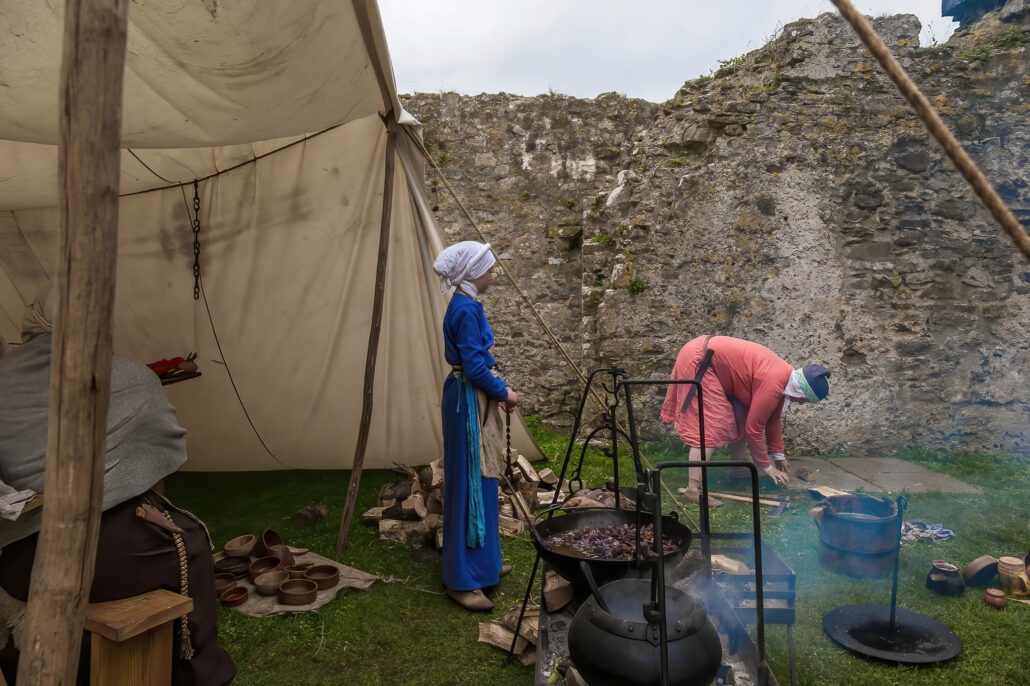
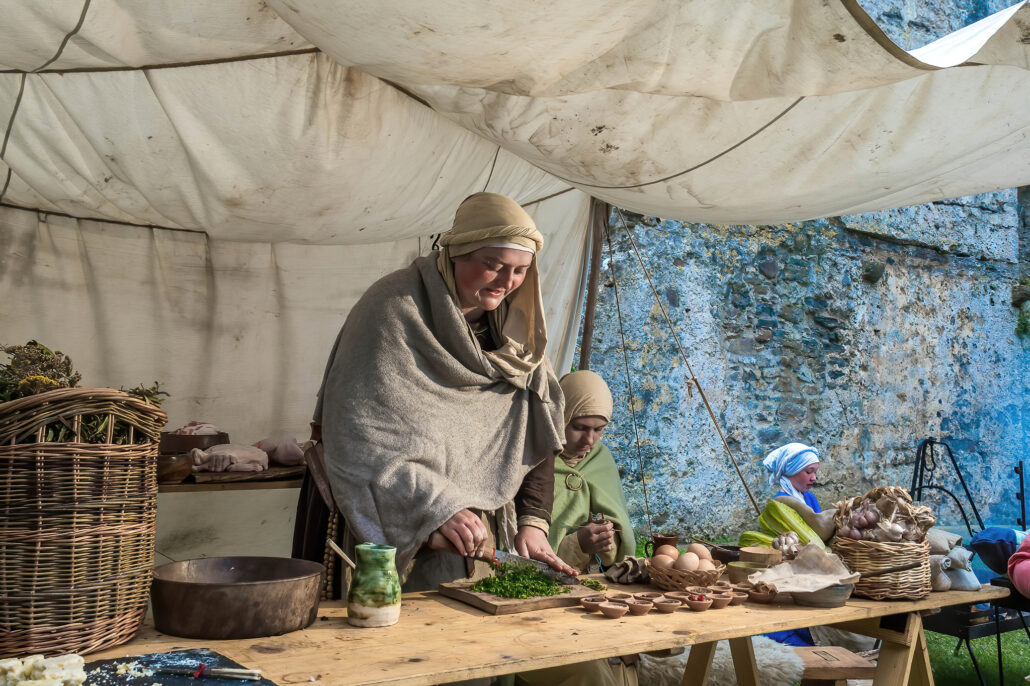
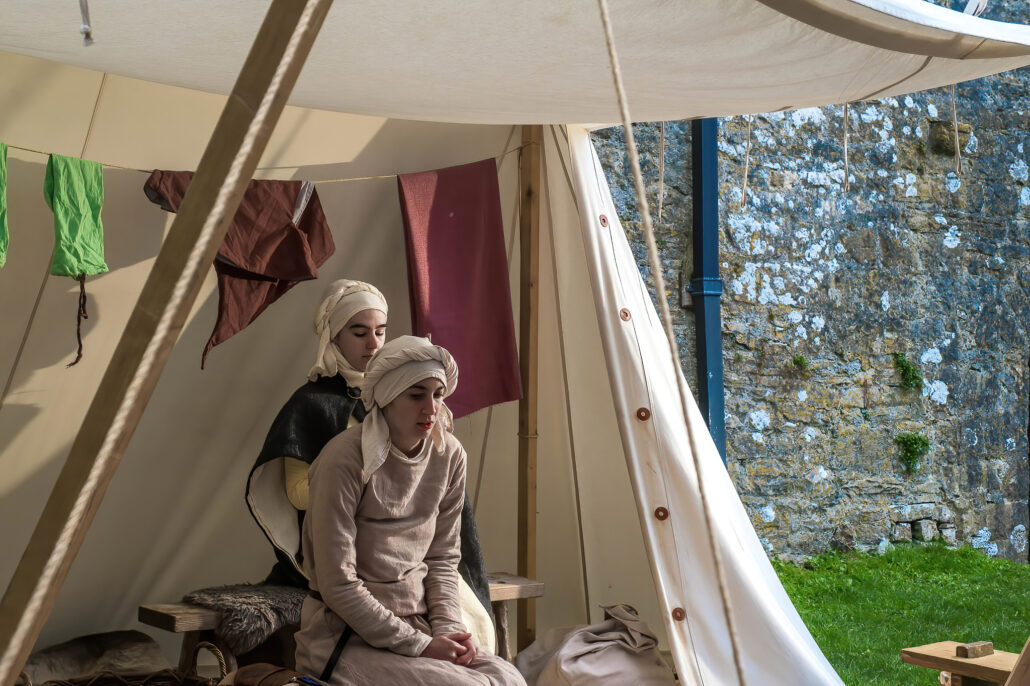
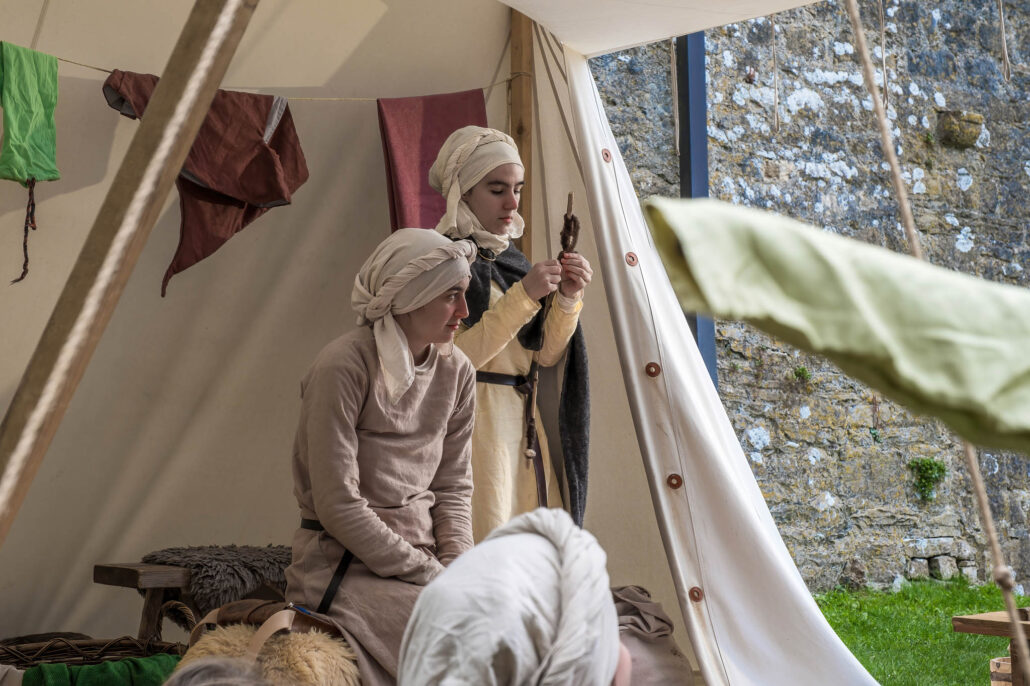
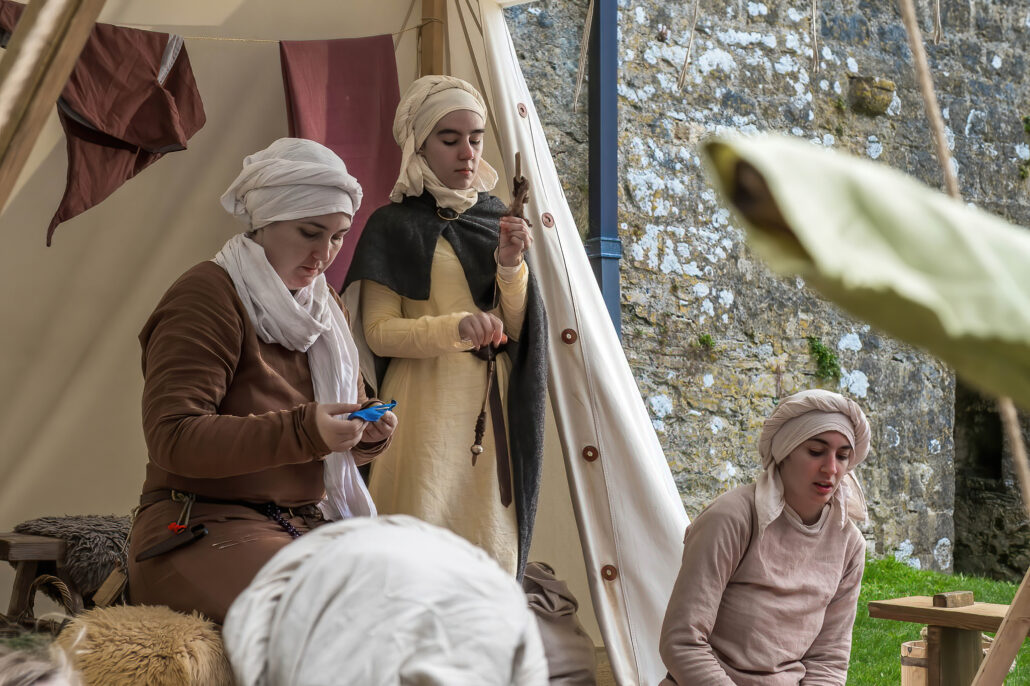
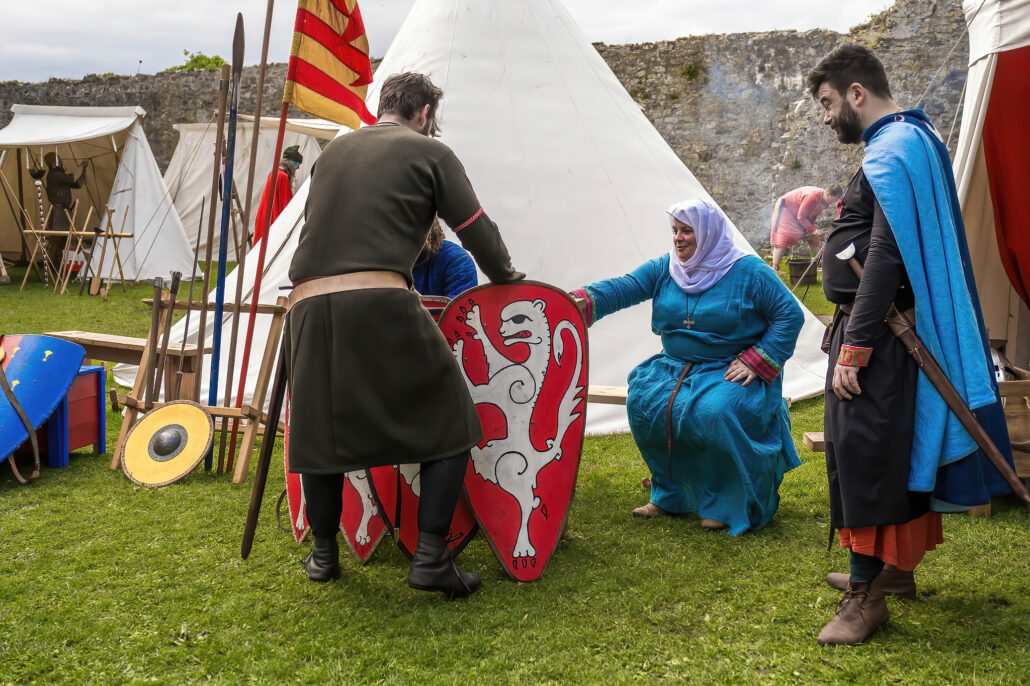
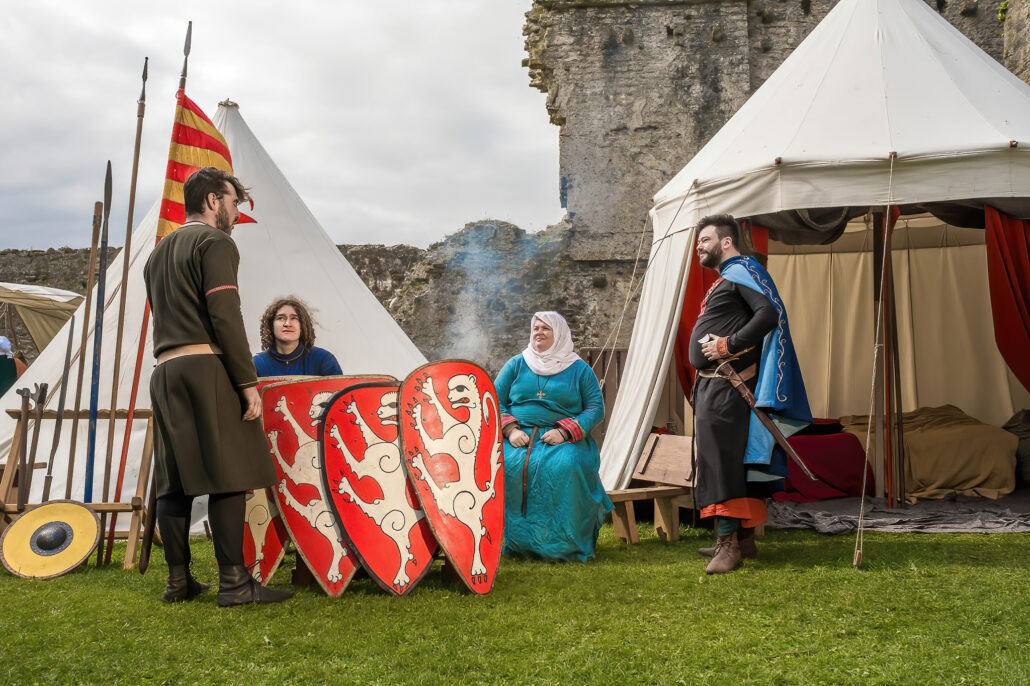
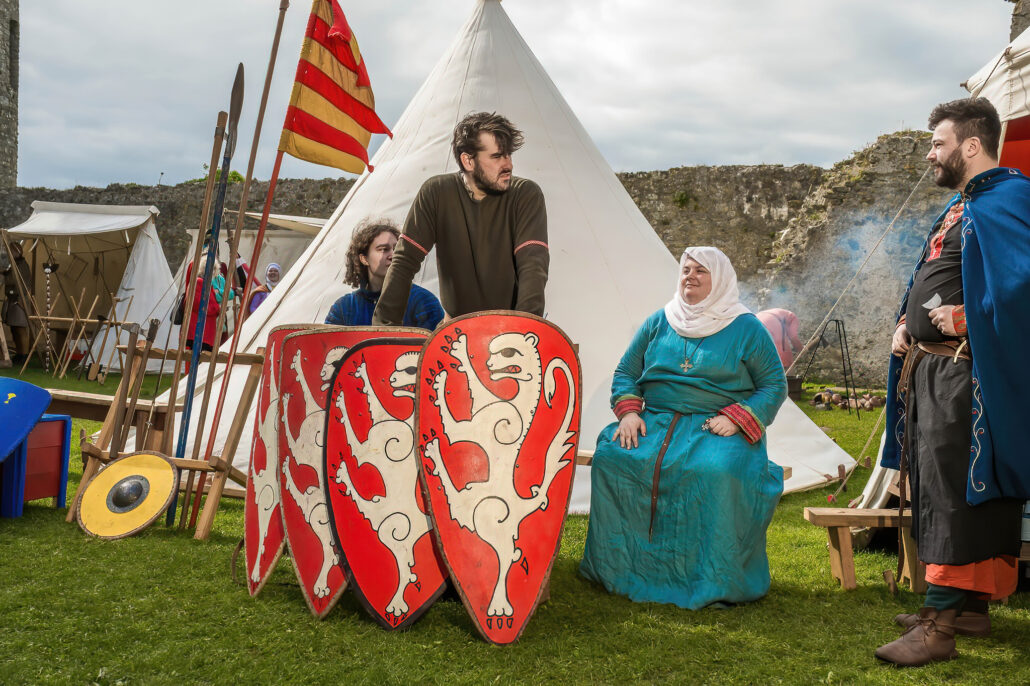
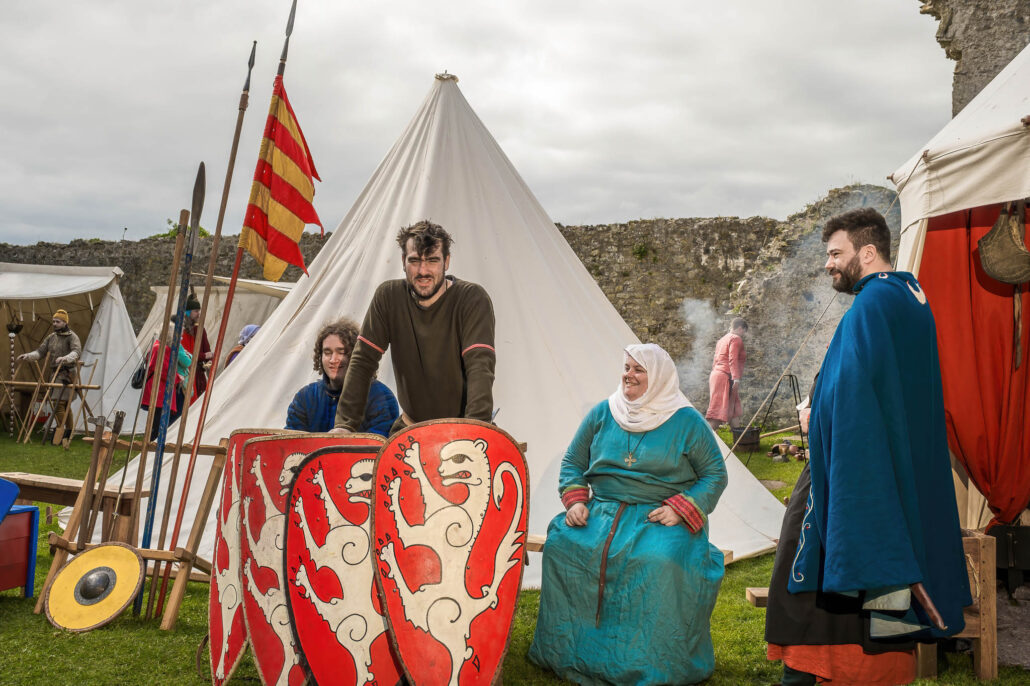
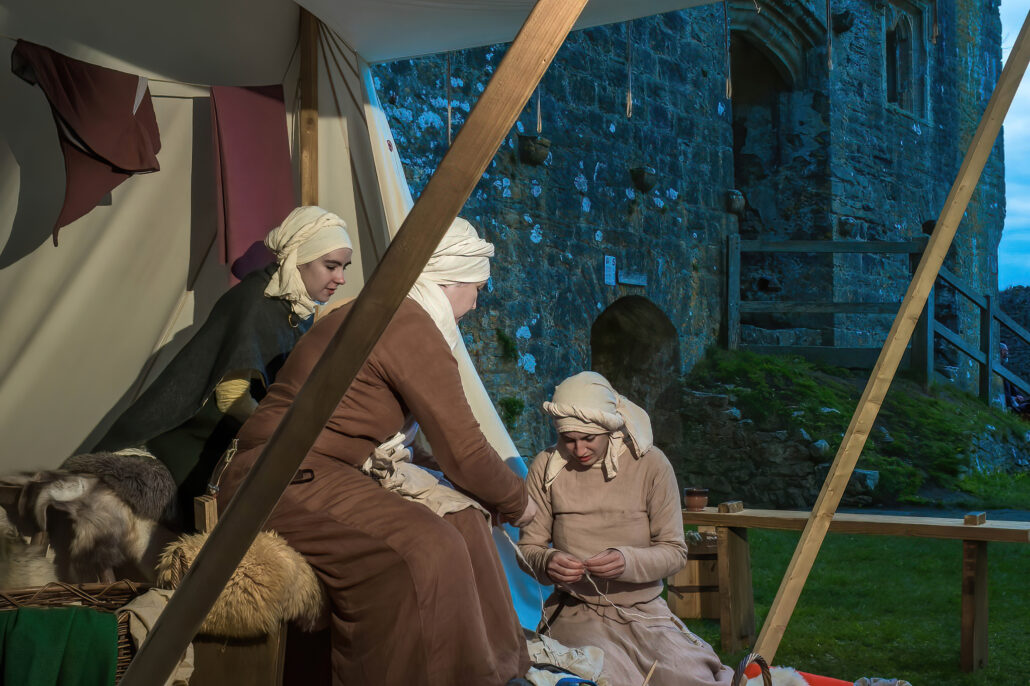
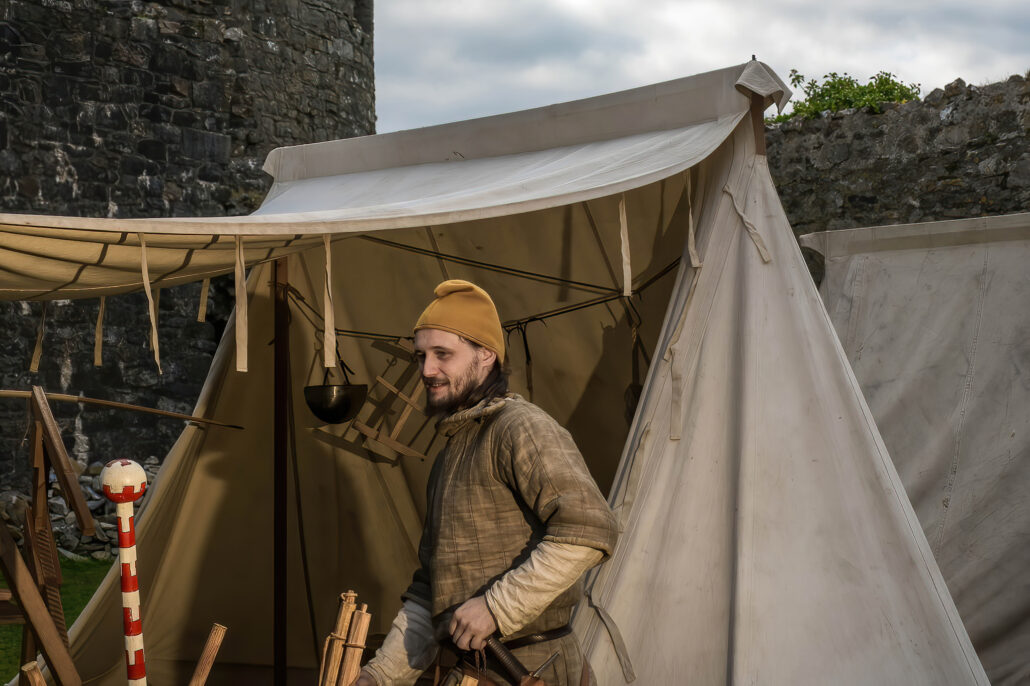
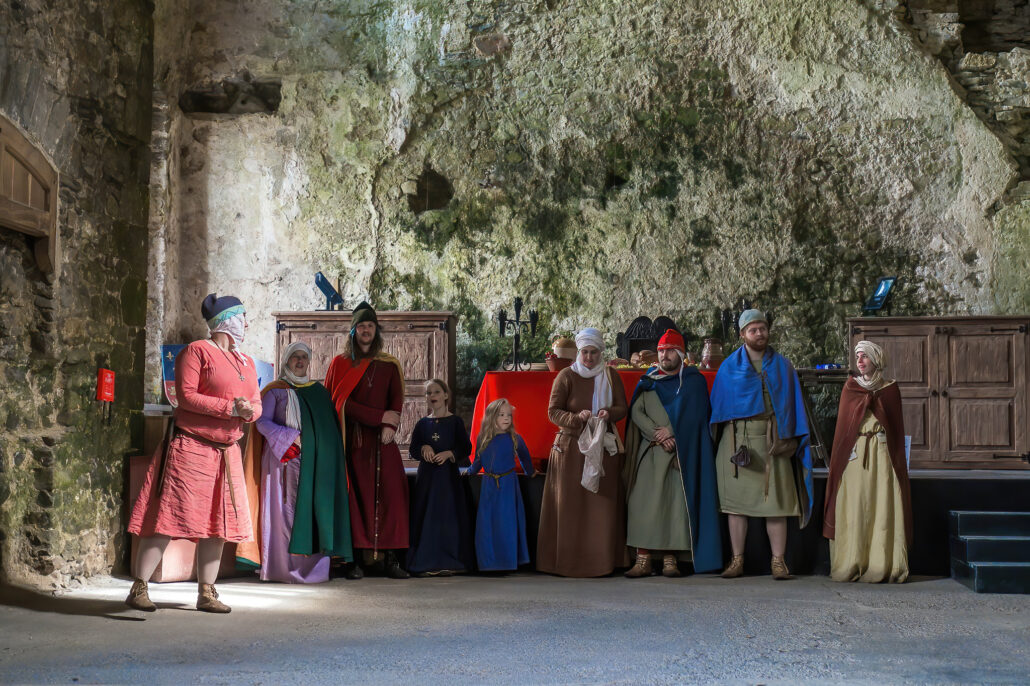
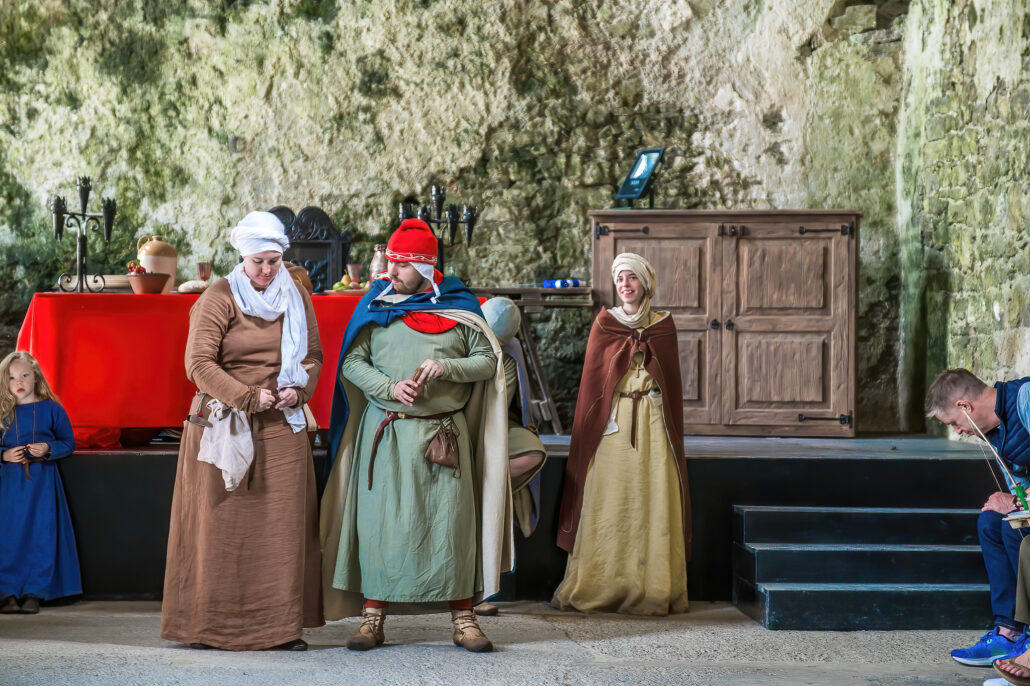
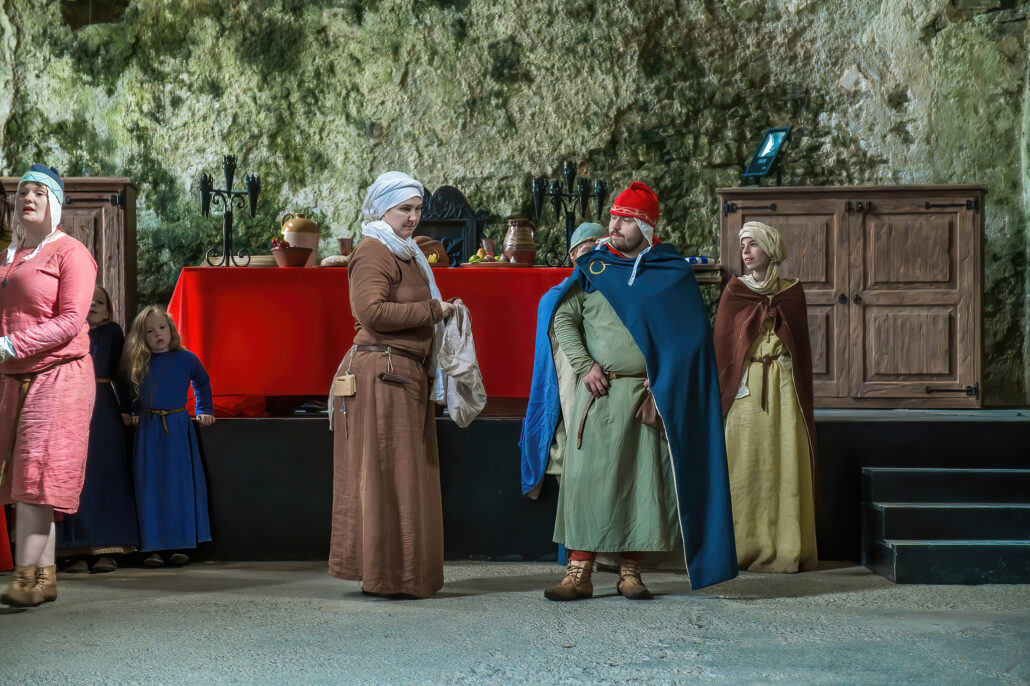
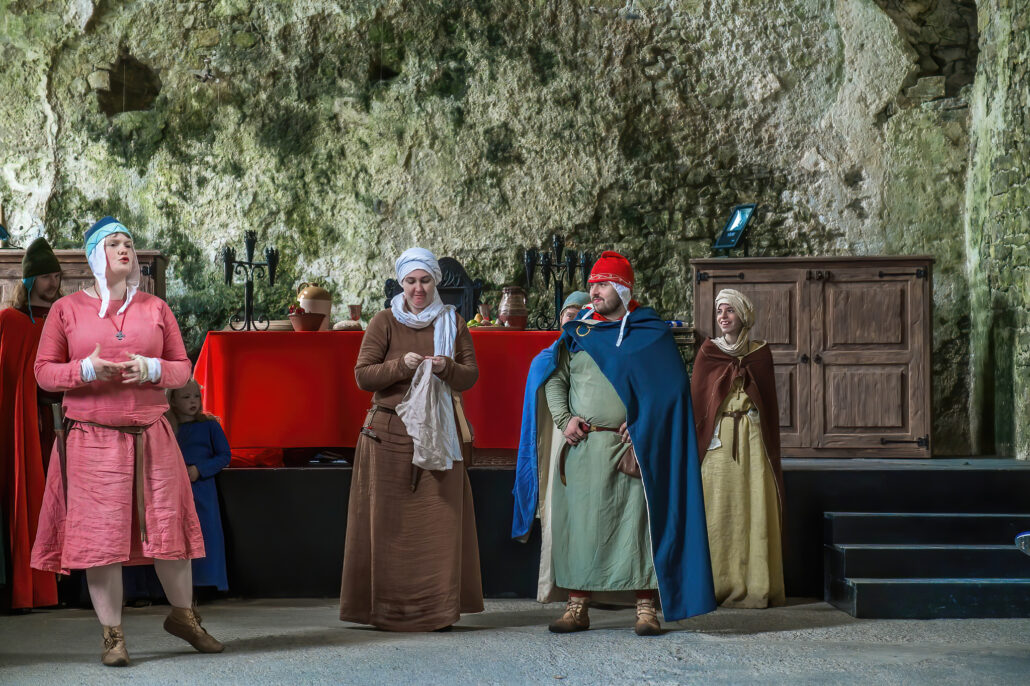
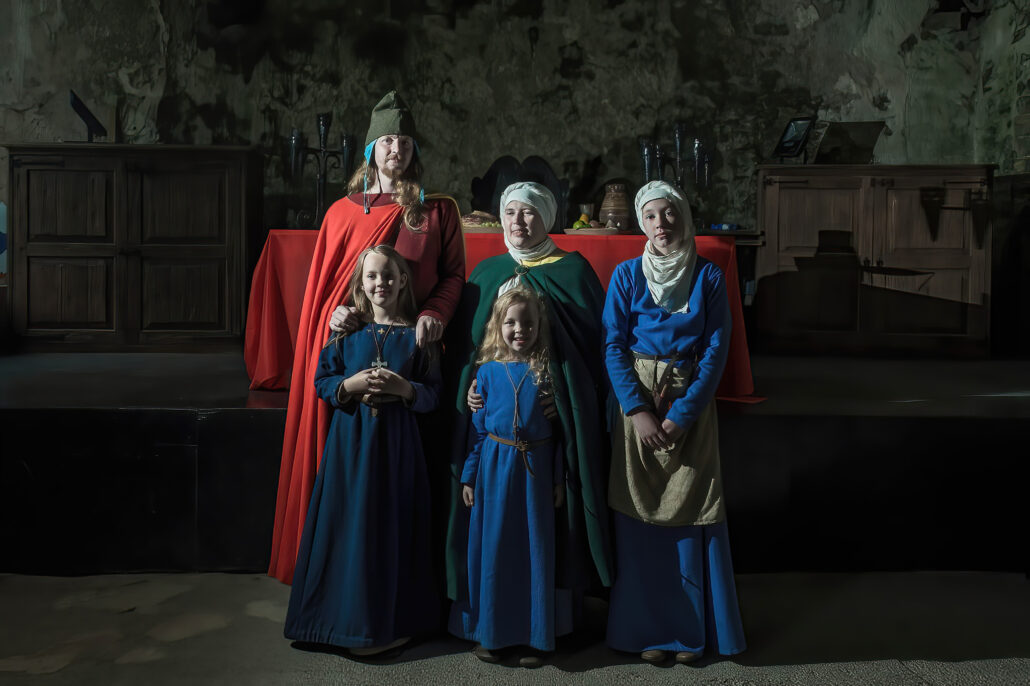
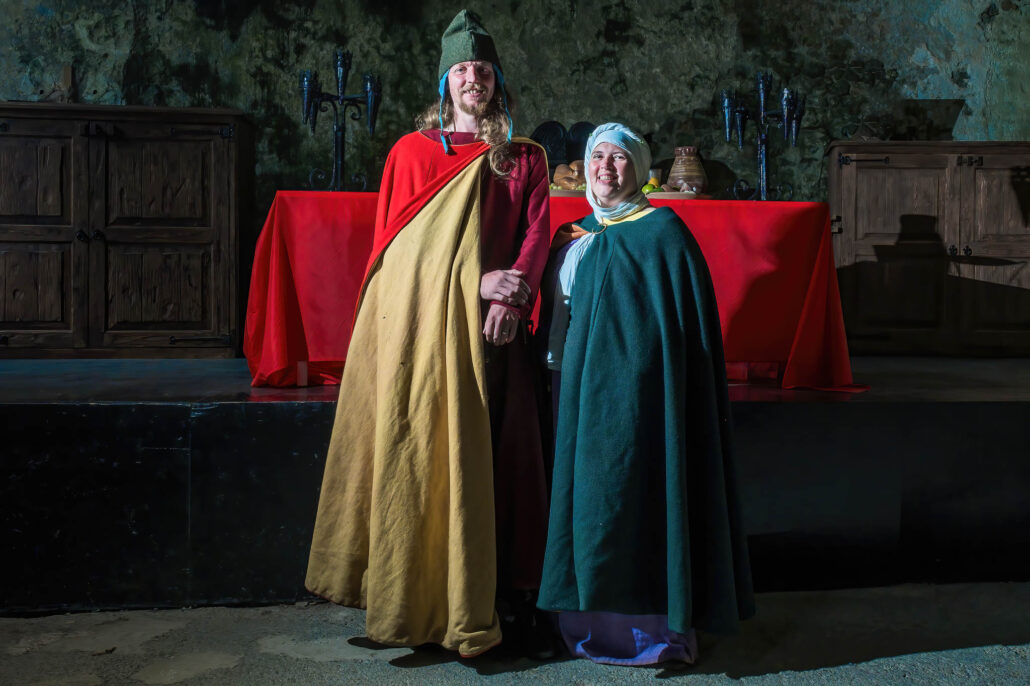
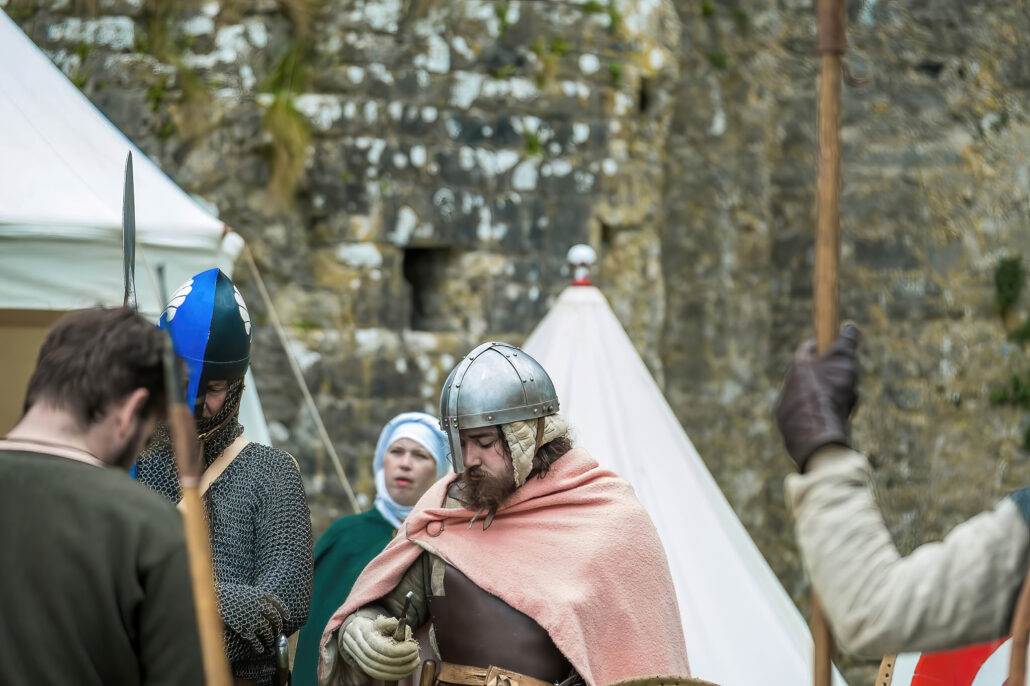
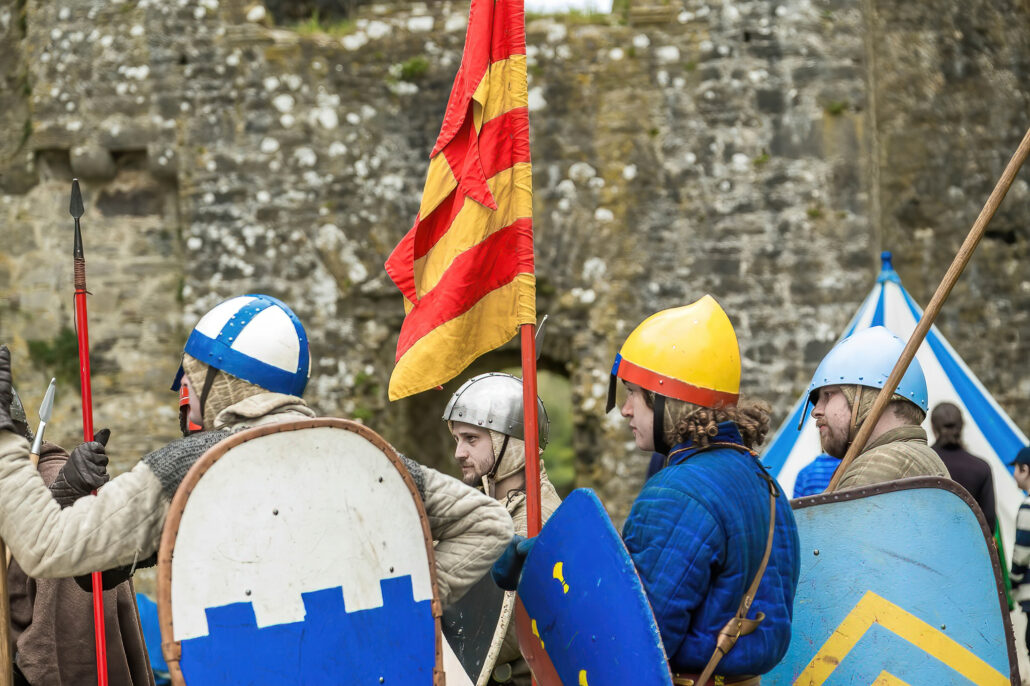
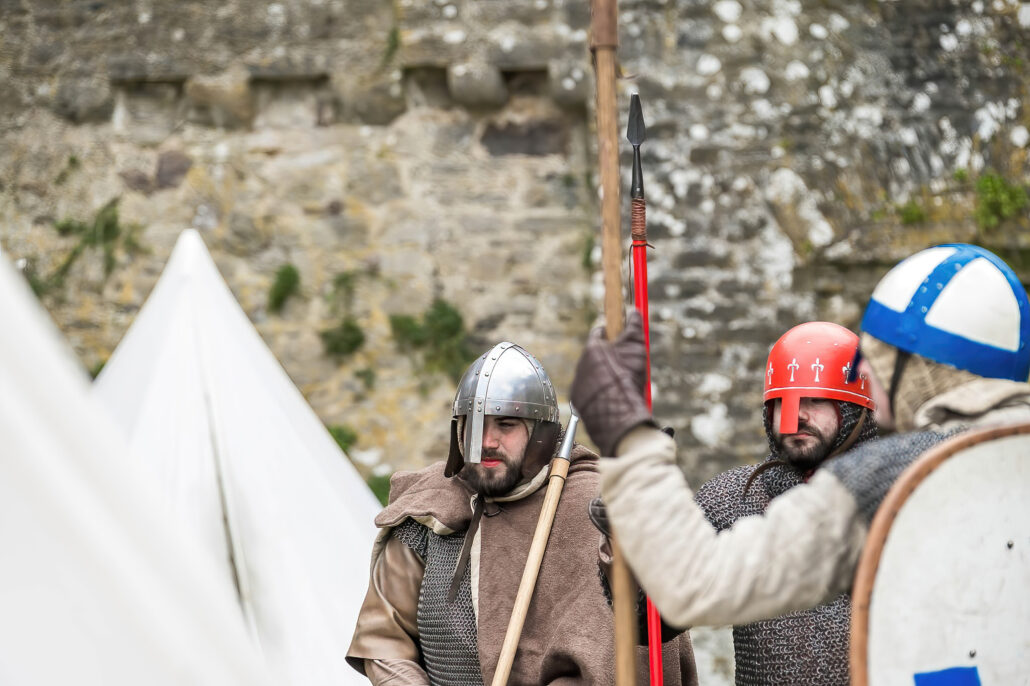
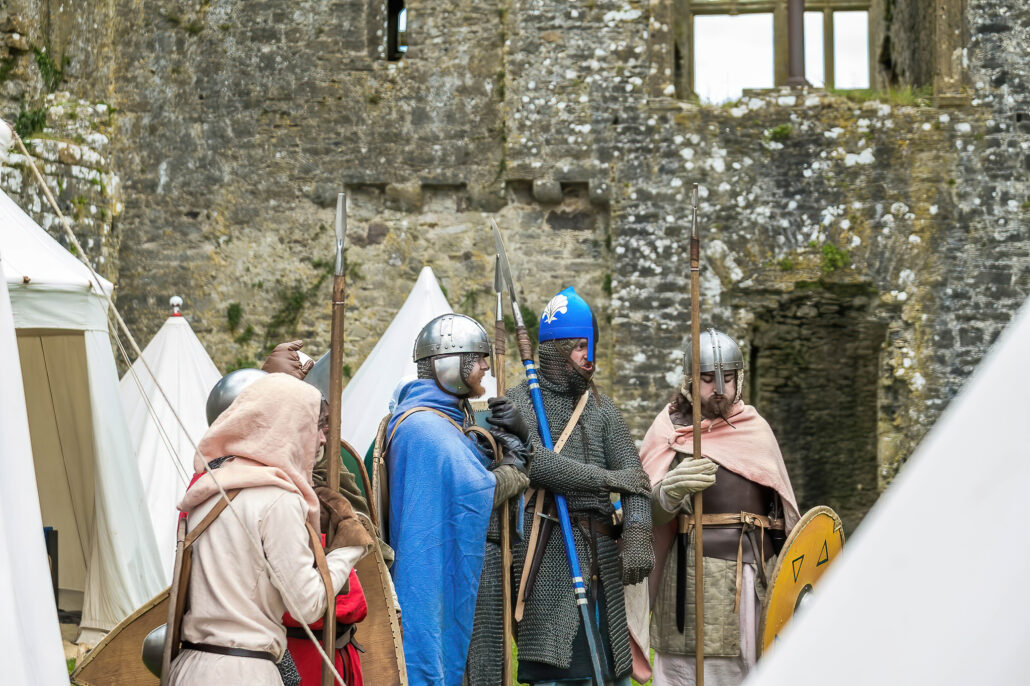
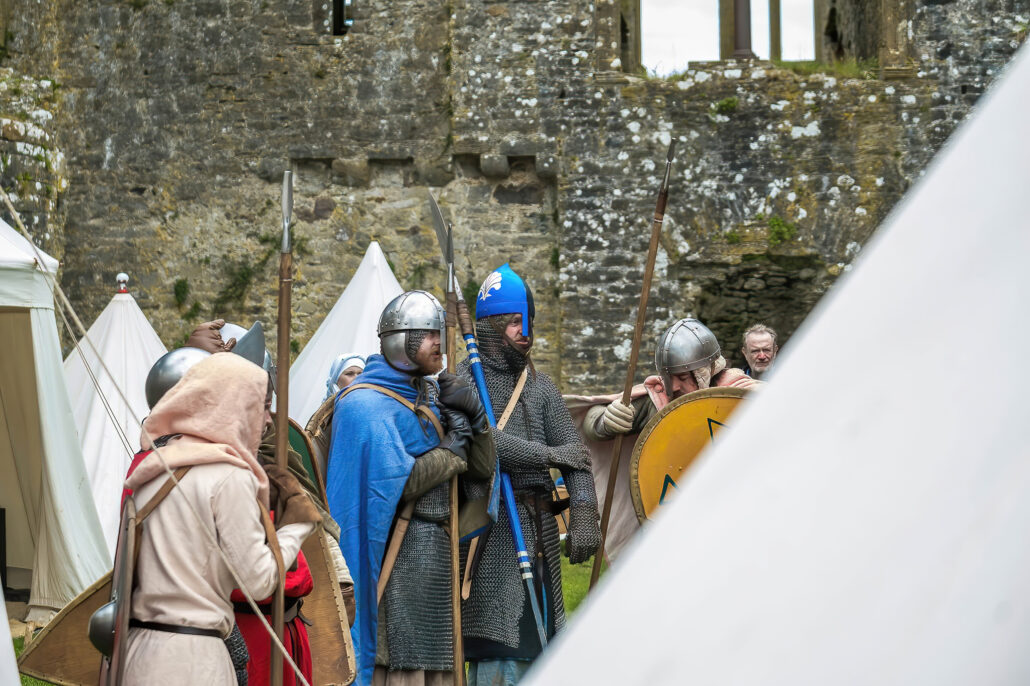
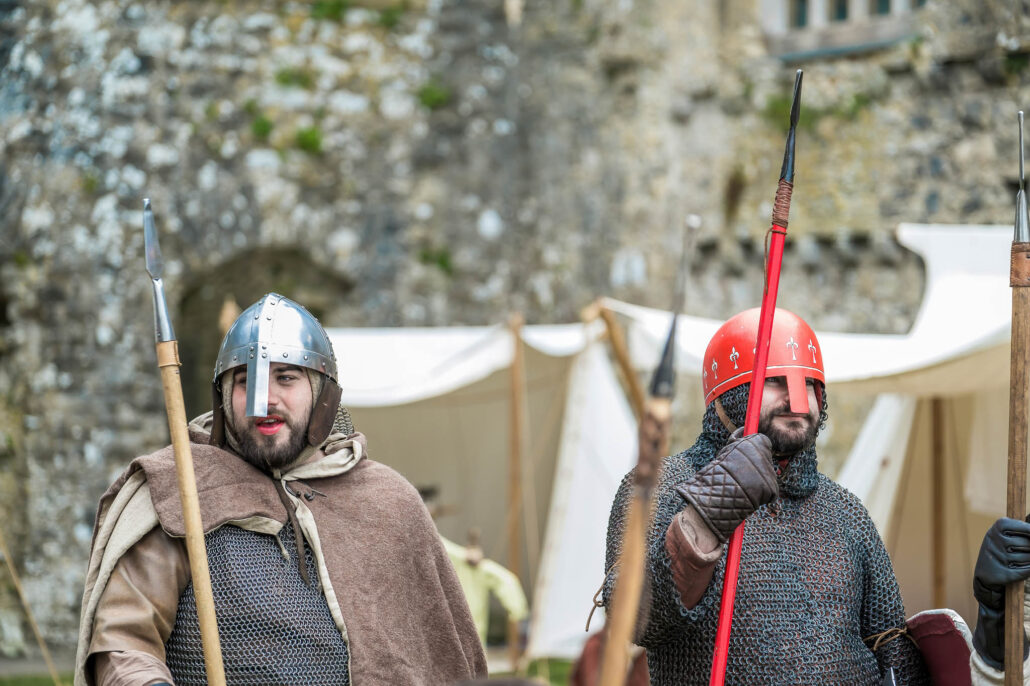
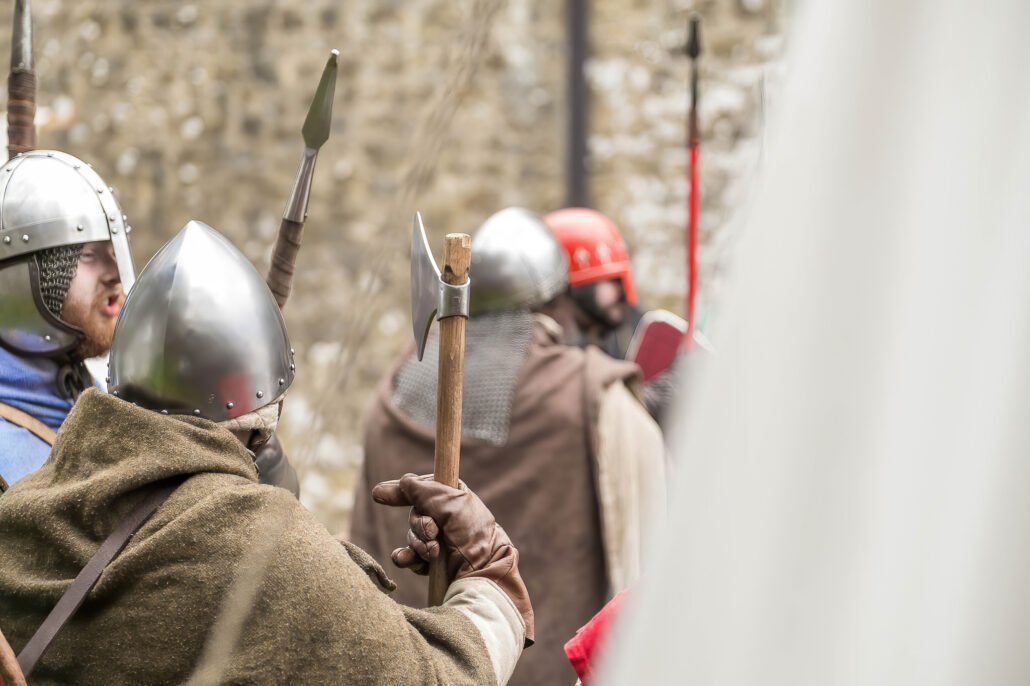
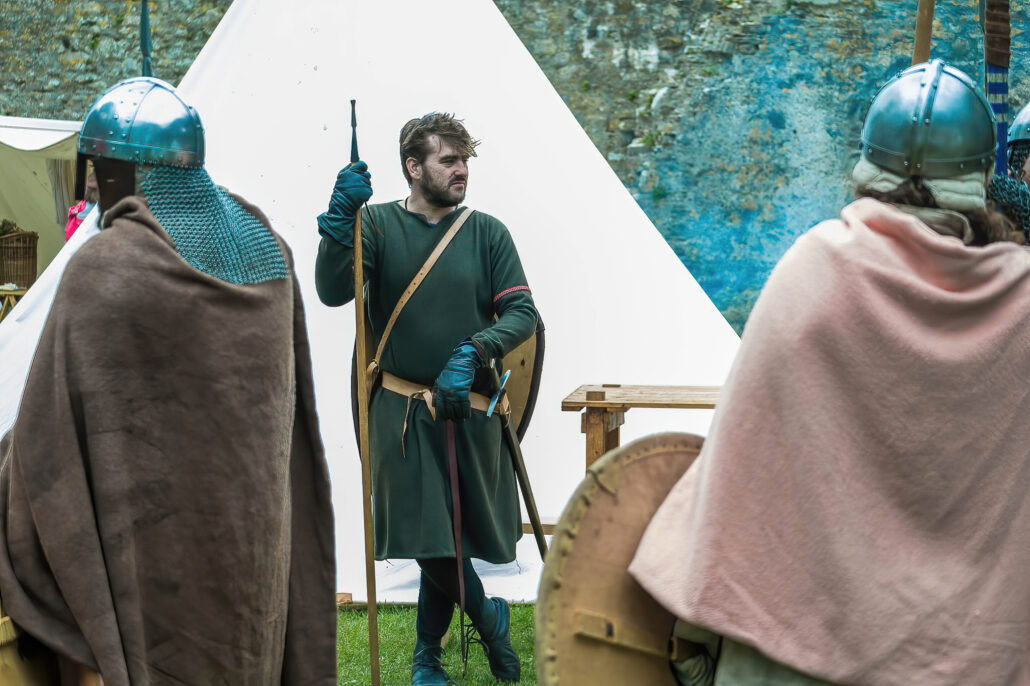
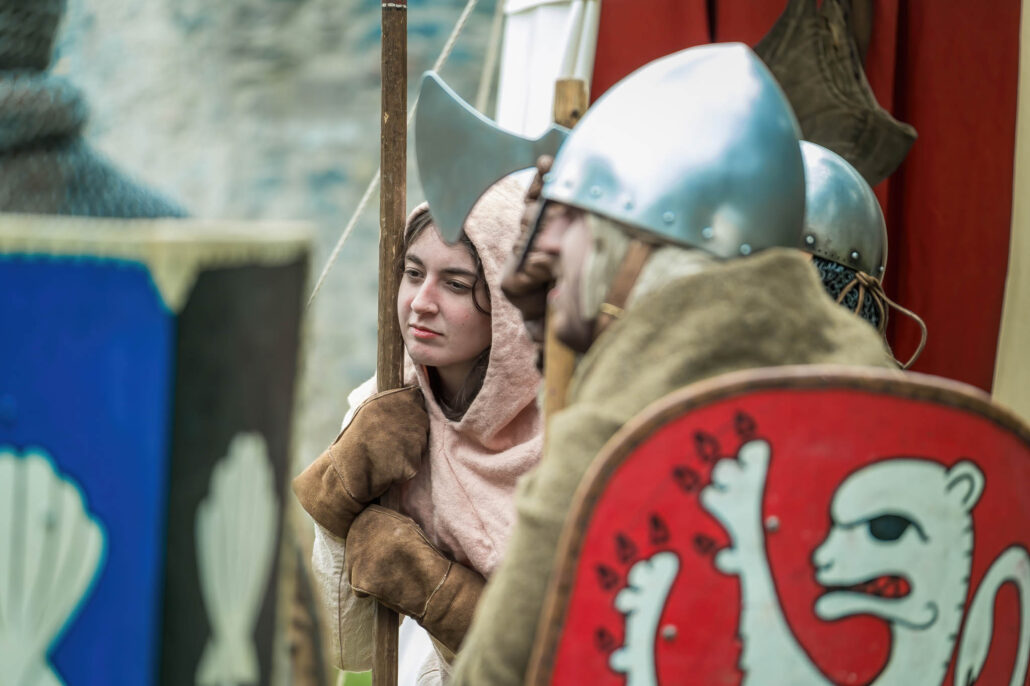
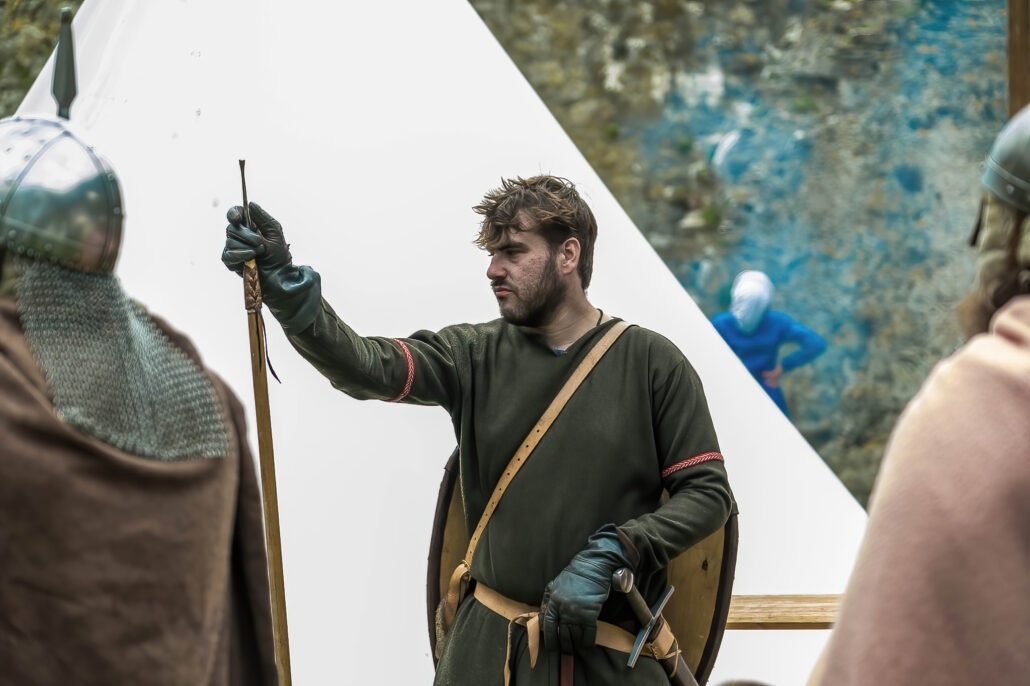
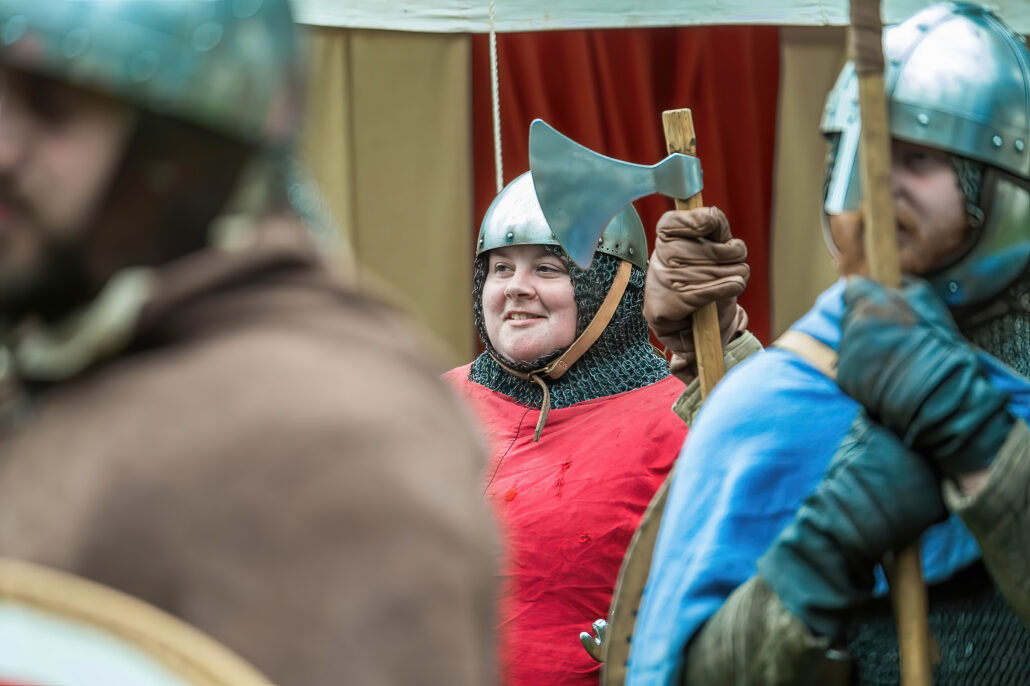
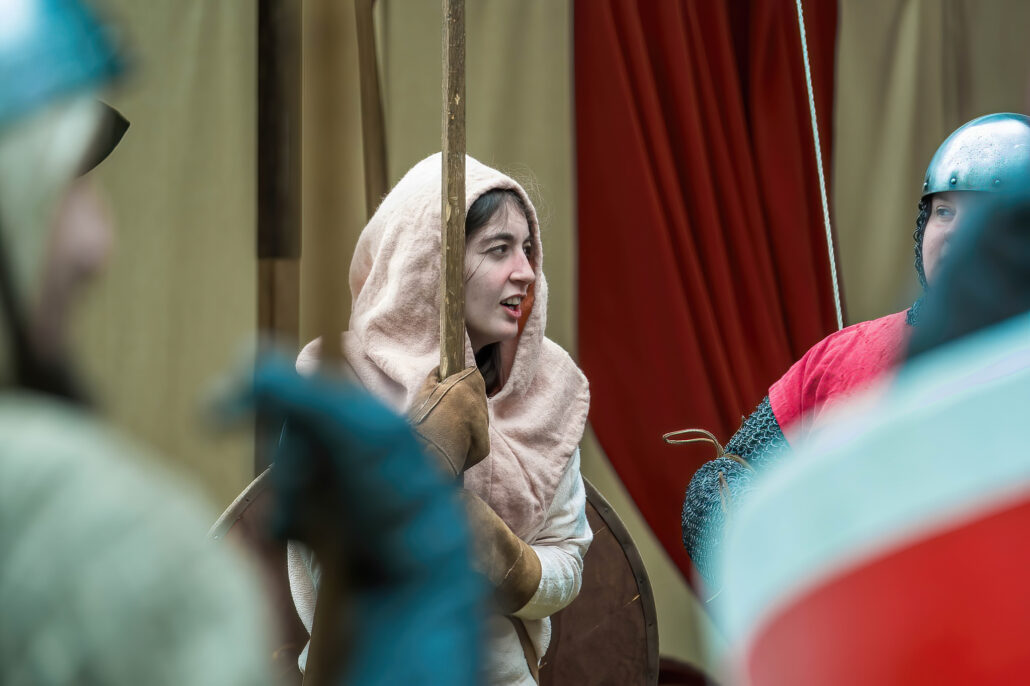
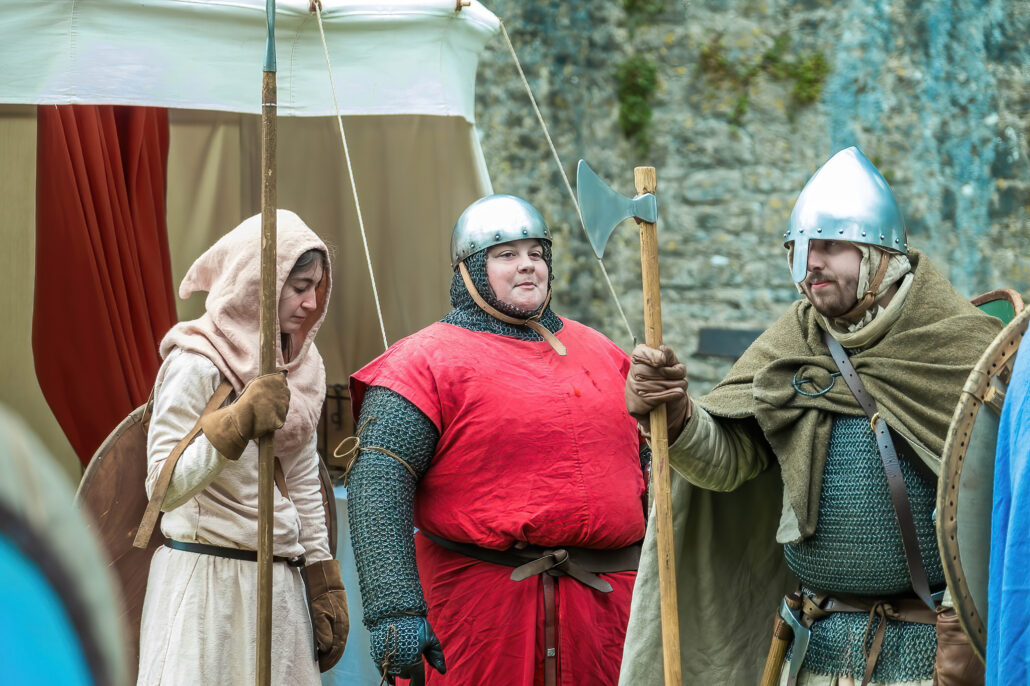
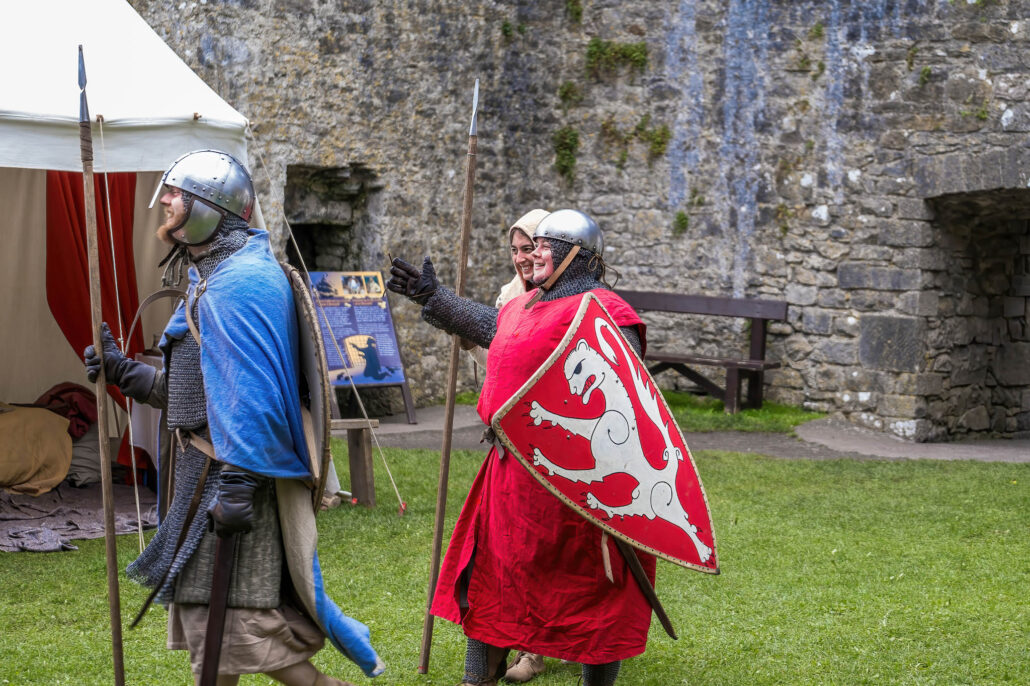
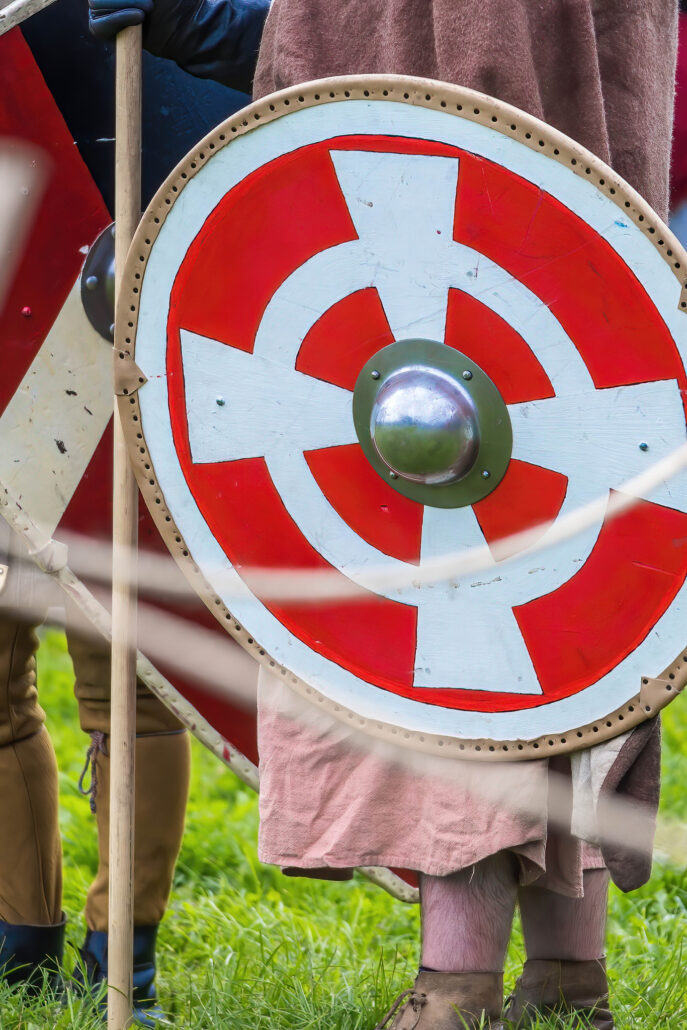
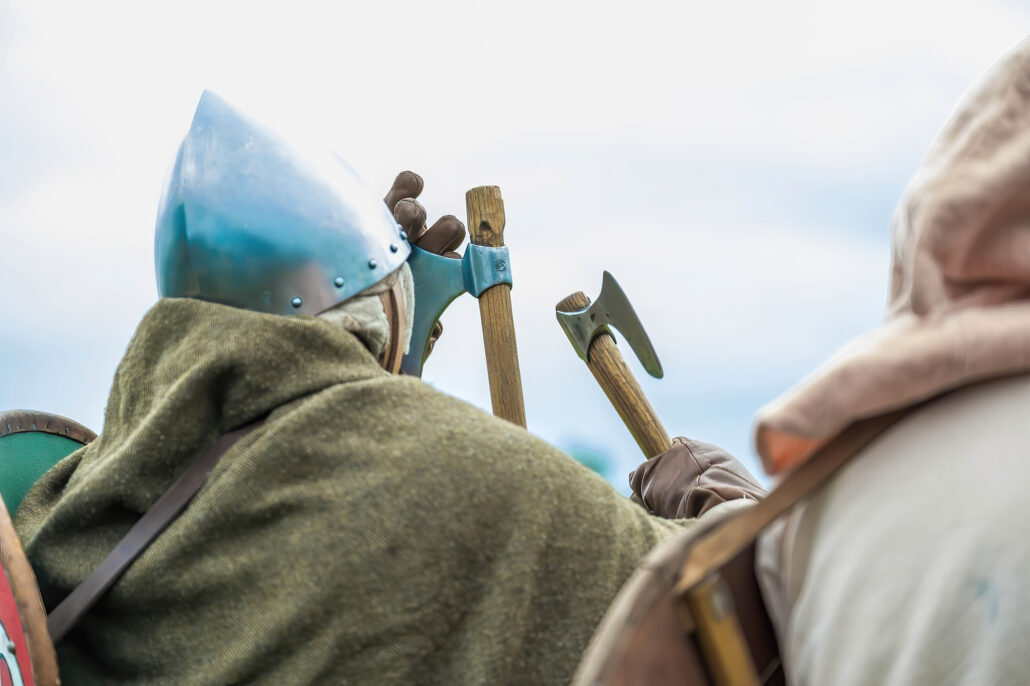
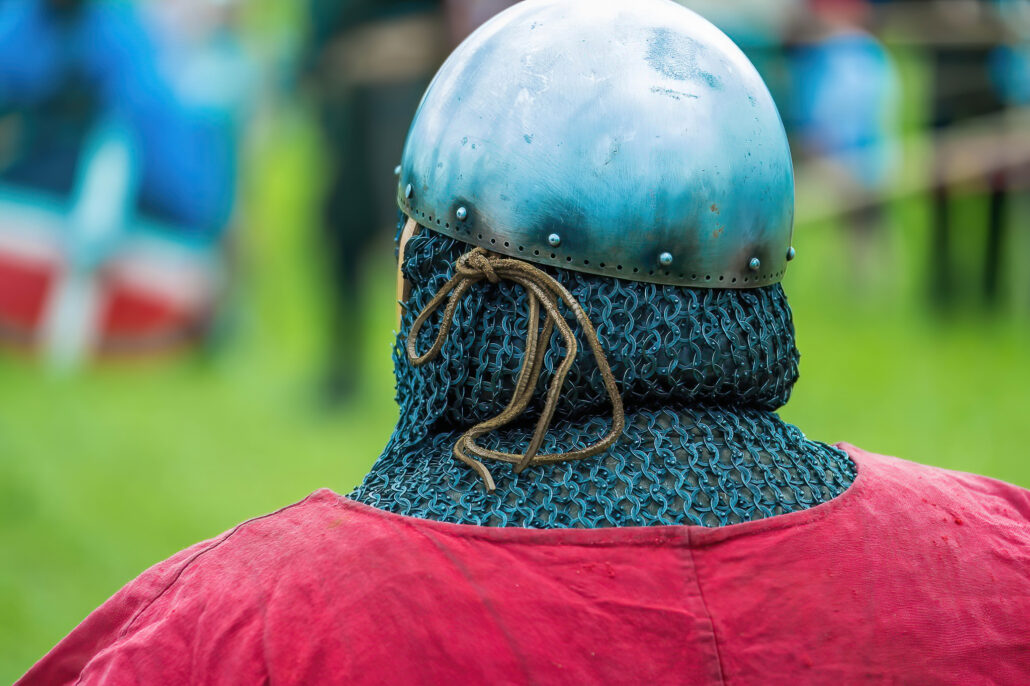
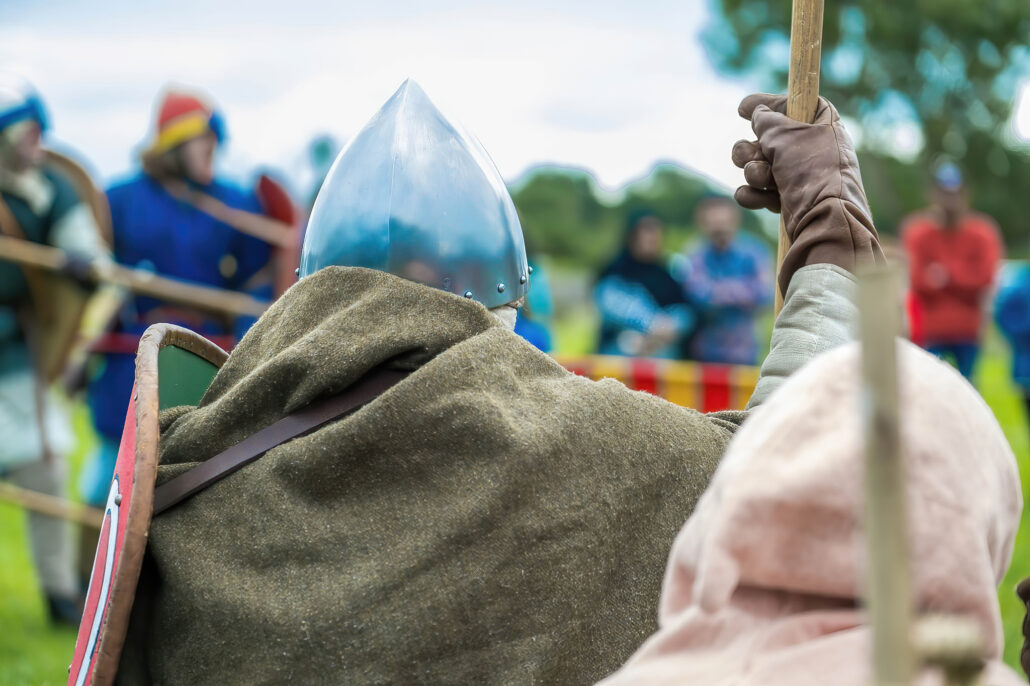
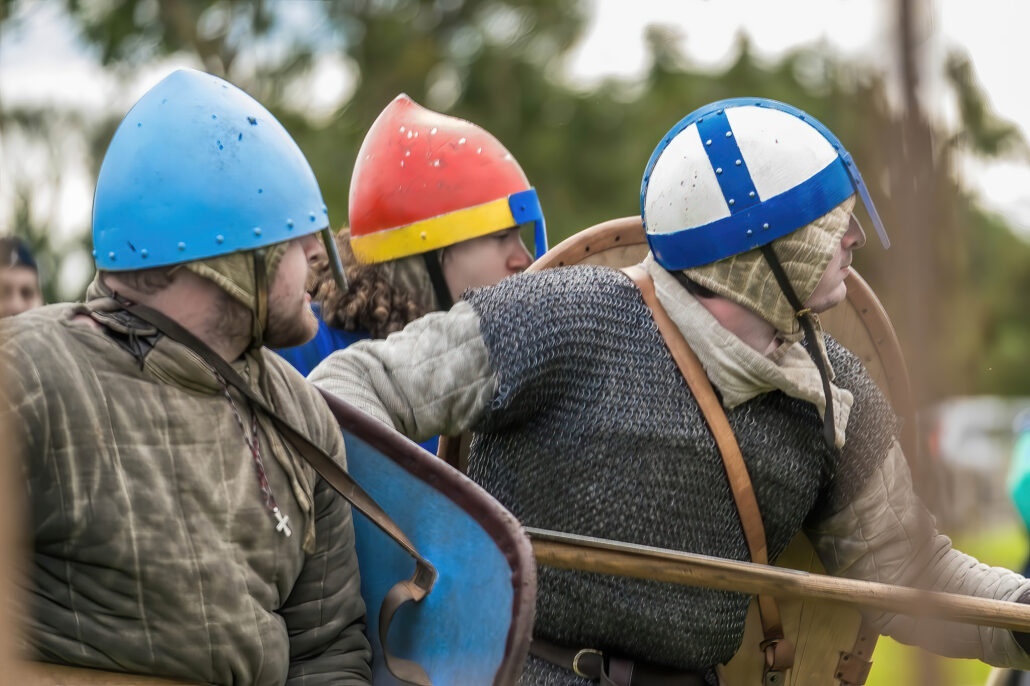
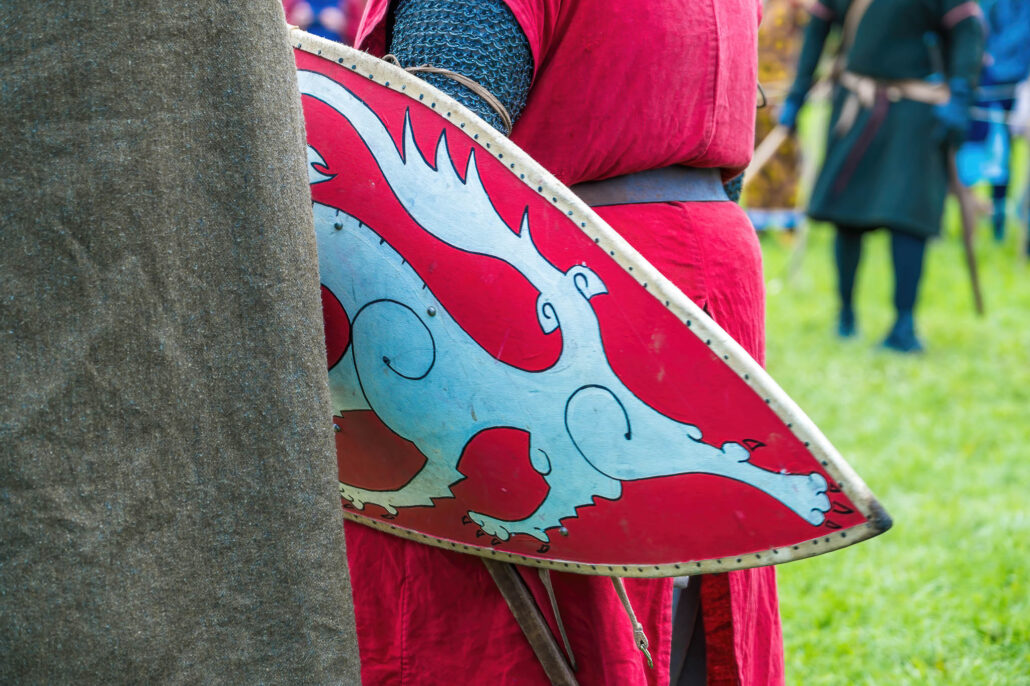
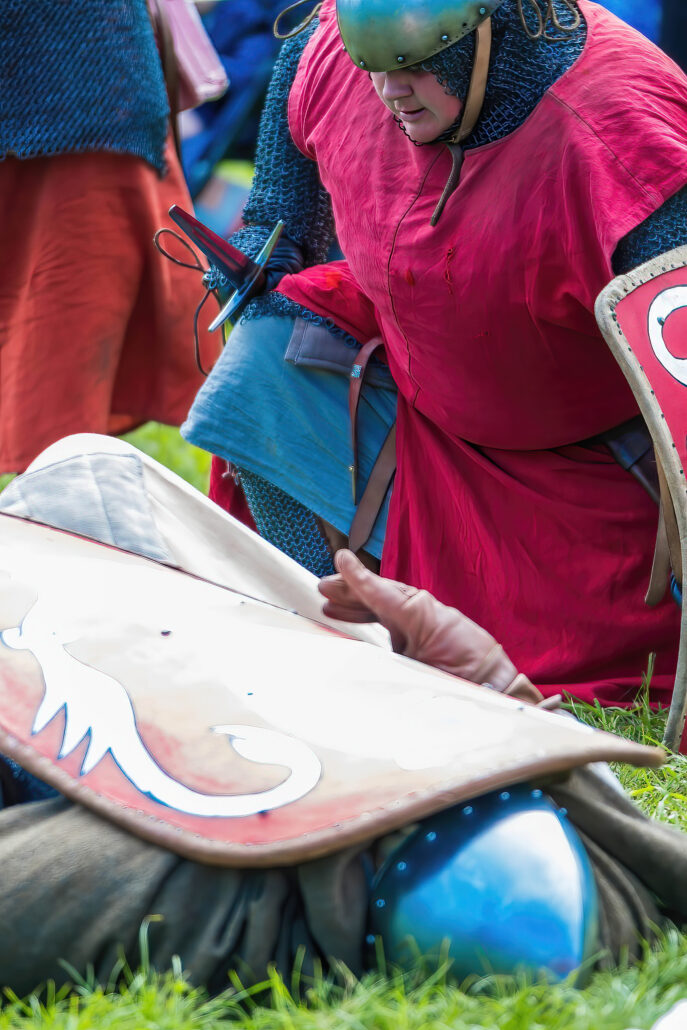
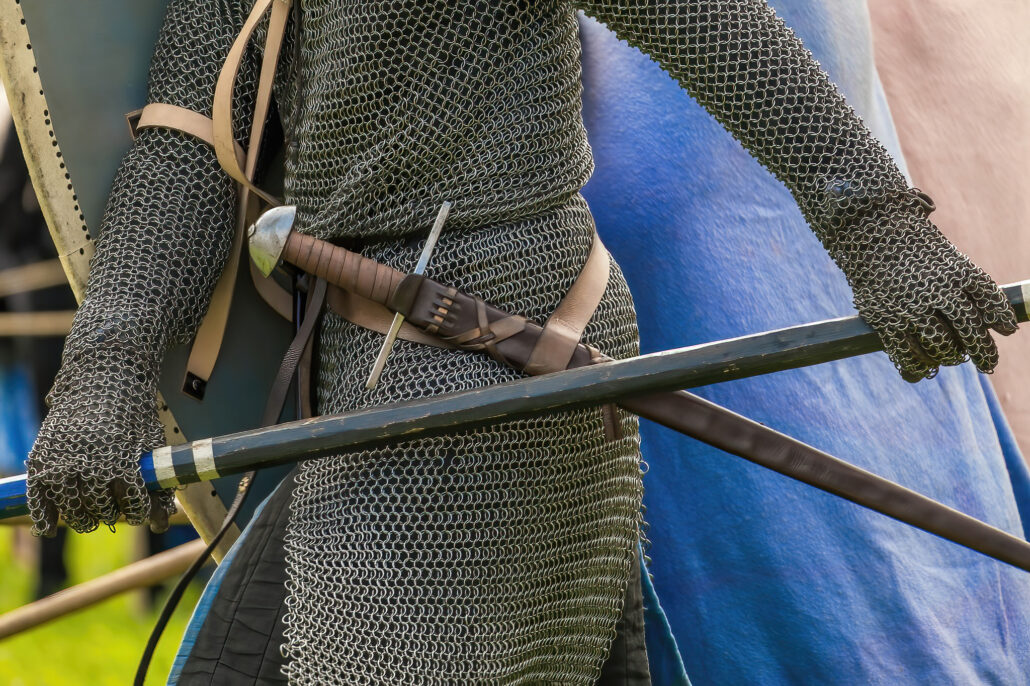
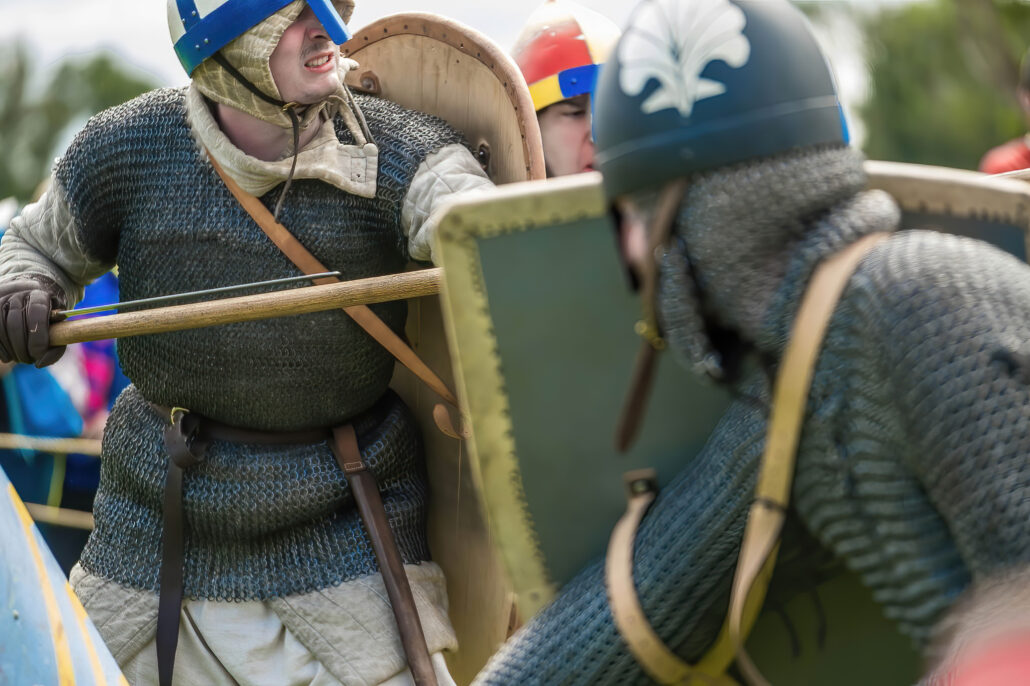
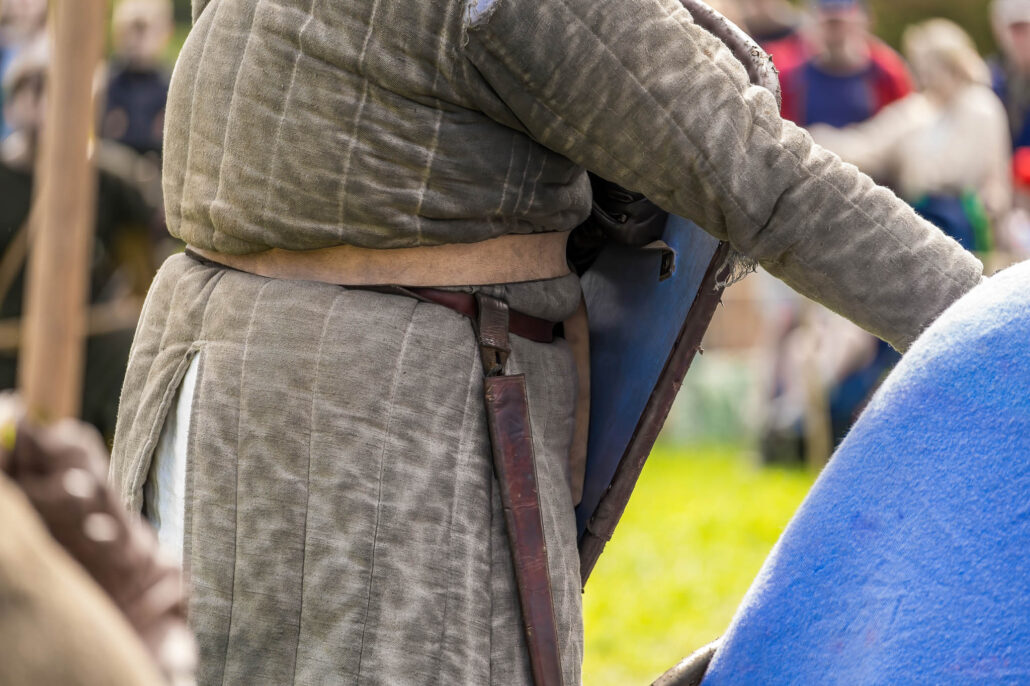
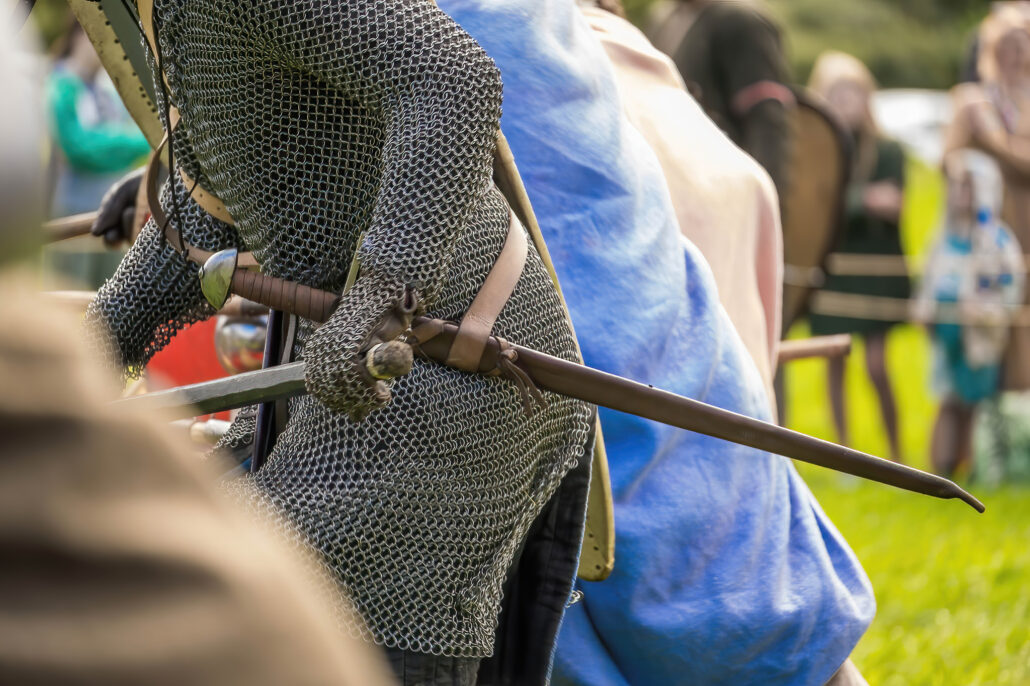
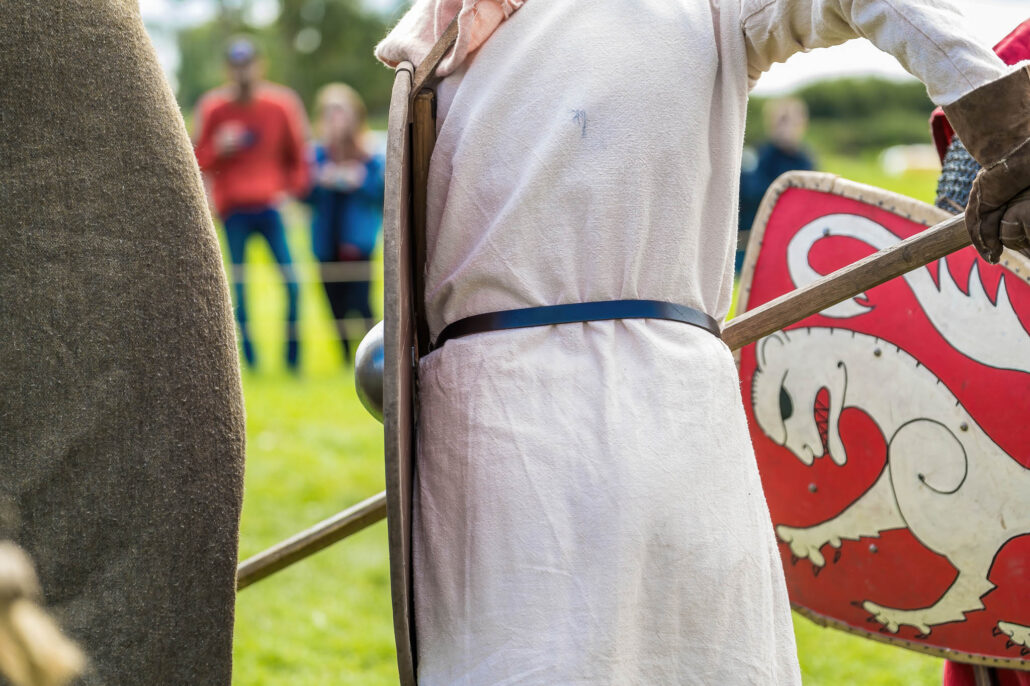
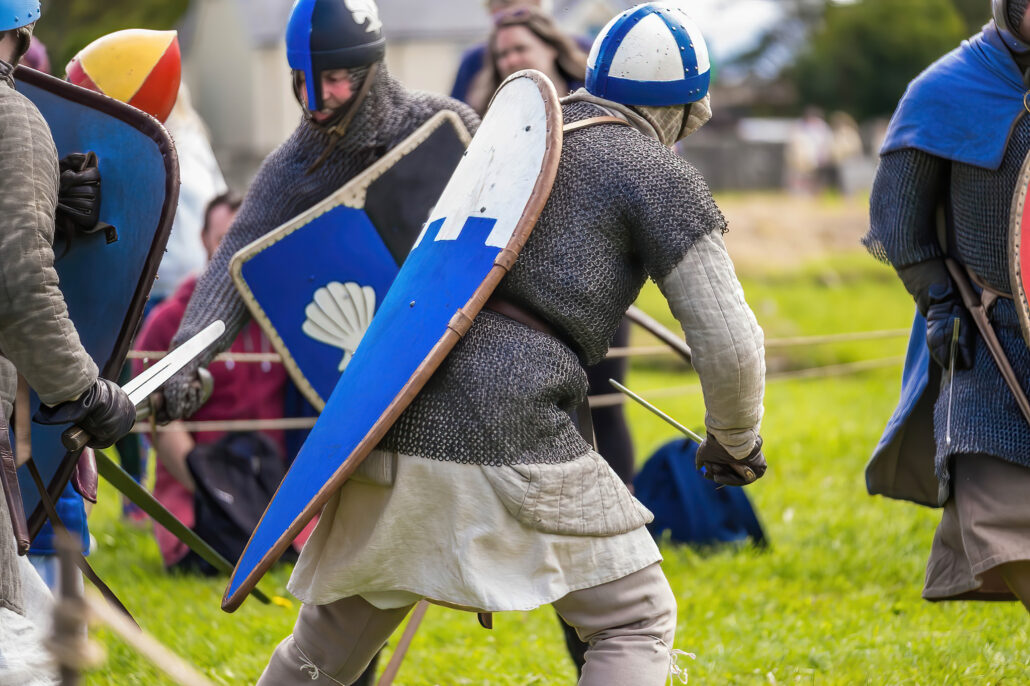
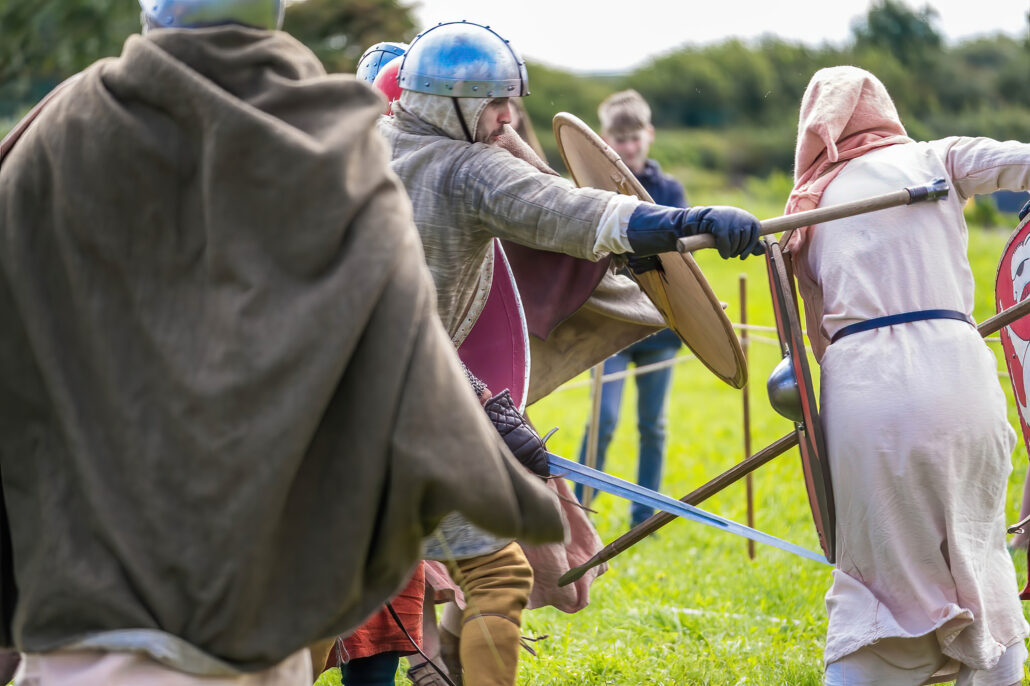
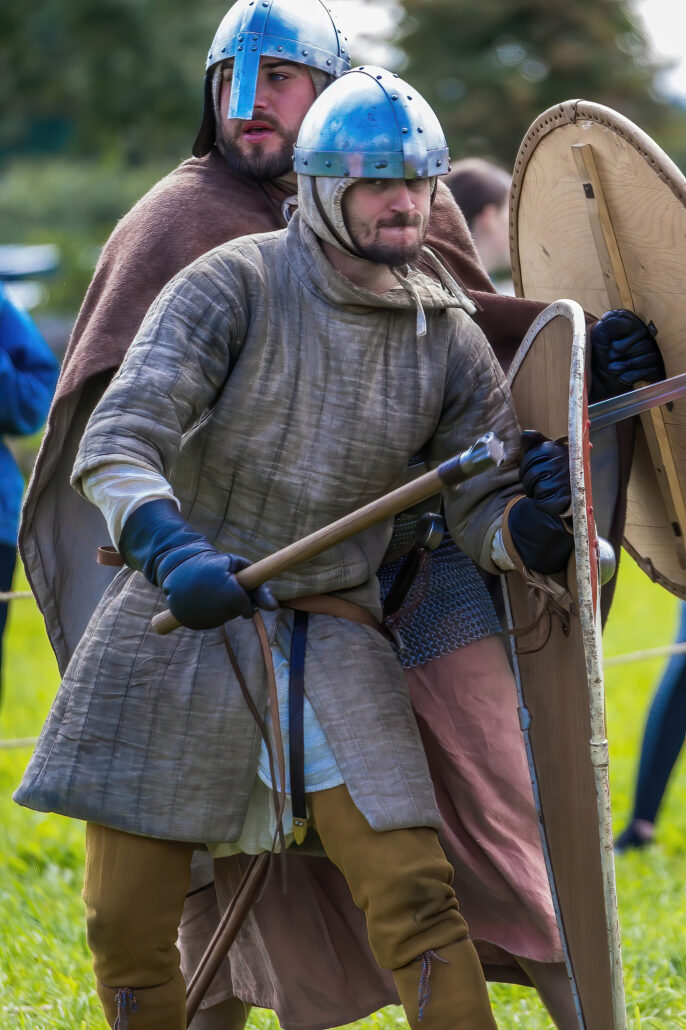
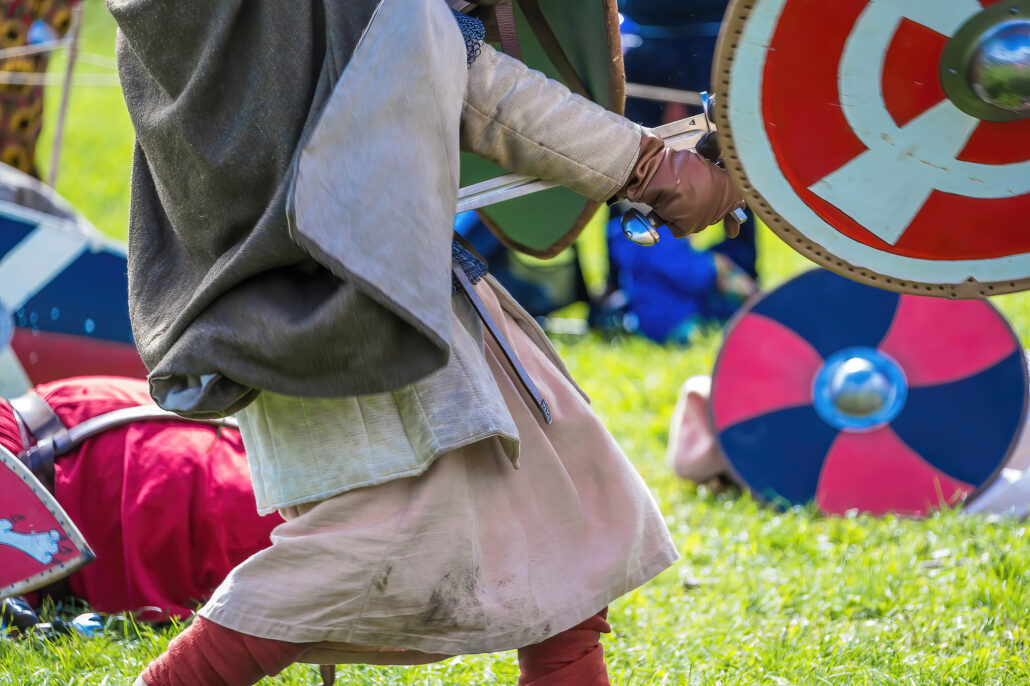
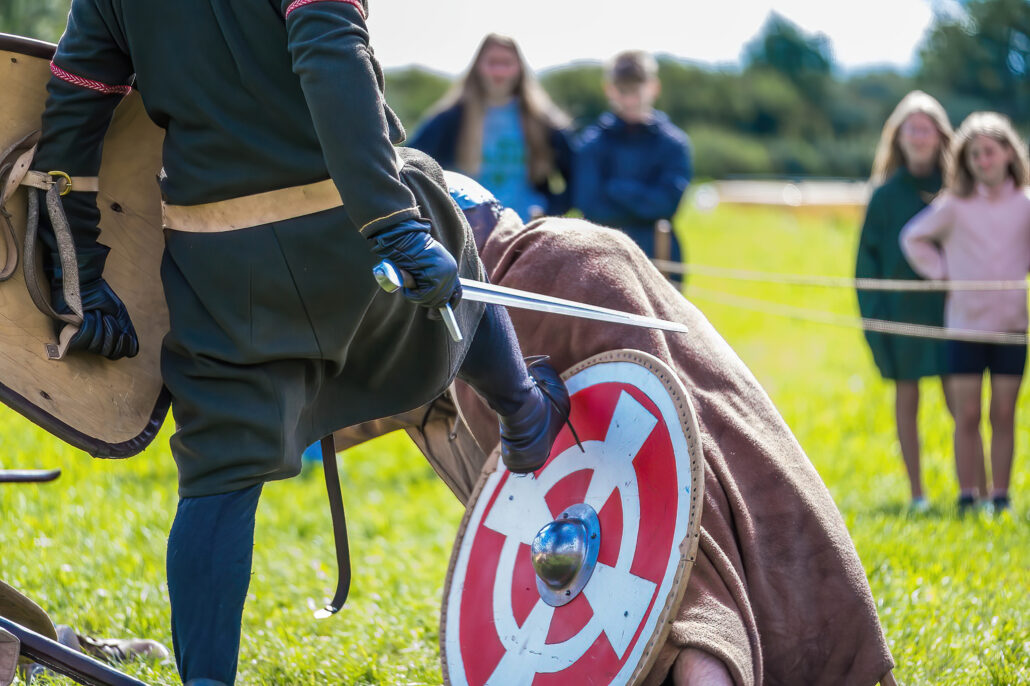
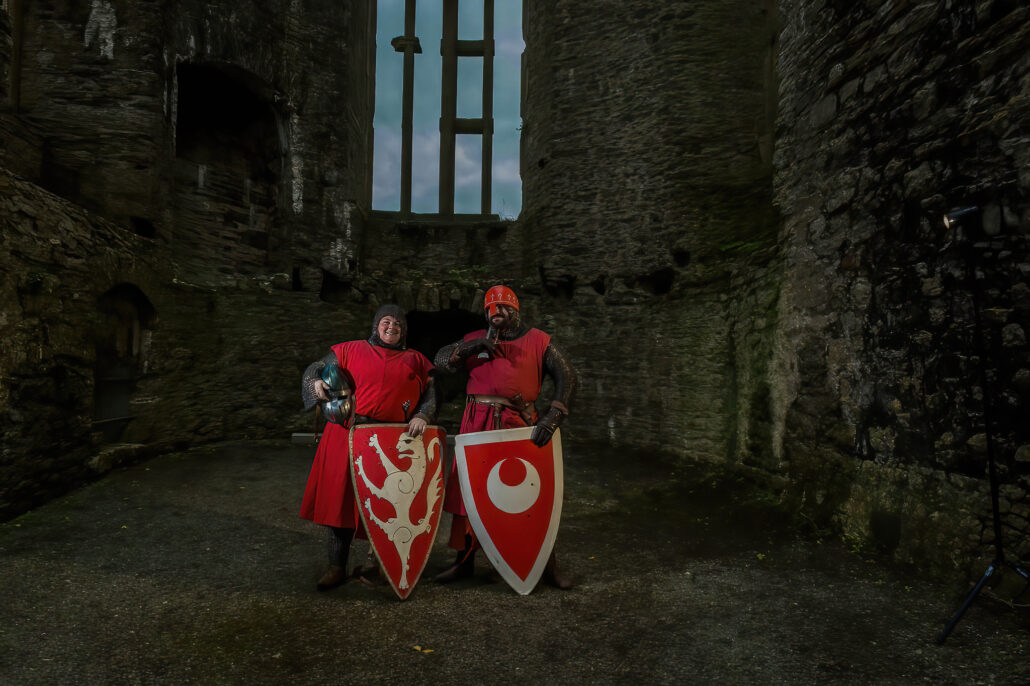
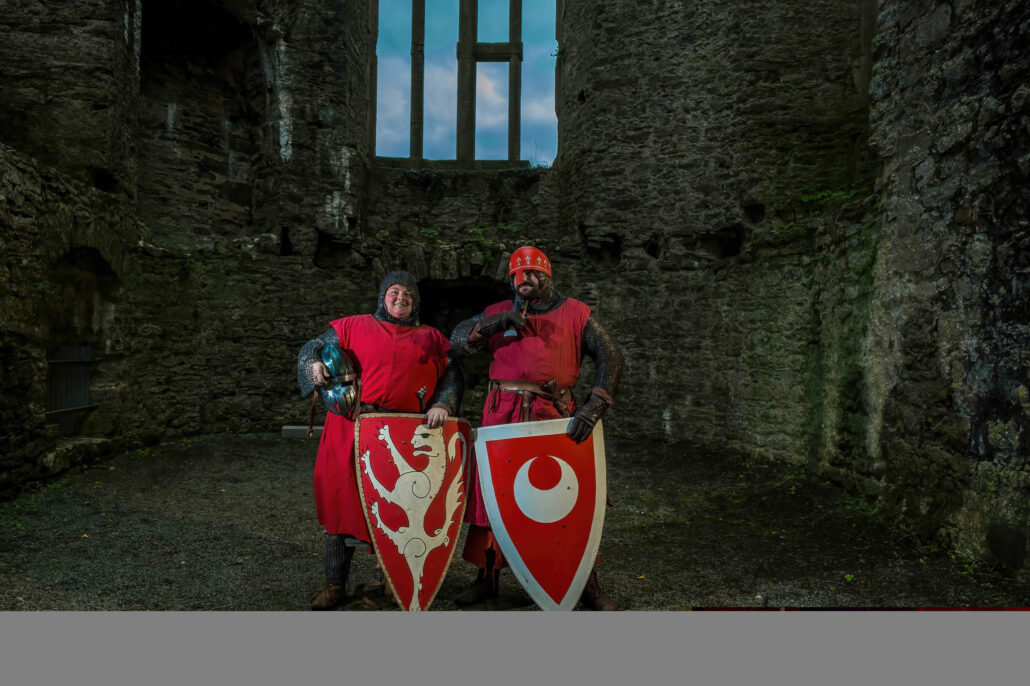
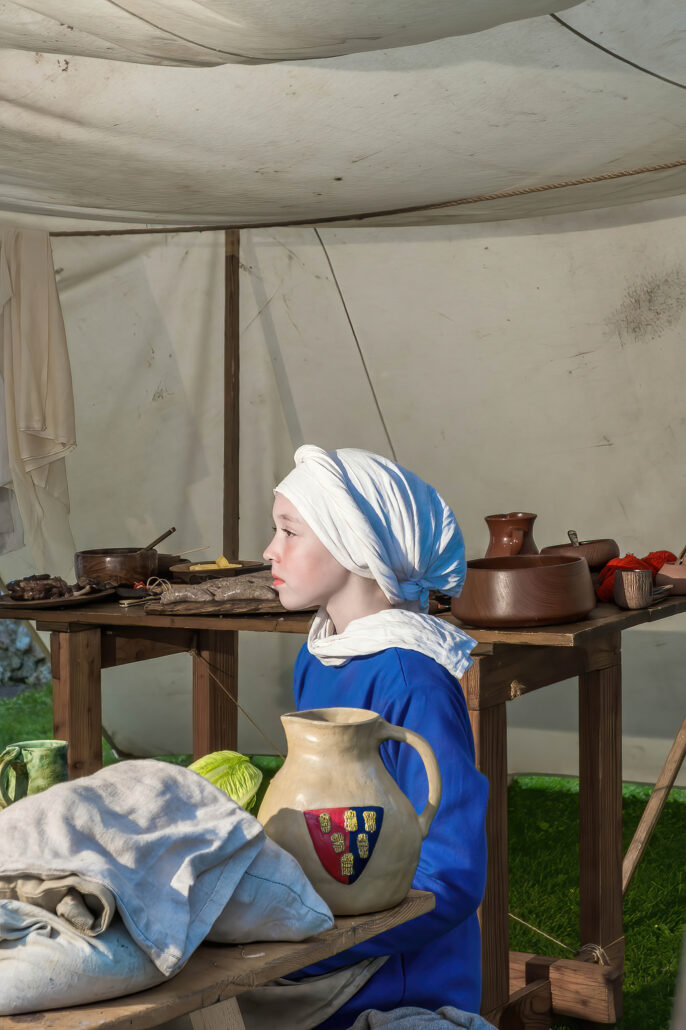
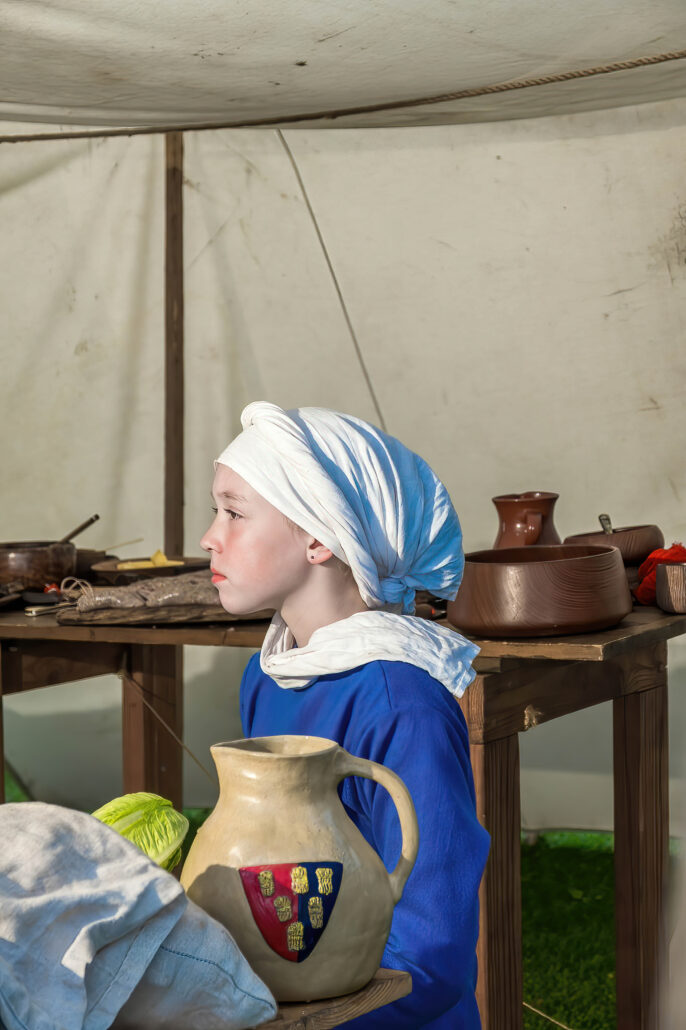
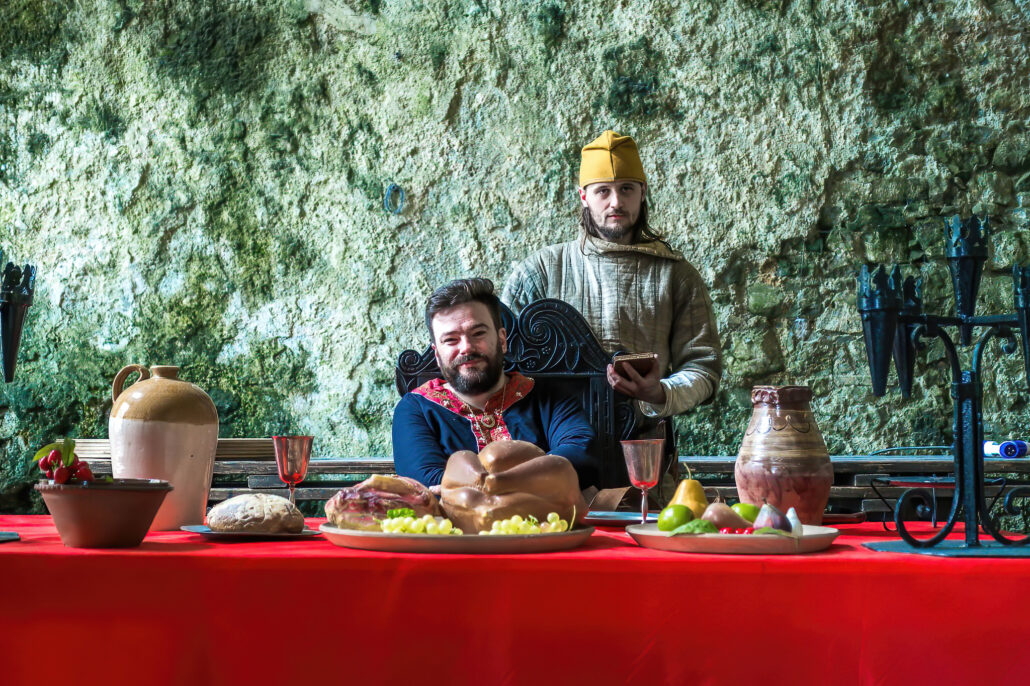
One of the most compelling reasons medieval reenactment photography is important is its educational value. These photographs serve as visual aids that can transport viewers back in time, offering a glimpse into a world that no longer exists. They provide context to historical narratives, showcasing medieval society's attire, weaponry, and daily life. For educators and historians, medieval reenactment photography is an invaluable tool for bringing history to life, making it more accessible and engaging to a broader audience.
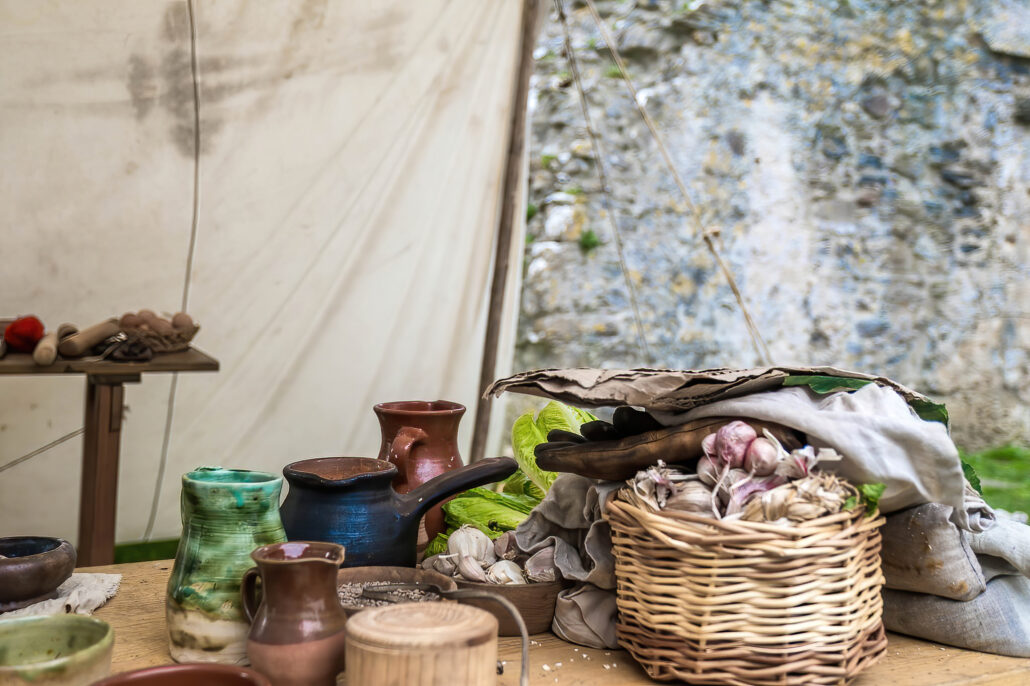
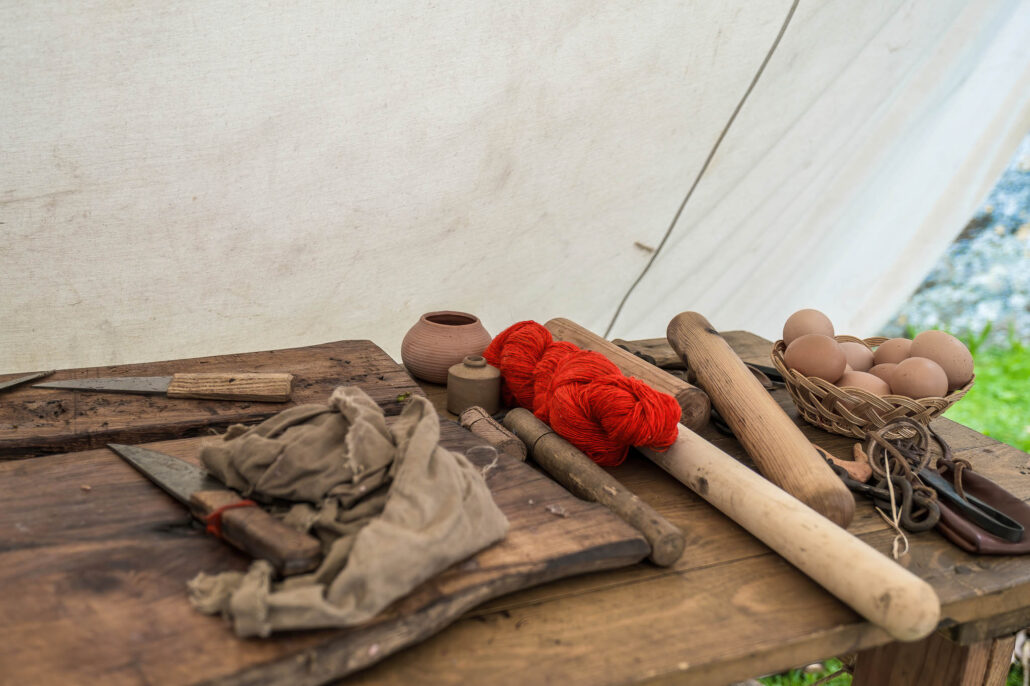
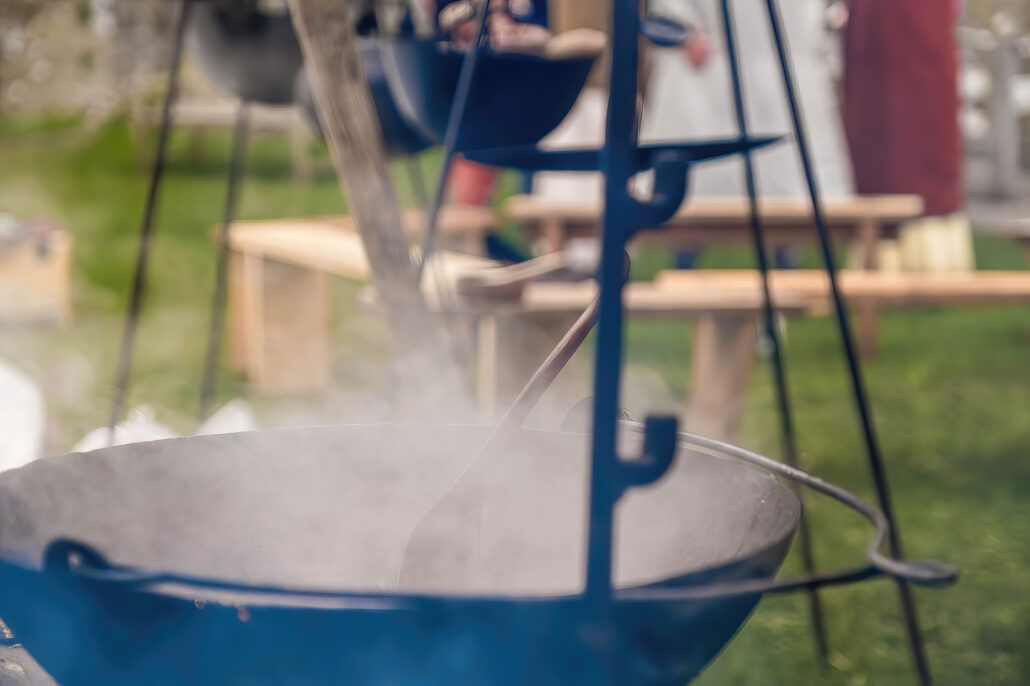
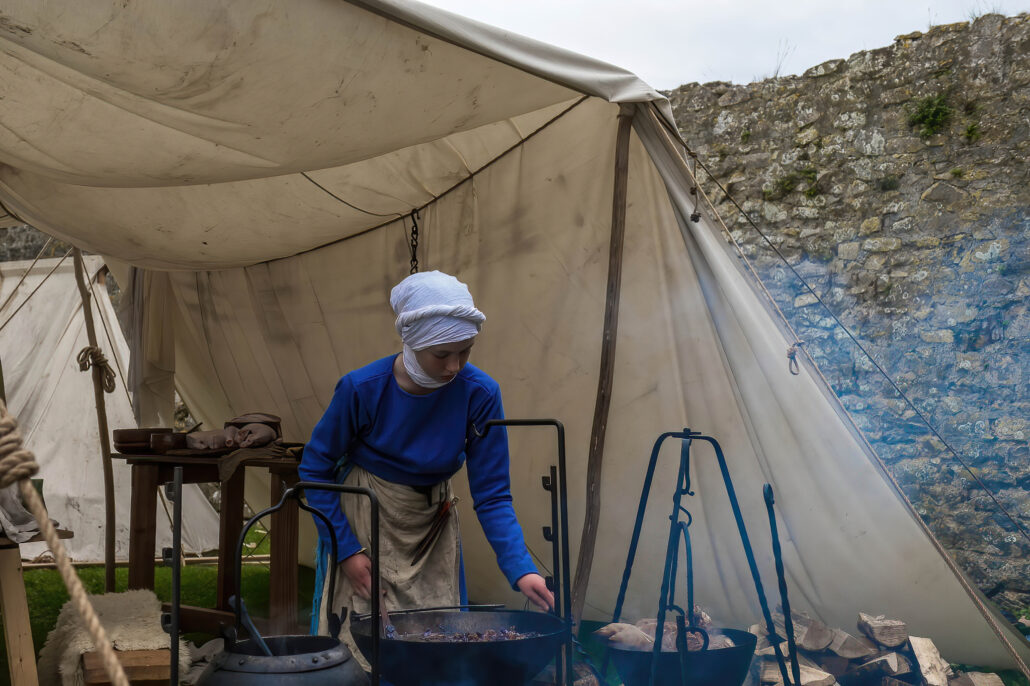
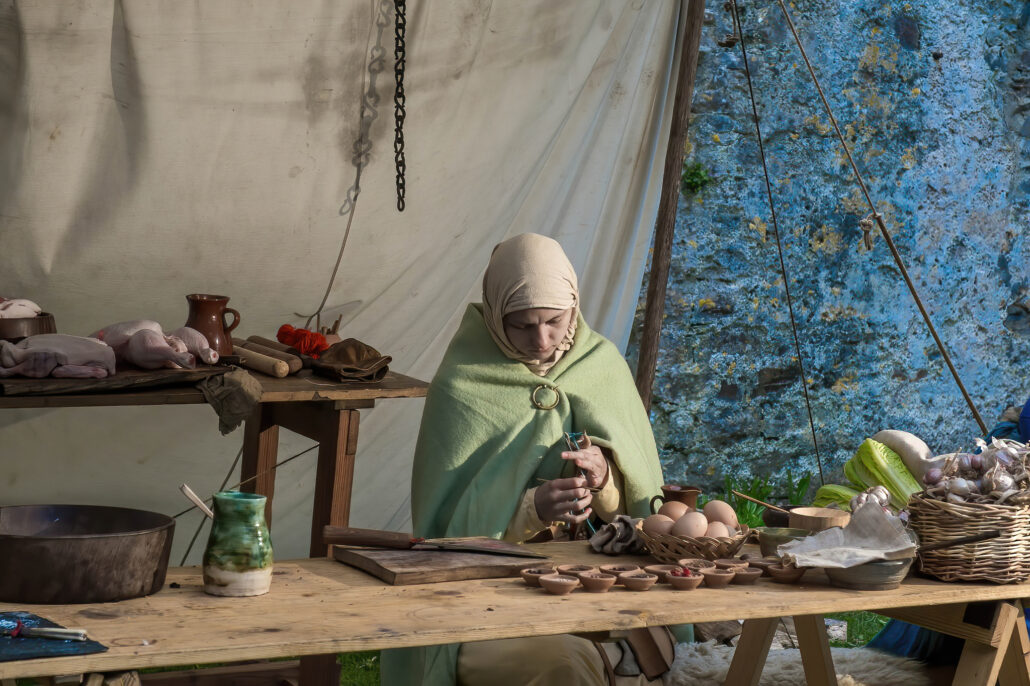
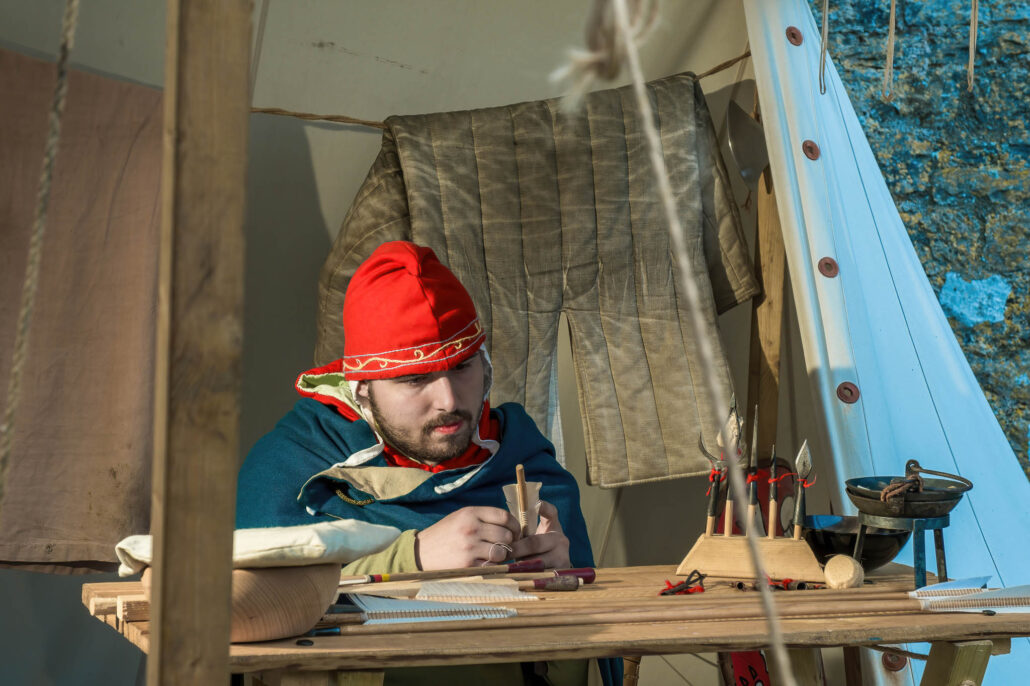
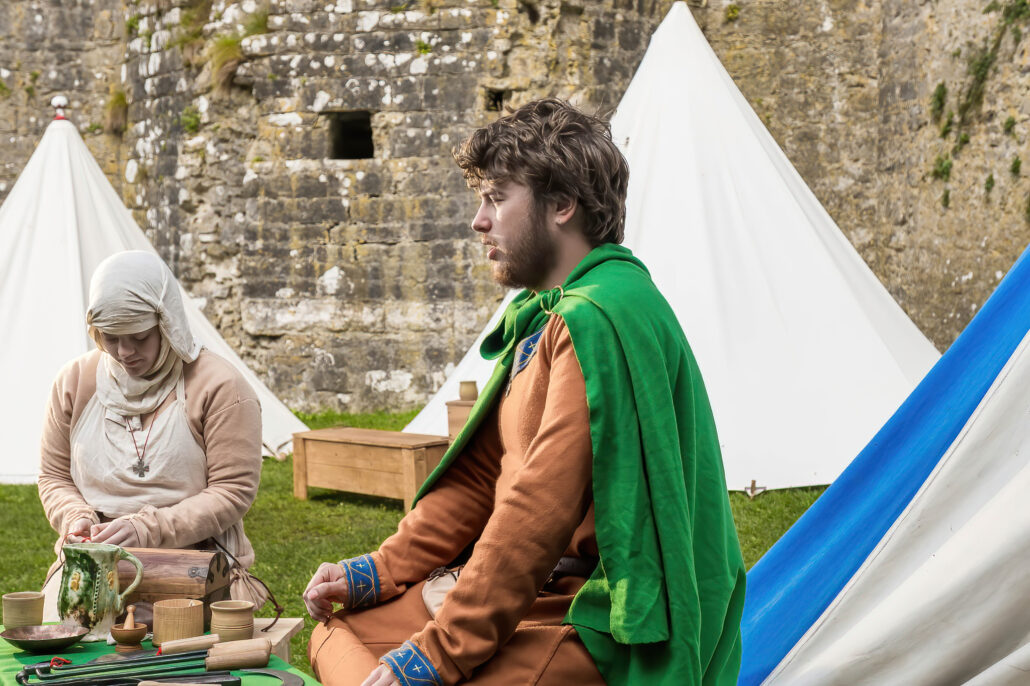
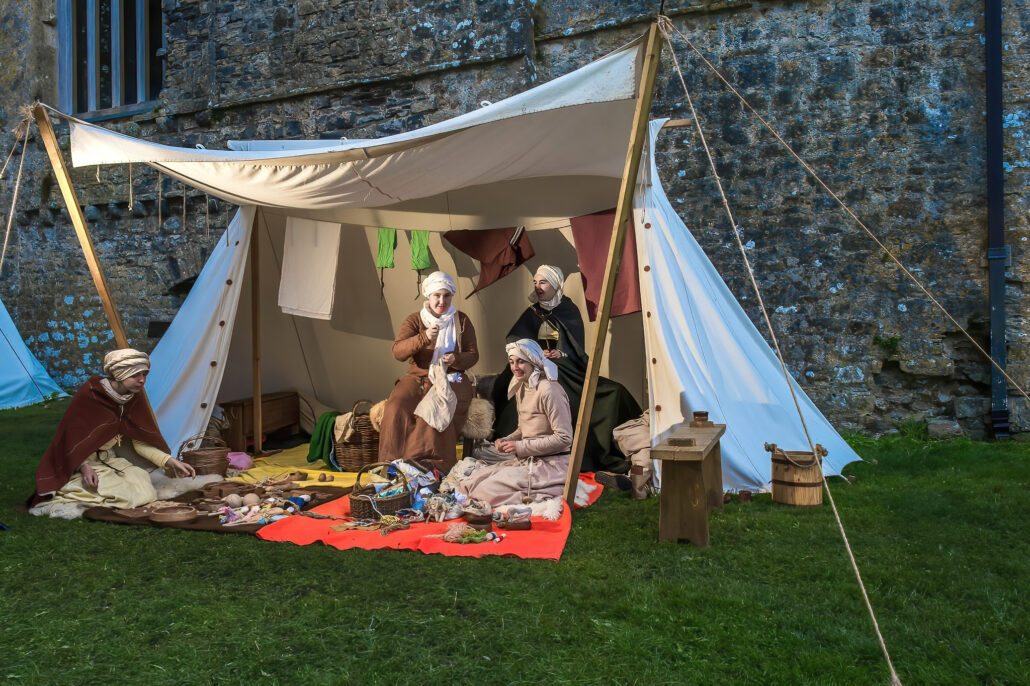
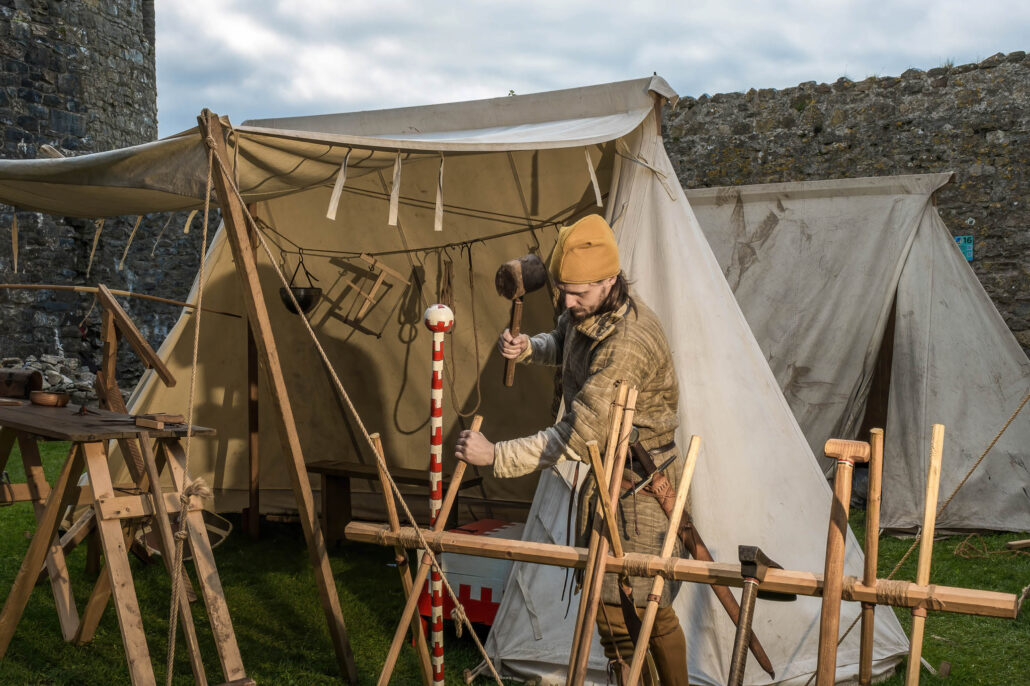
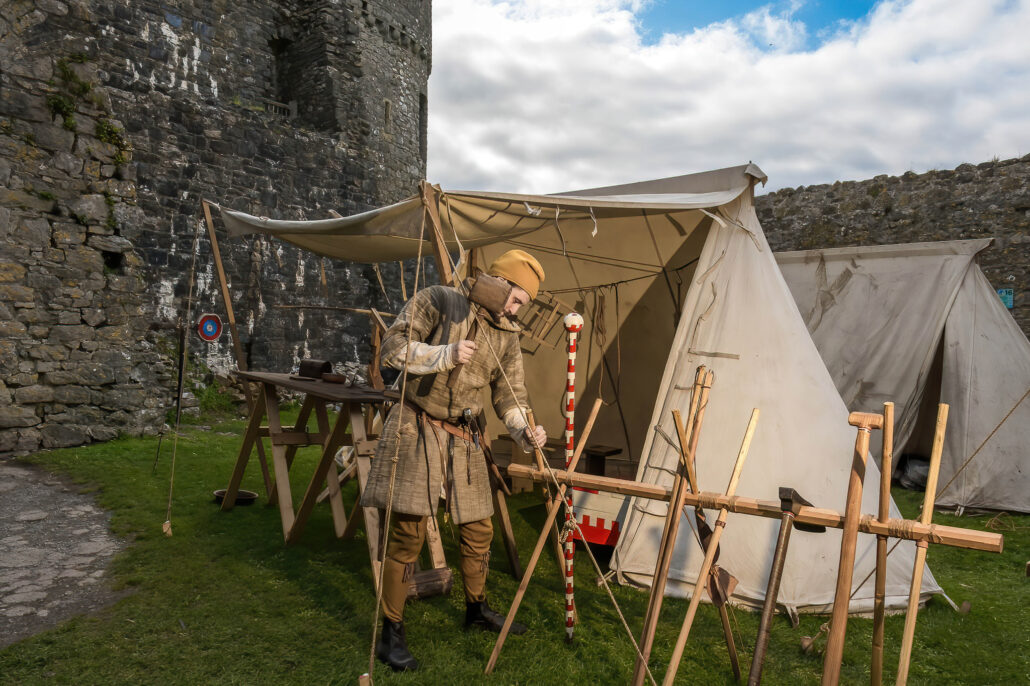
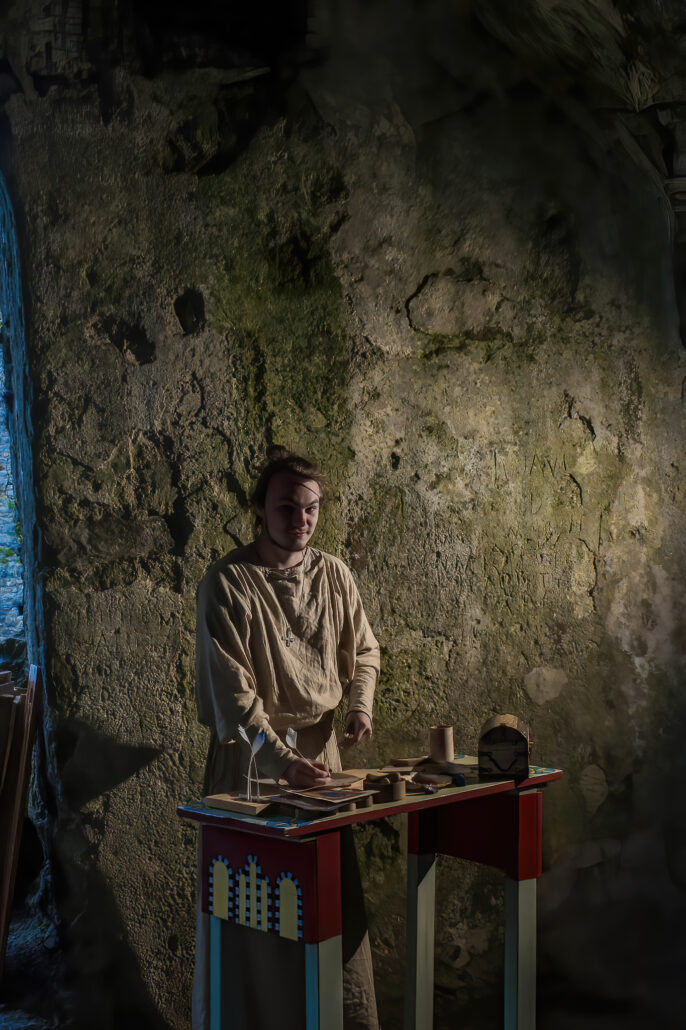
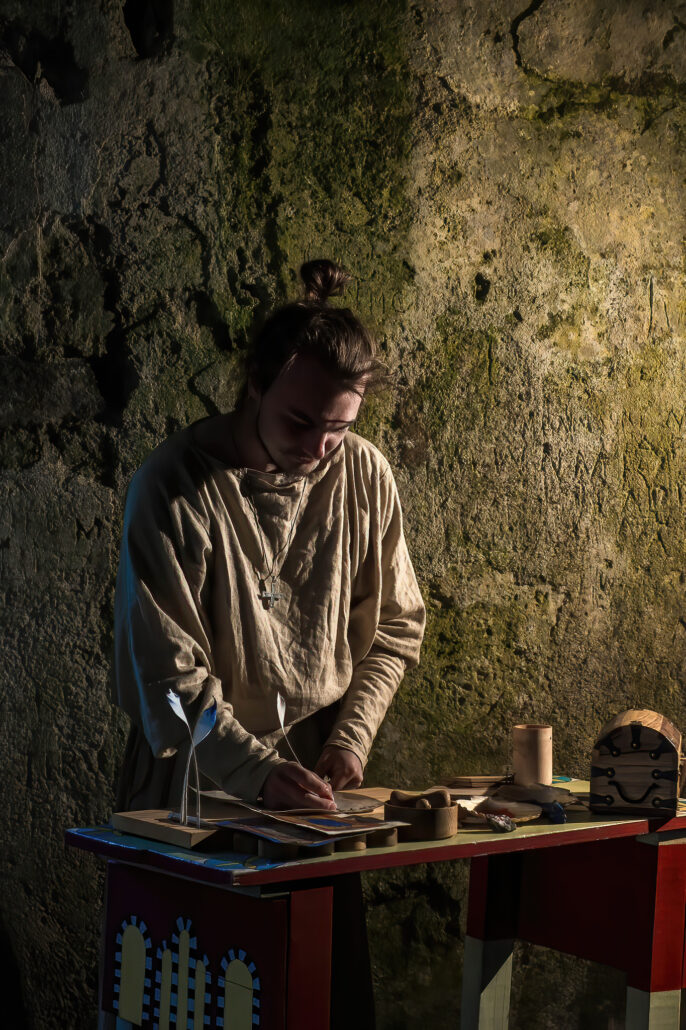
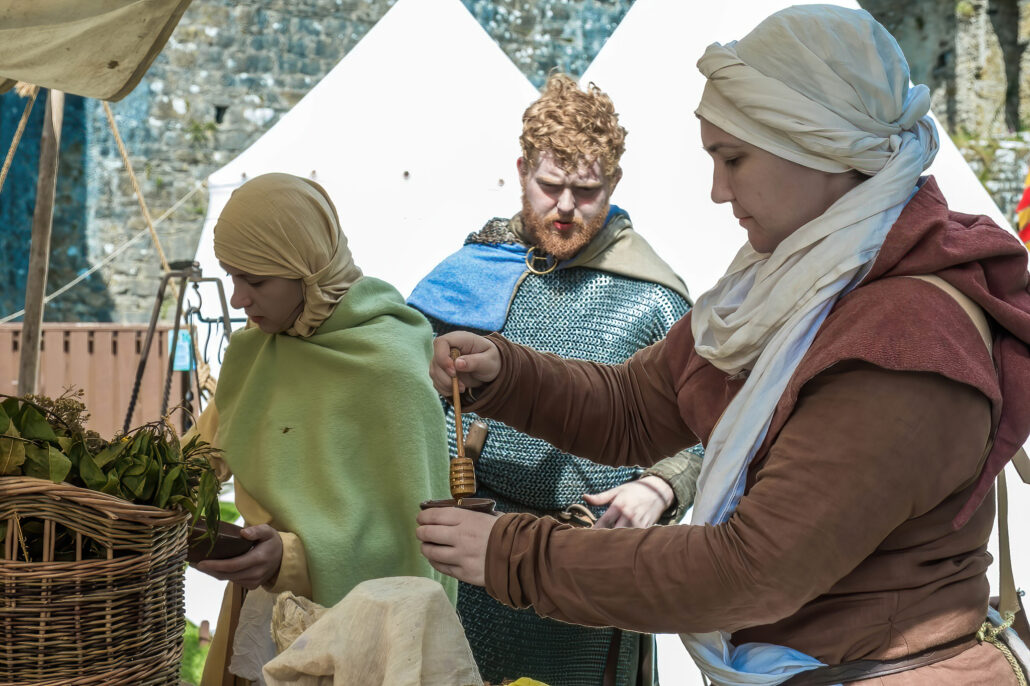
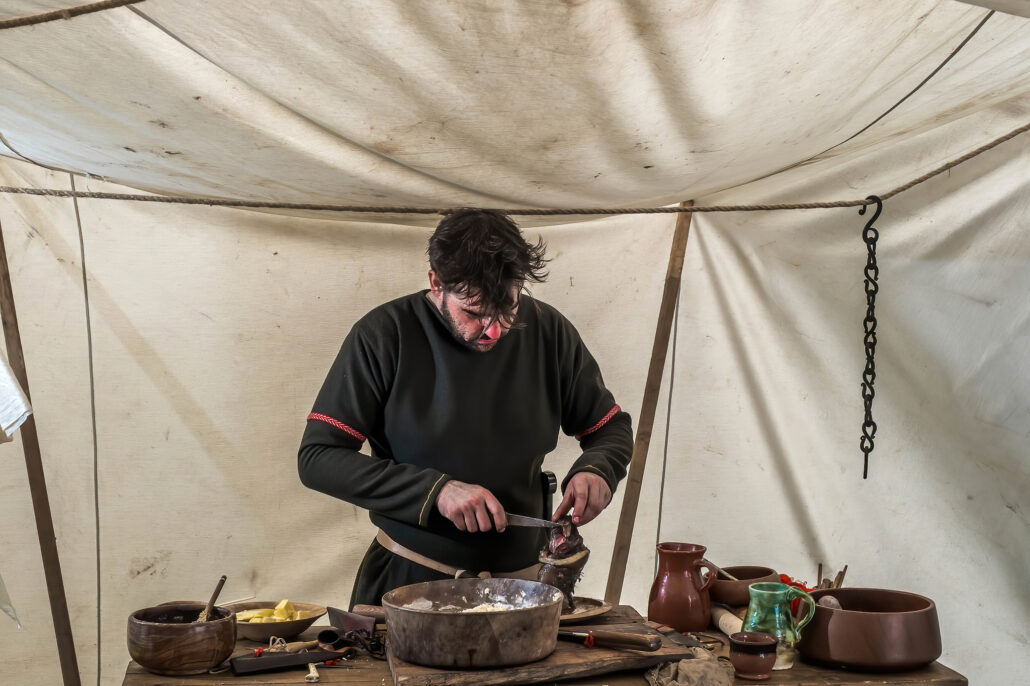
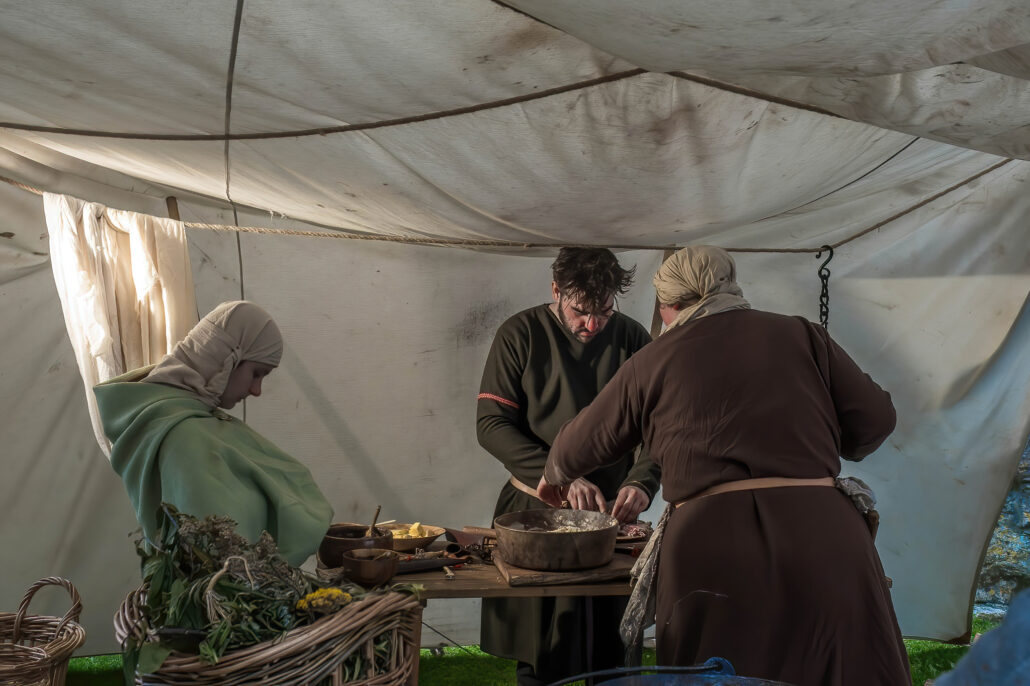
Another significant aspect of medieval reenactment photography is its ability to support preserving historical arts and crafts. Reenactments often include demonstrations of blacksmithing, weaving, woodcarving, and other medieval trades. Through photography, these crafts' intricate details and painstaking processes are highlighted and celebrated. Medieval reenactment photography ensures that these skills, so vital to the authenticity of reenactments, are recorded and recognized.
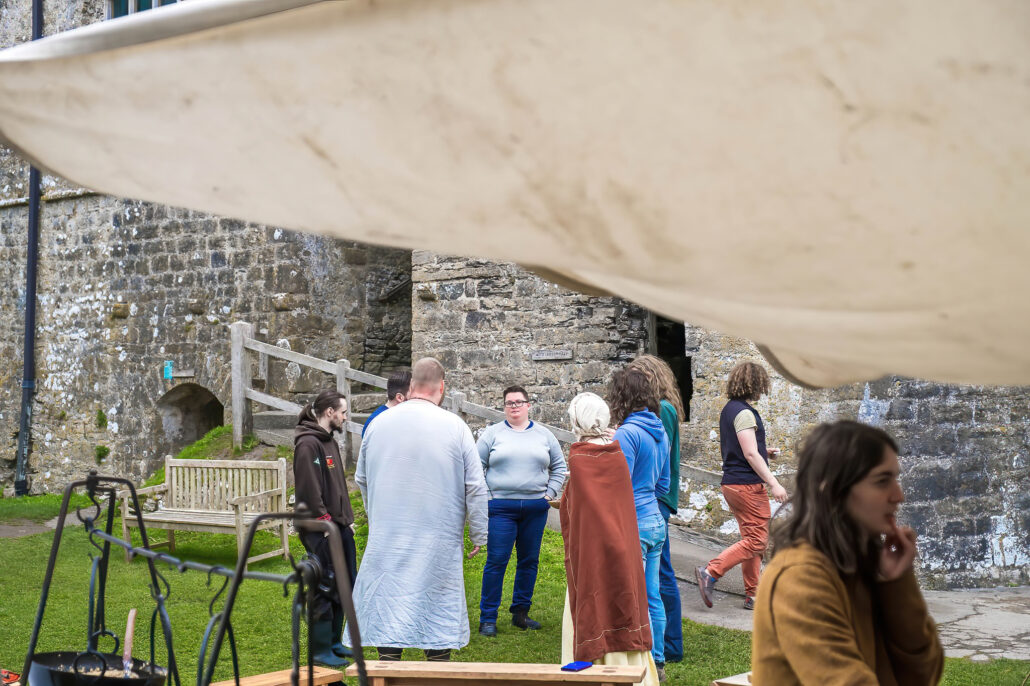
Moreover, medieval reenactment photography plays a pivotal role in community engagement. Reenactments are events that bring people together, often fostering a sense of camaraderie among participants and spectators alike. Photographs from these events help to build and maintain communities of enthusiasts who share a passion for history. They are shared on social media, in publications, and at gatherings, strengthening the bonds within the reenactment community and spreading interest to potential new members.
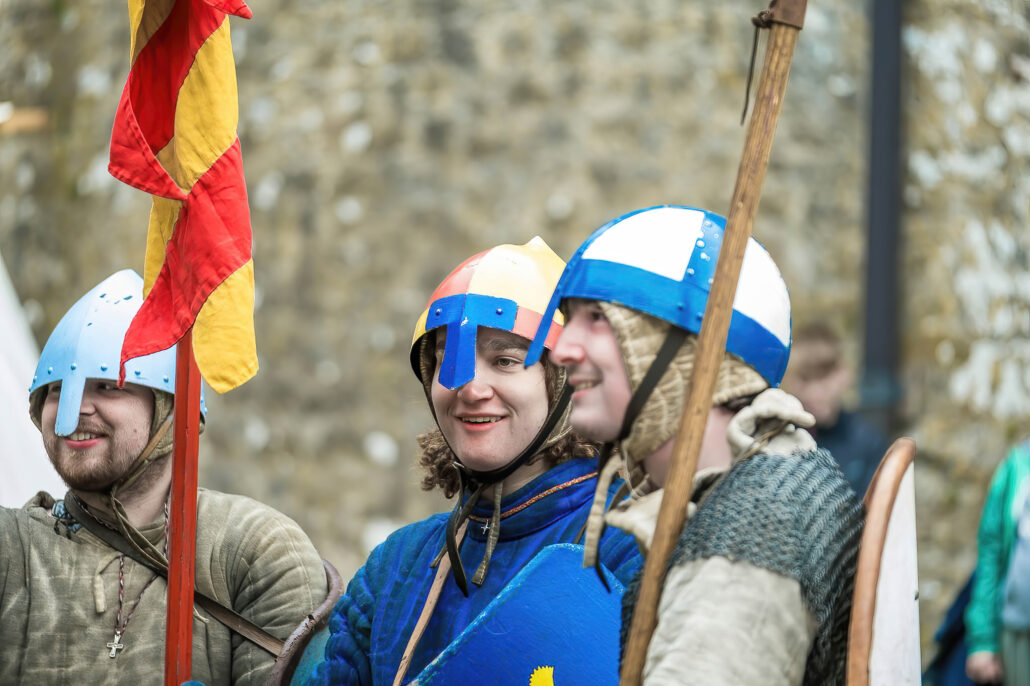
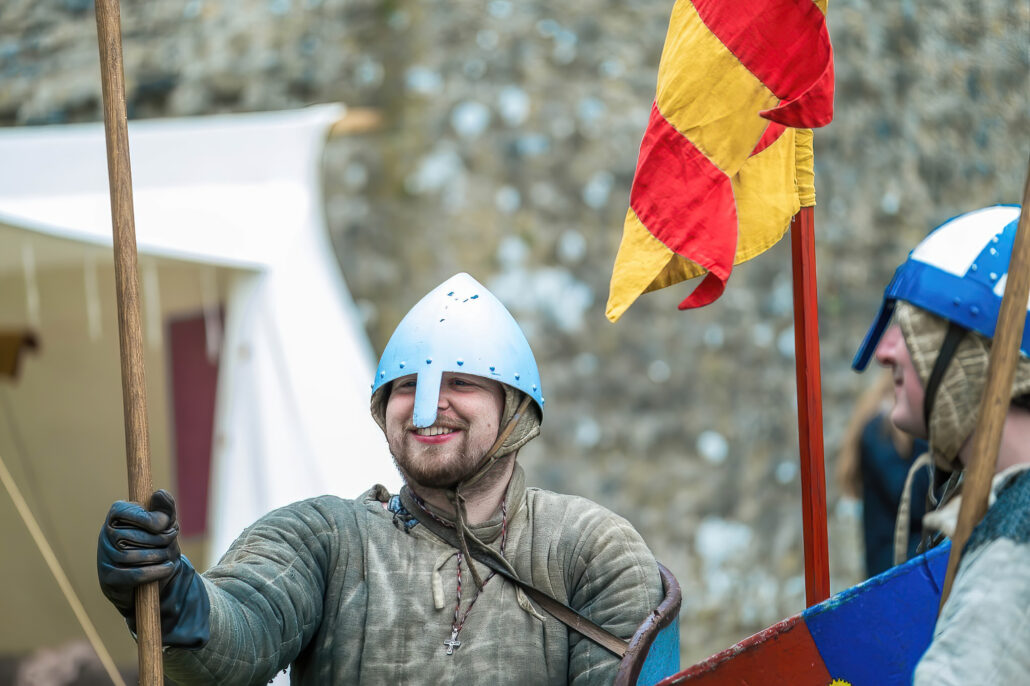
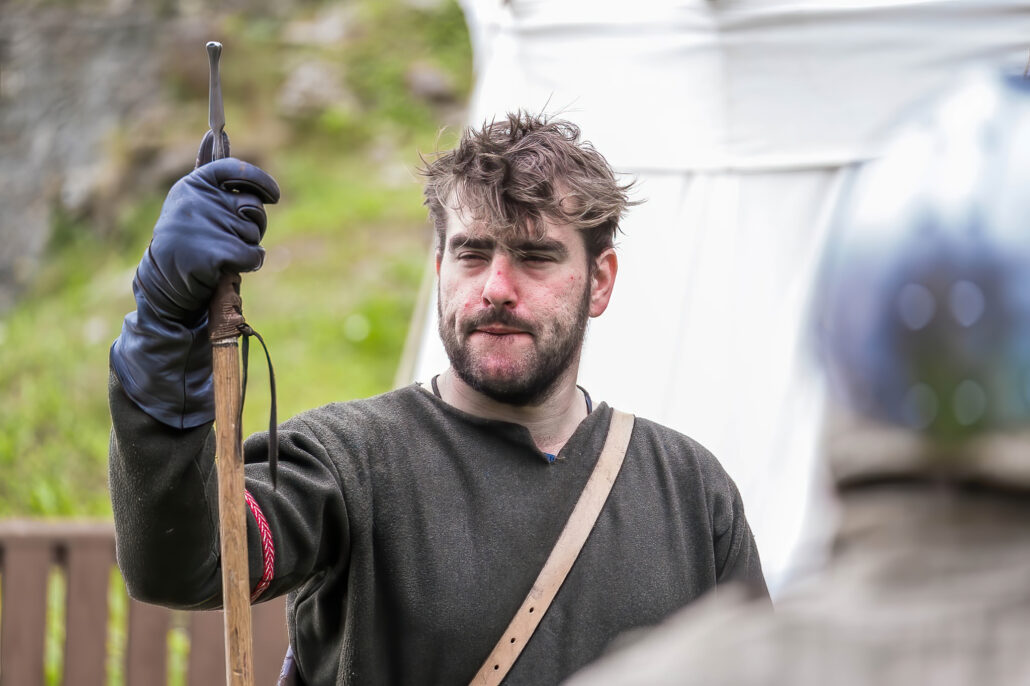
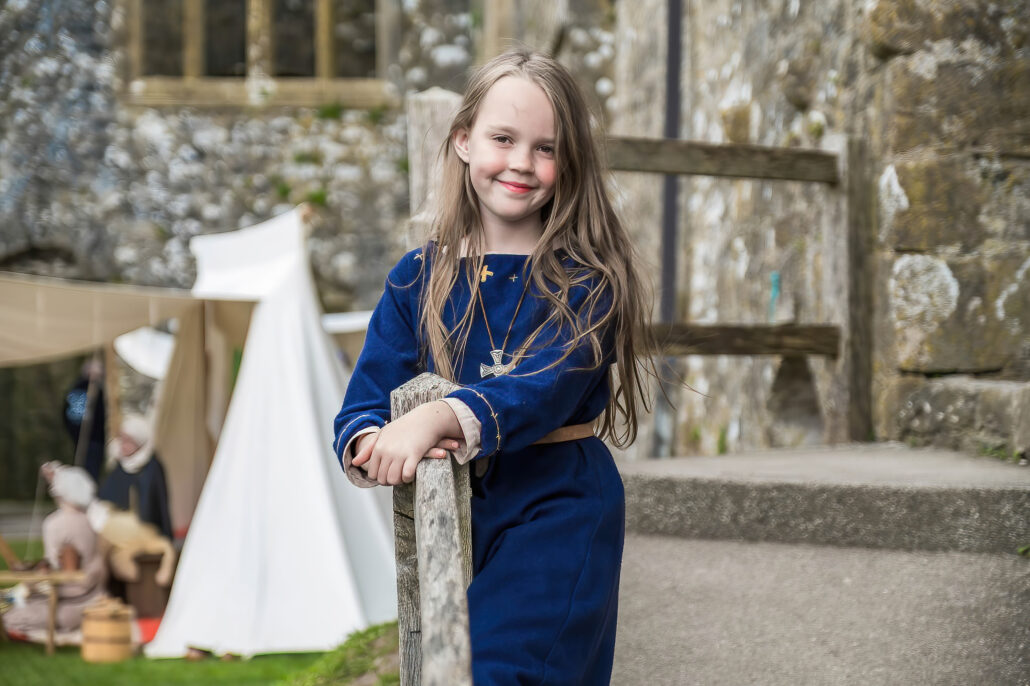
From a participant's perspective, medieval reenactment photography connects to their experiences. It allows reenactors to see themselves as others see them, often providing confidence and a sense of pride in portraying historical figures or their interpretation of medieval life. The photographs become personal keepsakes that reenactors can share with family and friends, showcasing their dedication to historical accuracy and their craft.
In addition to its educational and communal benefits, medieval reenactment photography is crucial for promotional purposes. High-quality images are essential for advertising upcoming events, attracting visitors, and securing funding or sponsorship. They are often the first point of contact between the event and the public and can significantly influence perceptions and interests. Medieval reenactment photography captures the spectacle and drama of reenactments, making it an invaluable marketing tool for organizers.
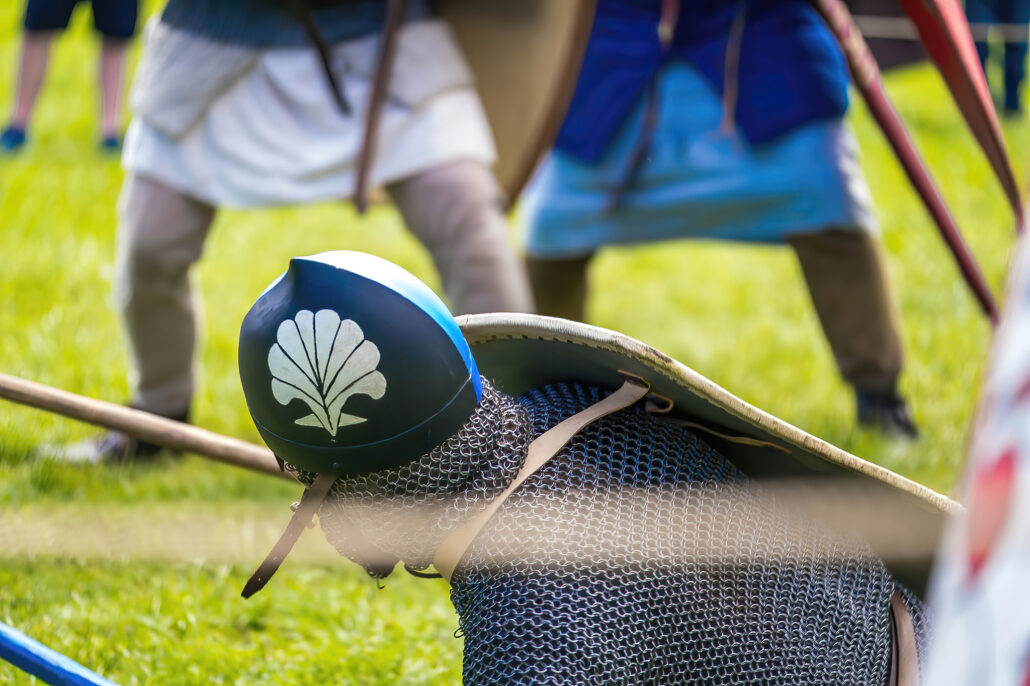
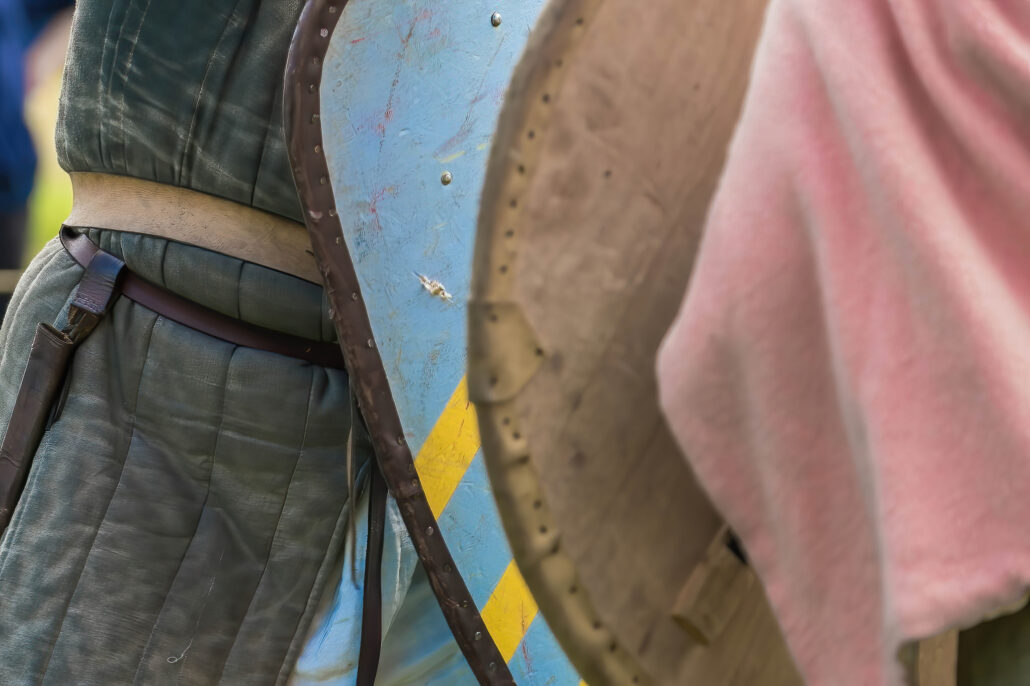
The aesthetic value of medieval reenactment photography cannot be overlooked. The period's vibrant colours, dramatic lighting, and dynamic movement allow photographers to create visually stunning images. These photographs often have an artistic quality that transcends the documentary aspect, appealing to lovers of art and photography and enthusiasts of medieval history.
Furthermore, medieval reenactment photography contributes to the legacy of reenactment groups and events. Over time, these photographs are compiled into extensive archives that chronicle the evolution of reenactment groups, the details of specific events, and the individuals dedicated to this unique form of historical recreation. They record the hard work and commitment of countless individuals who invest time and resources into making these events as accurate and engaging as possible.
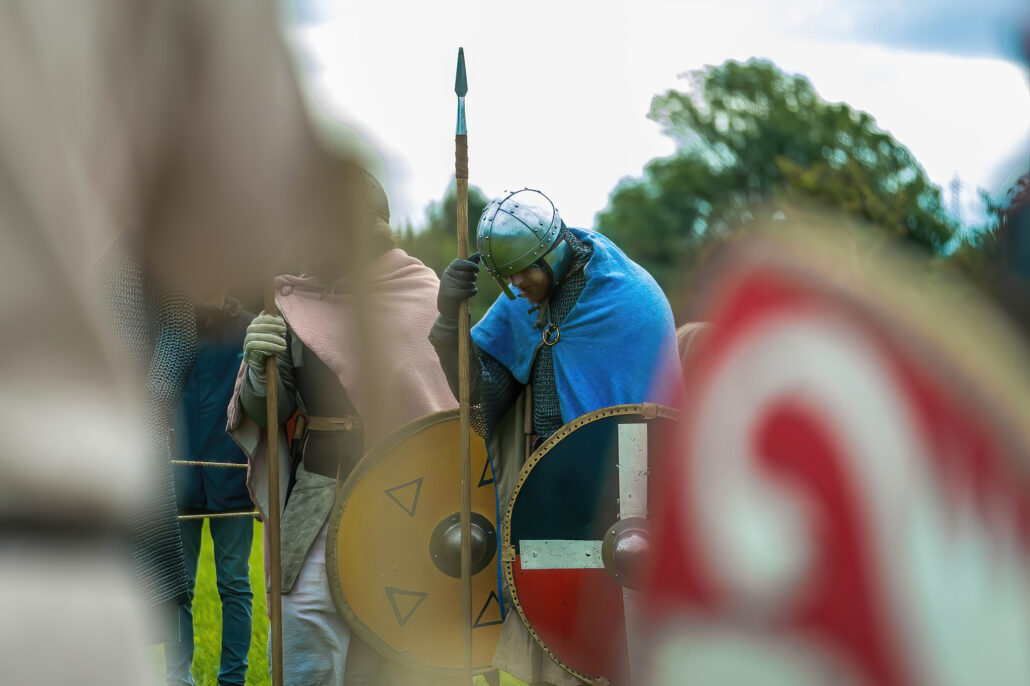
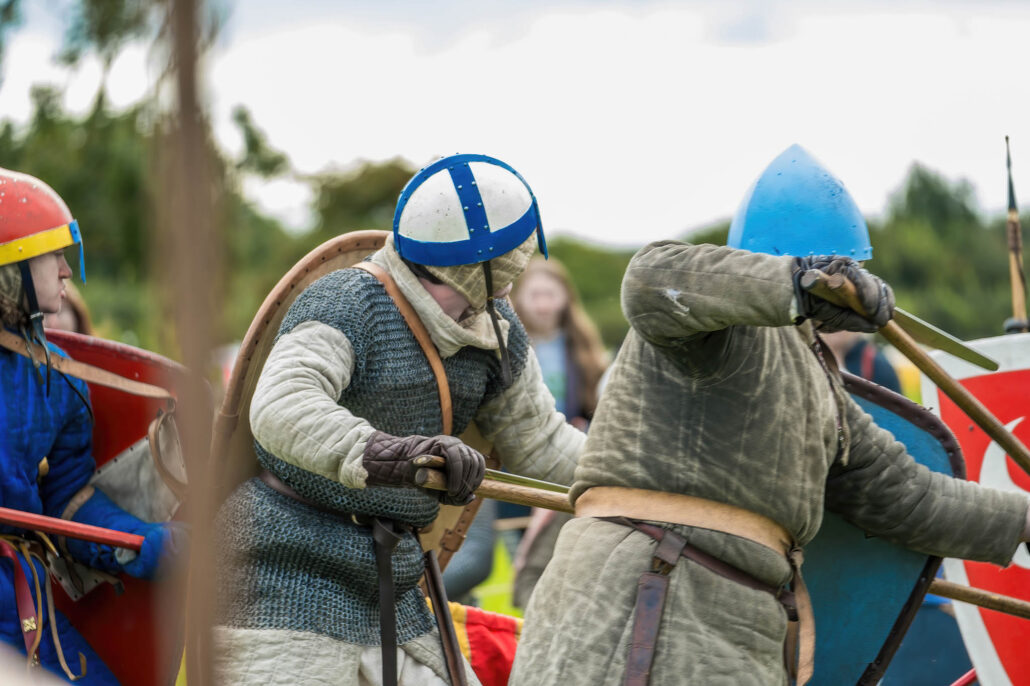
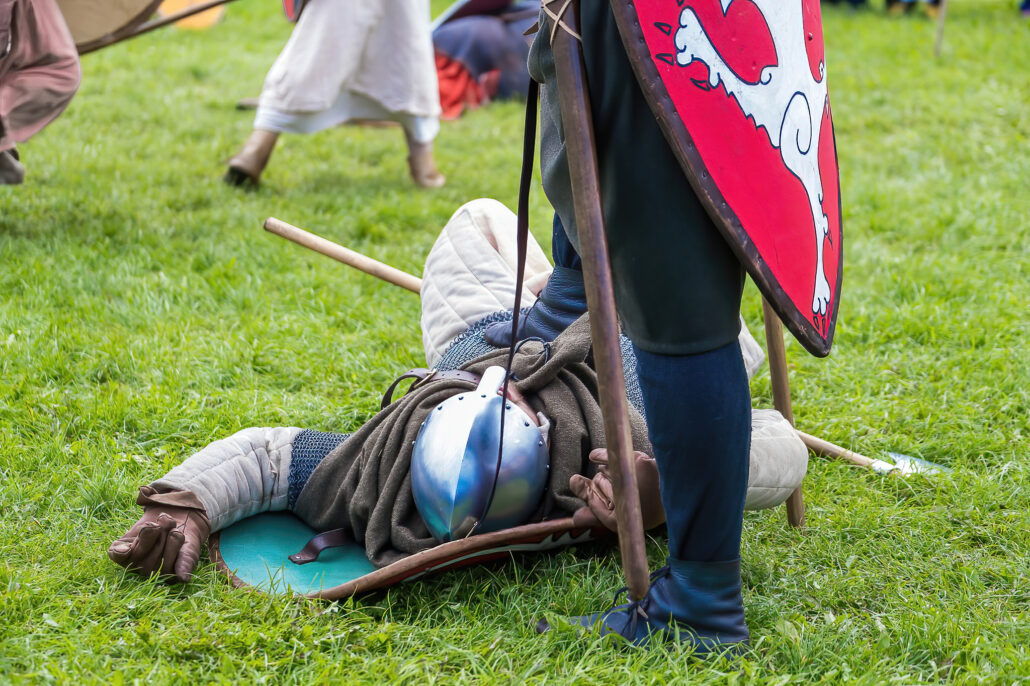
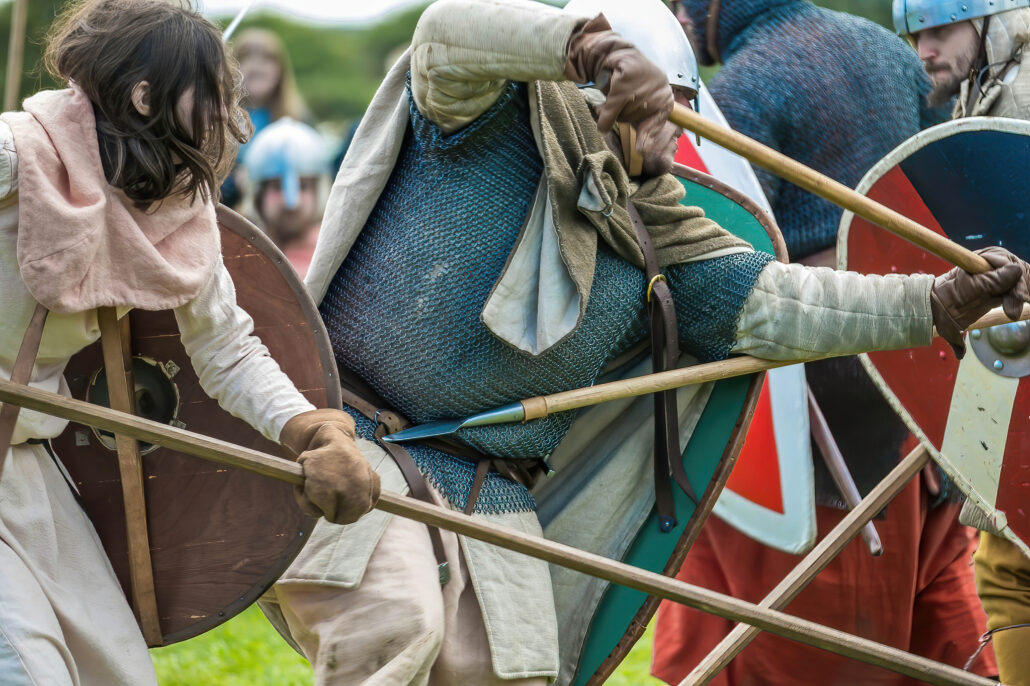
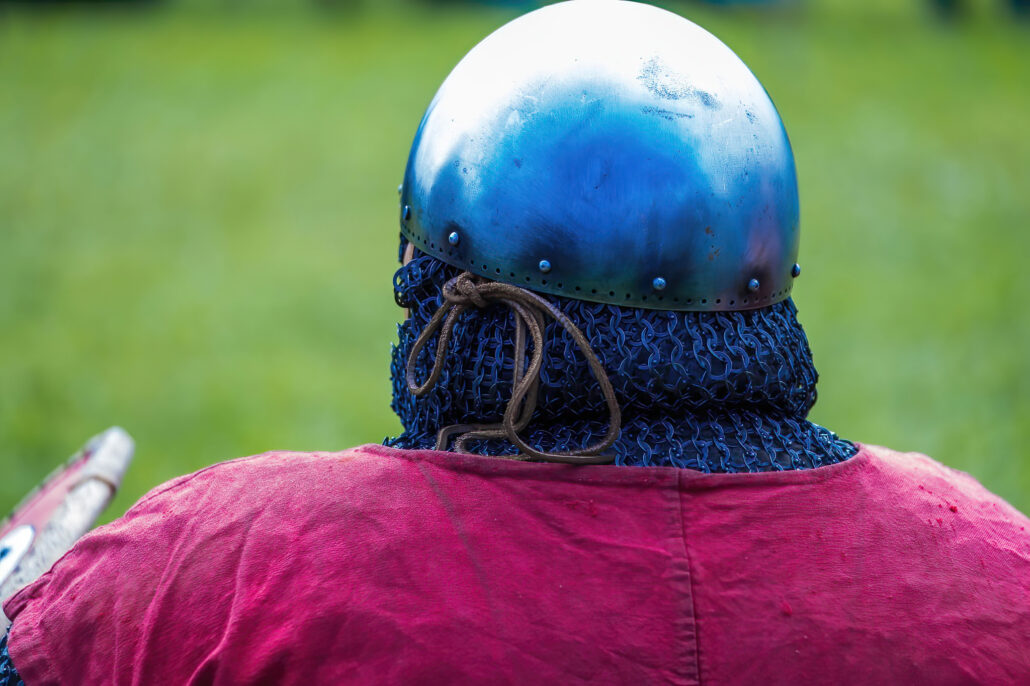
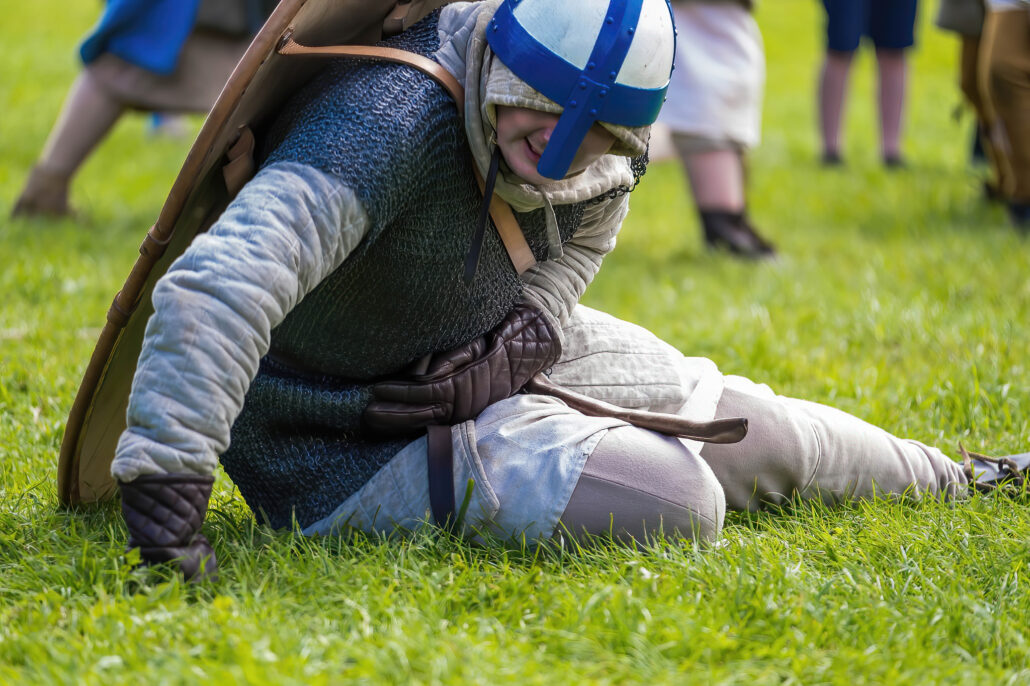
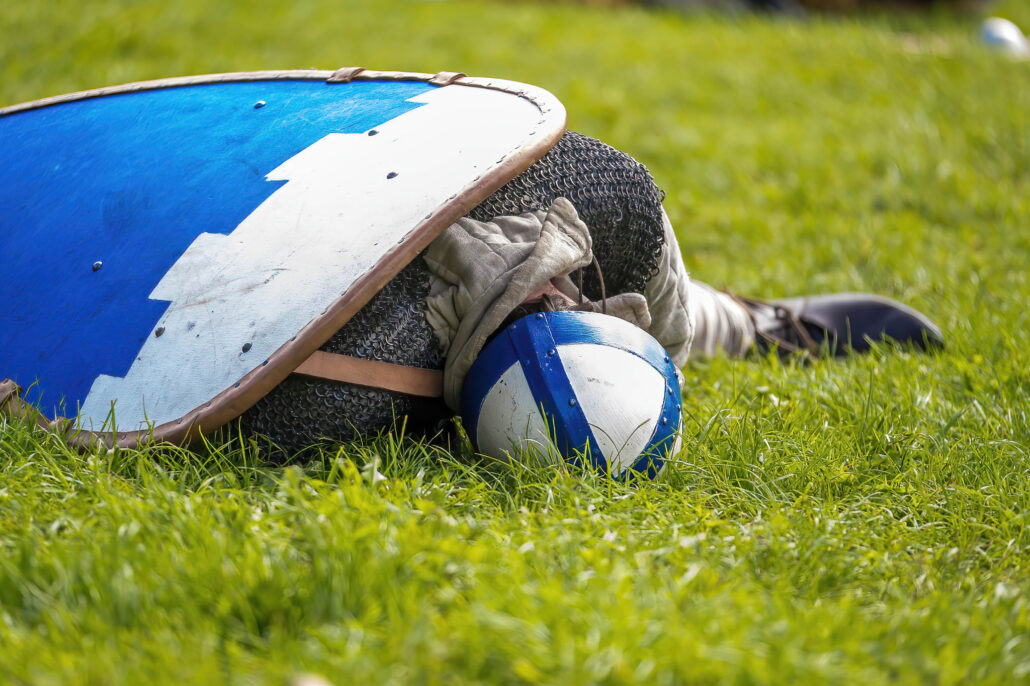
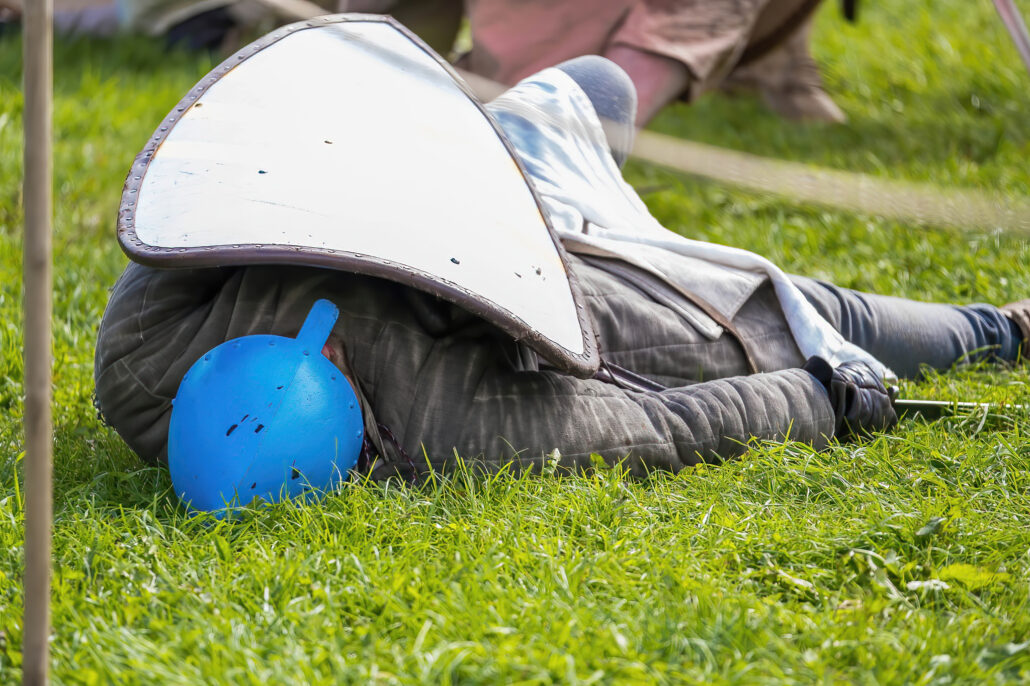
The technical challenges of medieval reenactment photography also underscore its importance. Photographers must often work with unpredictable lighting, weather, and movement, requiring high skill and adaptability. The ability to capture crisp, clear images amid the chaos of battle reenactments or the subtle interactions at a medieval market is a testament to the photographer's expertise. These technical challenges also drive innovation within the field, pushing photographers to improve their techniques and approaches constantly.
In cultural heritage, medieval reenactment photography also serves as a counterpoint to the often dry historical records and academic texts. It adds a human element to our understanding of history, emphasizing that real people lived the past with their own stories and experiences. These photographs can evoke emotions and spark curiosity, prompting viewers to delve deeper into the history behind the images.

Lastly, medieval reenactment photography is essential for the continuity of historical reenactment as a tradition. By documenting the efforts of today's reenactors, photographers ensure that future generations have a model to follow and inspiration to draw upon. They help to establish a standard
of excellence and authenticity that new reenactors can aspire to, ensuring that the tradition of reenactment continues to thrive and evolve.
In conclusion, medieval reenactment photography is much more than a mere hobby or a niche within the field of photography. It is an essential component of the historical reenactment community, offering educational value, community engagement, aesthetic beauty, and a means of preservation. It captures the imagination, educates the mind, and provides a visual feast that can inspire a deeper appreciation for the richness of the medieval period. As such, the importance of medieval reenactment photography in keeping history alive and relevant in our modern world cannot be overstated.















0 Comments